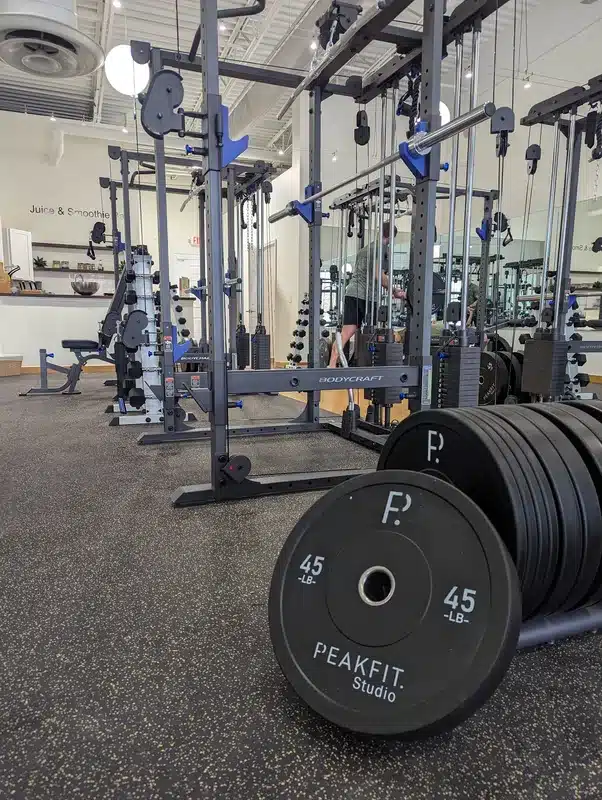
You are 54 years old. You trained hard on Tuesday — squats, rows, a few sled pushes that felt good in the moment. By Wednesday afternoon, your knees ache when you stand up from your desk, your lower back is tight, and the sleep you got last night did not fix any of it. You used to bounce back in a day. Now you carry workouts around with you for the rest of the week, and you have started to wonder whether the problem is the training itself or something else.
It is almost always something else. Most adults over 40 are training reasonably well and recovering very poorly. The infrared sauna and red light therapy stack is one of the most underrated reasons people in this age range start to feel like themselves again — not because it is magic, but because the research behind both modalities is genuinely solid for the things that matter most after 40: circulation, inflammation, joint pain, and sleep.
Here is what these tools actually do, what the science says, what it does not say, and why pairing the two changes how training feels the next morning.
What an infrared sauna actually does
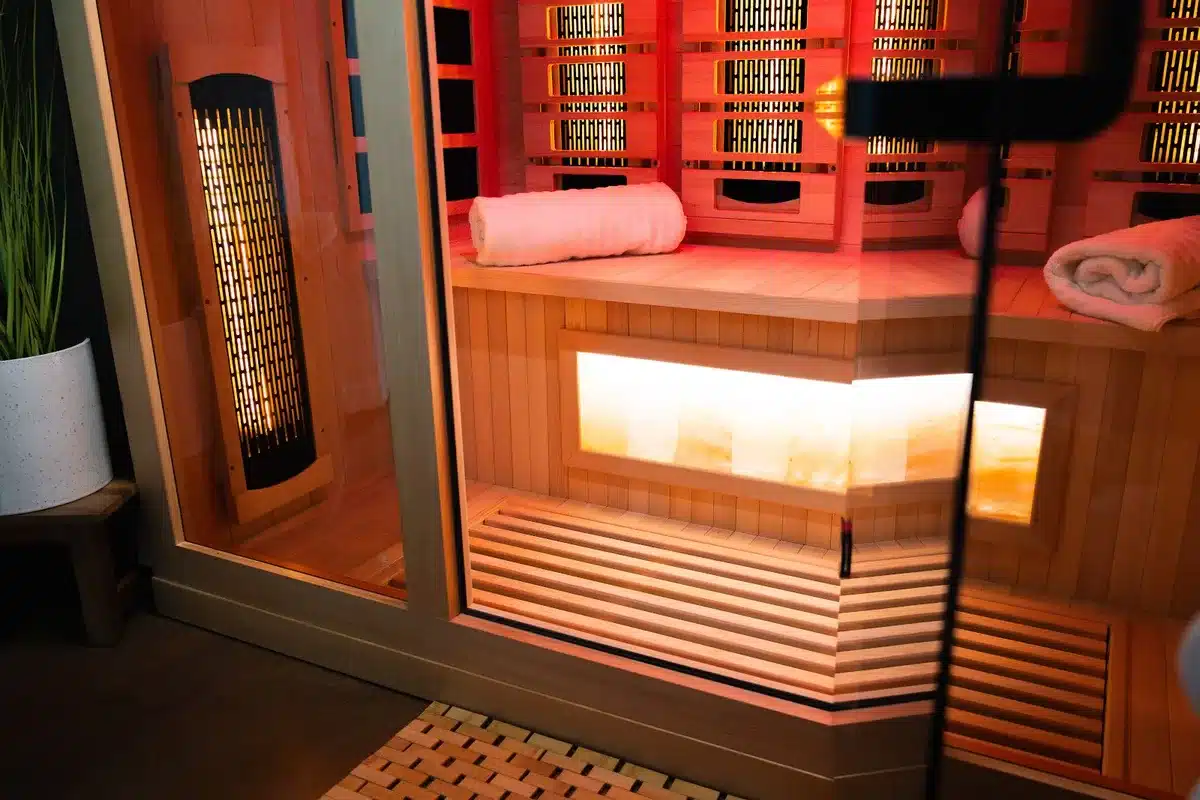
A traditional sauna heats the air around you. An infrared sauna heats your body directly, using infrared wavelengths that penetrate the skin and warm tissue from the inside. You sweat sooner, you sweat more, and your core temperature rises at a lower ambient air temperature — which is the entire point for someone whose lungs and blood pressure do not love sitting in 190-degree air.
The physiological response is closer to moderate exercise than most people realize. Heart rate climbs. Blood vessels dilate. Circulation increases through the muscles, joints, and skin. The body produces heat shock proteins, which are a class of molecules involved in repairing damaged cells and protecting them from future stress. None of that is theoretical. It is measurable, and it has been measured.
What the research actually shows on infrared sauna
The strongest evidence sits in cardiovascular health. A long-running Finnish cohort study followed more than 2,300 men for two decades and found that frequent sauna use (4 to 7 sessions per week) was associated with significantly lower rates of cardiovascular mortality and all-cause mortality, even after controlling for fitness level and other risk factors. Follow-up work has linked regular sauna use to lower blood pressure and improved arterial flexibility.
The recovery and inflammation evidence is good but more preliminary. Several smaller studies have shown that post-exercise infrared sauna use reduces markers of muscle damage and perceived soreness in the 24 to 48 hours after hard training. Studies on chronic pain populations — including rheumatoid arthritis and chronic fatigue patients — have shown meaningful reductions in pain and stiffness with consistent use.
Sleep is the one most members notice first. Heat exposure in the late afternoon or early evening tends to deepen the natural drop in core body temperature that triggers sleep onset. The research here is smaller-scale but consistent: people sleep faster and stay asleep longer on days they sauna.
What the research does not yet show with confidence: that infrared specifically outperforms traditional sauna for any of these outcomes. The mechanisms differ, the experience differs, and infrared is far easier on the lungs and cardiovascular system at the temperatures most adults can actually tolerate — but the long-term outcome studies have mostly been done on traditional Finnish saunas. Treat infrared as a more accessible delivery system for the same physiological effect, not a clinically superior one.
What red light therapy actually does
Red light therapy — sometimes called photobiomodulation — uses specific wavelengths of red and near-infrared light (typically in the 630 to 850 nanometer range) to stimulate activity inside the mitochondria of your cells. The mitochondria are where your cells produce ATP, the molecule that fuels every contraction, every repair process, every nerve signal.
When red light at the right wavelength hits tissue, it interacts with an enzyme called cytochrome c oxidase in the mitochondrial membrane. The result is a measurable increase in ATP production, a reduction in oxidative stress, and a downstream effect on inflammation and tissue repair. You are not warming the skin in any meaningful way. You are giving the cells underneath it more energy and a lower inflammatory load to work with.
What the research shows on red light
Skin and wound healing have the longest and strongest body of evidence — red light therapy has been used in clinical settings for decades to accelerate wound healing and improve skin quality. That research is mature.
Joint pain and muscle recovery is where the evidence has moved fast in the last ten years. Multiple randomized controlled trials have shown red light therapy reduces knee osteoarthritis pain and improves function, particularly in older adults. Studies on post-exercise recovery have shown reductions in muscle soreness, faster strength return, and lower markers of muscle damage when red light is applied before or after resistance training.
The mitochondrial function research is the most exciting and the most preliminary. Lab studies and small human trials suggest red light may improve mitochondrial efficiency in aging tissue, which has implications for energy, cognition, and metabolic health. The mechanism is well understood. The long-term human outcome data is still being built.
What the research does not yet show: that red light replaces the basics. It does not replace sleep, training, or protein intake. It is an amplifier, not a substitute. The studies that show the strongest effects pair red light with consistent exercise and nutrition — not with a sedentary lifestyle.
Why the combination compounds
Here is where it gets interesting. Sauna and red light work through different mechanisms but hit overlapping outcomes.
Infrared sauna drives circulation and heat shock protein production. That is a whole-body cardiovascular and systemic-repair response. Red light therapy drives cellular ATP production and reduces local inflammation at the tissue level. Used together, you are giving the body both the systemic signal to repair and the cellular fuel to actually execute the repair.
The practical effect for someone training in their fifties or sixties: faster reduction in soreness, less joint stiffness the next morning, deeper sleep on training nights, and a measurable shift in how training accumulates over a month. You stop carrying workouts around with you. You start adapting to them instead.
Why this matters more after 40
Recovery capacity drops with age. Inflammatory markers stay elevated longer after the same workload. Sleep gets lighter. Joint cartilage and connective tissue take more time to rebuild after stress. None of this is news to anyone who has crossed 45.
What it means is that training intensity is no longer the limiting variable for most adults — recovery is. A 55-year-old who trains hard 3 times a week and recovers poorly will lose ground. A 55-year-old who trains hard 3 times a week and recovers well will get stronger, leaner, and more capable than they were at 45. The training does not have to change much. The recovery stack does.
That is exactly the gap the sauna and red light combination closes. It is not the only piece — sleep, protein, and post-workout nutrition still do most of the work, and the juice bar piece covers the nutrition side of that. But the recovery stack is what separates training that builds you up from training that wears you down.
How Peakfit integrates both into your training program
At Peakfit, the infrared sauna and red light therapy are part of your training experience, not separate add-ons you have to schedule and pay for on top of your sessions. Members use them as part of their program — typically after a session, sometimes on off days for recovery between training blocks.
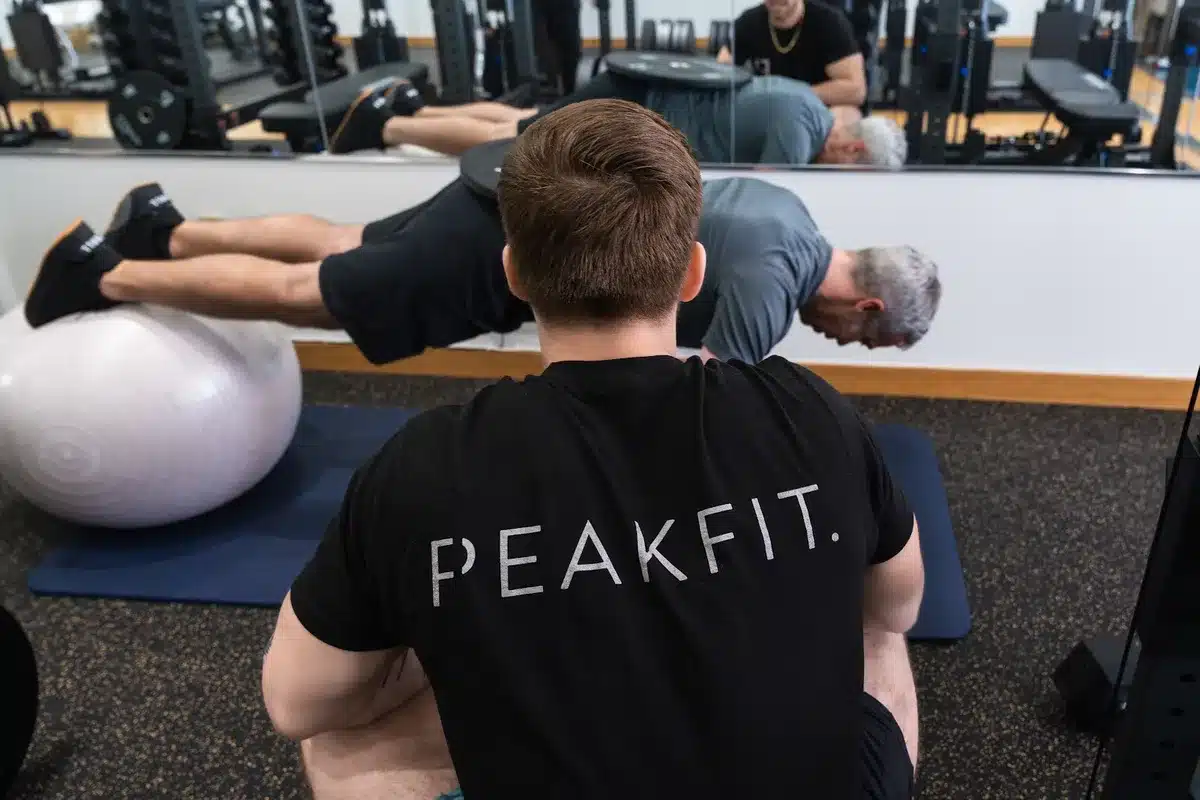
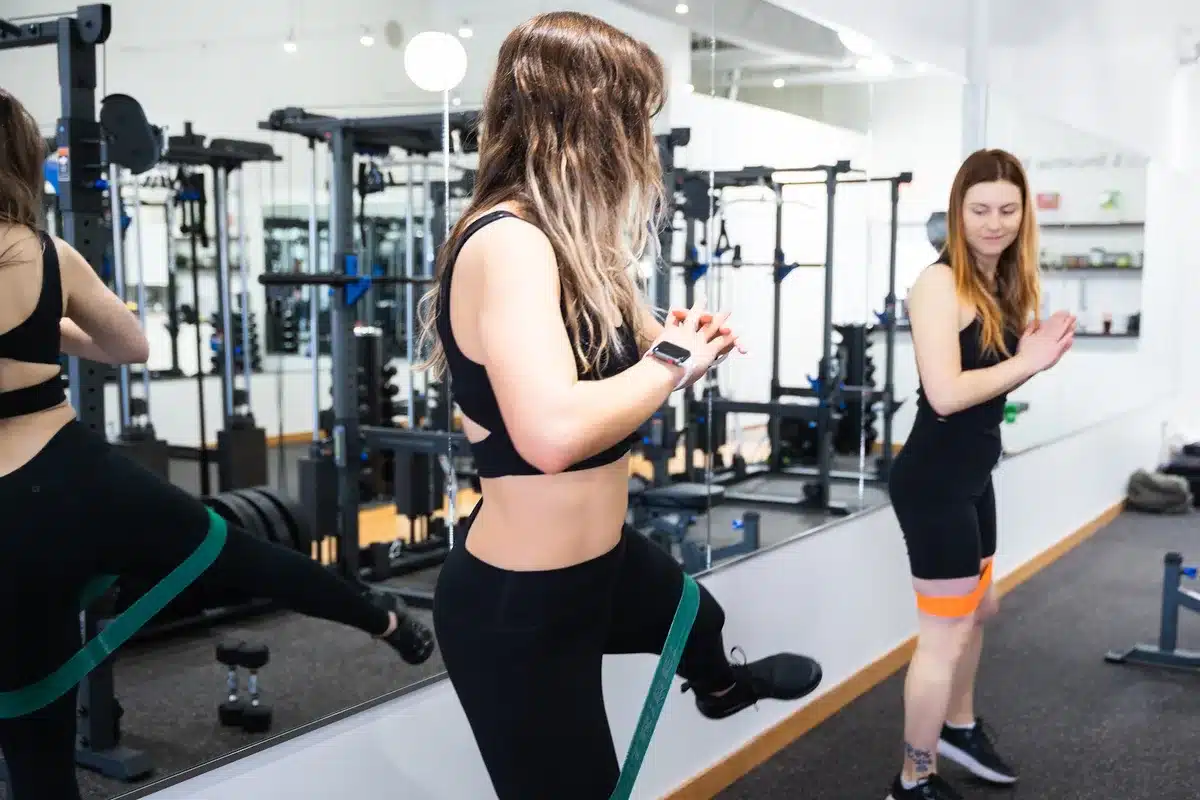
Alex Zierhut, our head trainer, builds the recovery component into how he programs for adults over 40. Franklin and Ariel do the same with the pods they coach. The conversation is never just “how hard can we push you this week” — it is “how hard can we push you this week and recover from it fully before the next session.” That framing changes results.
You can read more about how the full program works on our Asheville Personal Trainer hub, which covers pod-based small group personal training, InBody scans, nutrition counseling, and the recovery stack as the integrated system it actually is.
What to do with this
If you are training hard and feeling worse for it, the problem is not your training. It is what happens in the 23 hours after the session. The infrared sauna and red light recovery stack is one of the most well-supported, lowest-friction tools for closing that gap — and it is built into the membership at Peakfit so you actually use it.
Come see what your first session and a recovery stack on the same visit feels like. We will run an InBody scan, walk you through the studio, do a movement assessment, and let you try the sauna and red light yourself before you commit to anything. No calendar maze, no pressure — just a conversation about whether this is the right fit.
Book your free consultation here and tell us what you have been training for and what has been wearing you down. We will take it from there.