

Key Takeaways
Low impact strength training for joint health over 50 in Asheville does not mean easy or ineffective. A certified trainer can design resistance programs that protect knees, hips, and shoulders while building real functional strength. Recovery tools like infrared sauna and Theragun sessions support tissue repair between workouts, making the whole routine sustainable for the long term.
- Low-impact does not mean low-results. Resistance training protects joints while building the muscle mass adults over 50 need to stay mobile and independent.
- A certified trainer selects movements and loads based on your joint history, not a generic template from a machine placard.
- InBody body composition scanning gives trainers objective data on muscle distribution, so programming targets real structural weaknesses rather than guesses.
- Infrared sauna and Theragun recovery sessions reduce inflammation and muscle soreness, making consistent training more accessible for people with joint sensitivity.
- Adults in the Asheville area who want a guided, joint-safe approach can start with a free consultation to build a program around their specific body and goals.
Why Joint Health Becomes the Priority After 50
Low impact strength training for joint health over 50 in Asheville addresses a genuine physiological shift: after age 50, cartilage thins, synovial fluid decreases, and recovery from high-impact activity slows measurably. That does not mean stopping exercise. It means choosing exercise more deliberately.
According to the American College of Sports Medicine, adults over 50 who engage in regular resistance training show slower rates of muscle loss, better joint stability, and lower rates of fall-related injury compared to sedentary peers. The muscle surrounding a joint acts as a shock absorber. When that muscle is weak, the joint absorbs forces it was never designed to handle alone. For more information on aging and physical activity, see the National Institutes of Health.
“Cartilage has no direct blood supply, so it depends on movement and loading to stay healthy,” explains Dr. Jordan Metzl, sports medicine physician and author of The Exercise Cure. “The right kind of loading, done consistently, is one of the best things aging adults can do for their joints.”
The challenge is finding the right kind of loading. Walking on a treadmill at a flat grade is gentle but builds little protective muscle. High-intensity interval training may spike cortisol and stress vulnerable joints. The productive middle ground is structured, progressive resistance training with movements chosen specifically for your joint history. Understanding the difference between functional fitness versus aesthetic training helps clarify why movement quality and joint protection matter more than appearance-based goals after 50.
How a Certified Trainer Designs a Joint-Safe Resistance Program
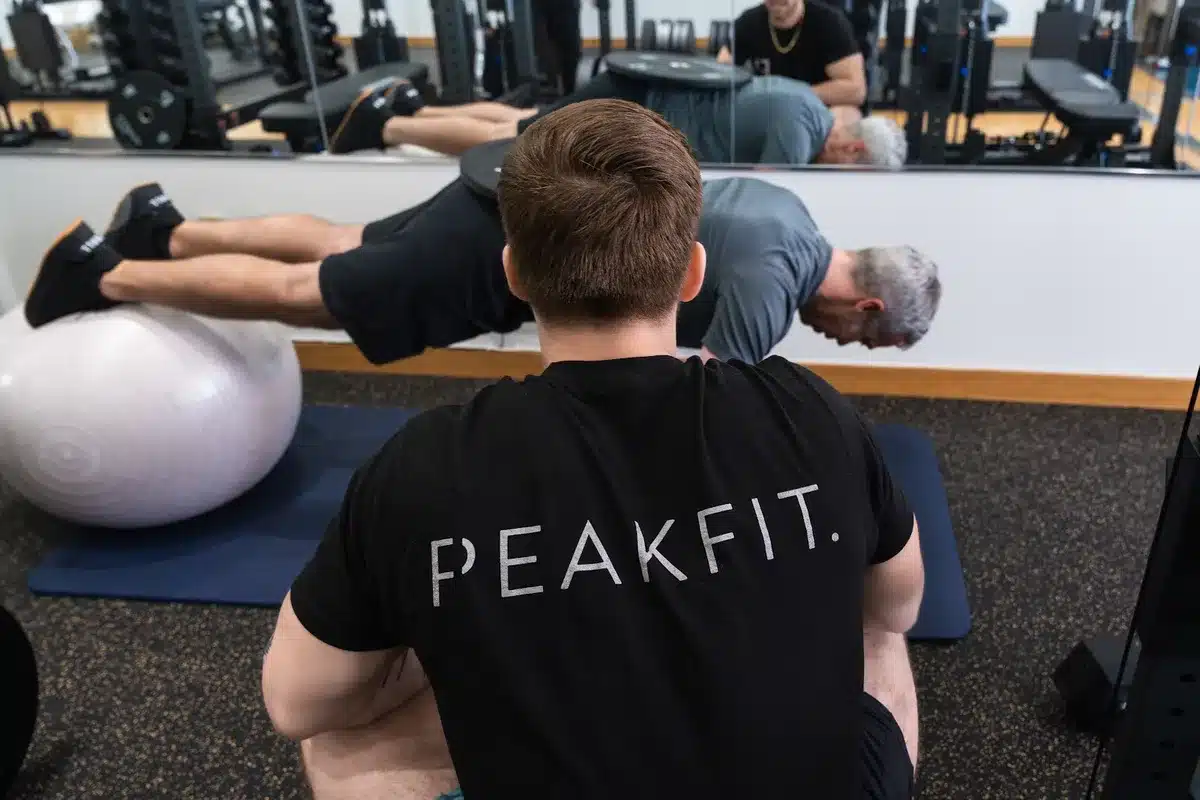
A qualified trainer does not simply swap machines for lighter weights. Designing a joint-protective program requires understanding which movement patterns compress versus decompress specific joints, which rep ranges build muscle without accumulating excessive fatigue, and how to sequence exercises so early movements in a session do not compromise joint stability for later ones.
At Peak Fit Studio in Arden, trainers assess each client’s mobility baseline before any loading begins. That assessment identifies asymmetries, range of motion restrictions, and movement compensations that would otherwise turn a well-intentioned exercise into an injury waiting to happen.
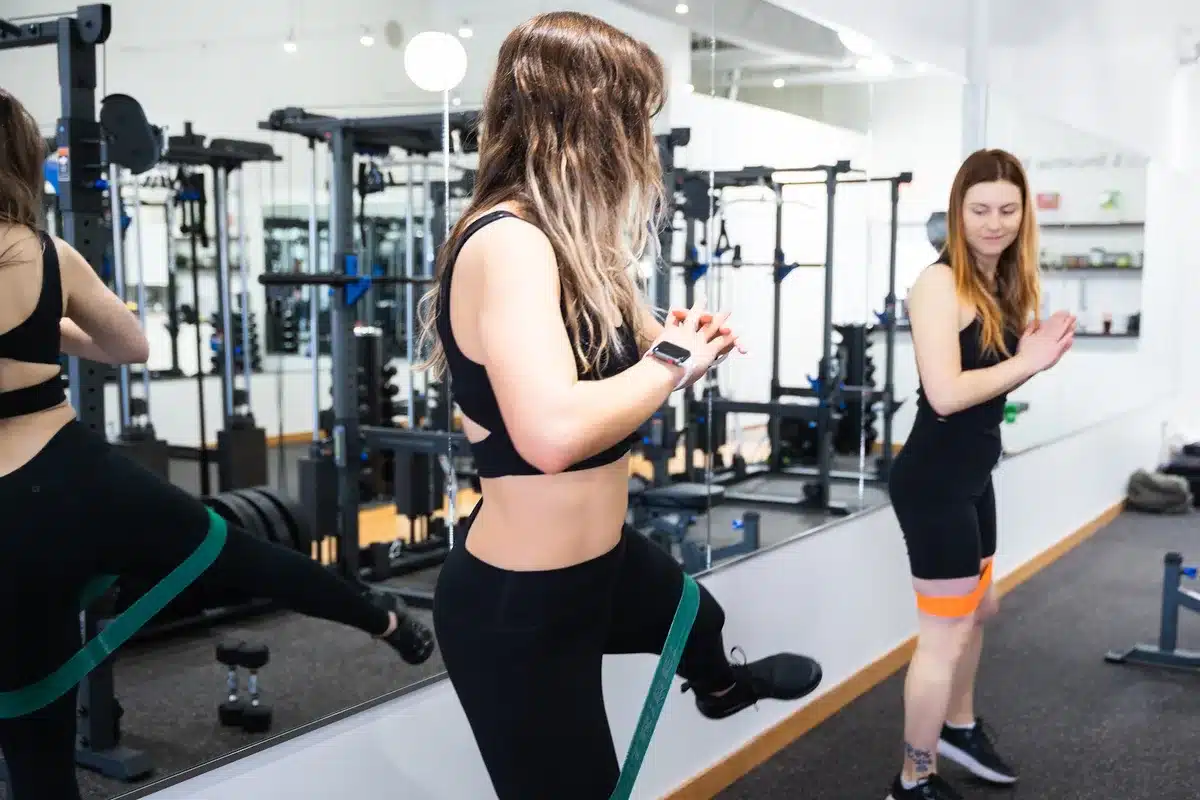
For the knee, this often means replacing loaded knee extension machines with controlled goblet squats or step-ups that keep the joint in a neutral tracking position. For the hip, it means prioritizing glute activation before any compound lower body work, because a weak glute forces the hip flexors and IT band to compensate. For the shoulder, it means balancing pressing movements with pulling movements at a ratio that most gym-goers never apply on their own. Working with a certified personal trainer rather than gym floor staff makes a measurable difference in whether these details are applied correctly from the start.
“Most joint pain in adults over 50 is not arthritis progressing,” notes physical therapist and strength coach Charlie Weingroff. “It’s an imbalance between the muscles that stabilize a joint and the muscles that move it. Corrective resistance training addresses that imbalance directly.”
A trainer also controls load progression carefully, because too much too soon is the most common reason adults with joint sensitivity abandon strength programs. Progress is real, but it is measured in weeks and months, not days.
The Role of InBody Scanning in Building a Smarter Program
InBody body composition scanning gives trainers data that a visual assessment or a simple scale cannot provide. The scan measures segmental muscle mass by limb, body fat percentage, and visceral fat levels. For adults over 50 with joint concerns, the segmental muscle data is particularly useful.
If a scan reveals that the right leg carries significantly less muscle than the left, that asymmetry explains a great deal about why one knee aches and the other does not. A trainer can then prioritize single-leg work on the weaker side until balance is restored, rather than applying the same bilateral program to both legs and hoping for the best.
Understanding what an InBody scan actually tells you helps adults over 50 see their training program as a data-driven process rather than guesswork. InBody data makes that functional goal measurable and trackable over time.
Scans are typically repeated every four to eight weeks so the trainer and client can see whether the program is producing the intended muscle gains in the right locations. That feedback loop keeps programming honest and adjustments timely.
Recovery as Part of the Program, Not an Afterthought
Strength training creates micro-damage in muscle tissue. That damage is the stimulus for growth and strengthening. But repair requires adequate recovery, and adults over 50 generally need more recovery time per session than younger adults. Skipping recovery support is one reason many older adults feel chronically sore or quit programs that were otherwise well designed.
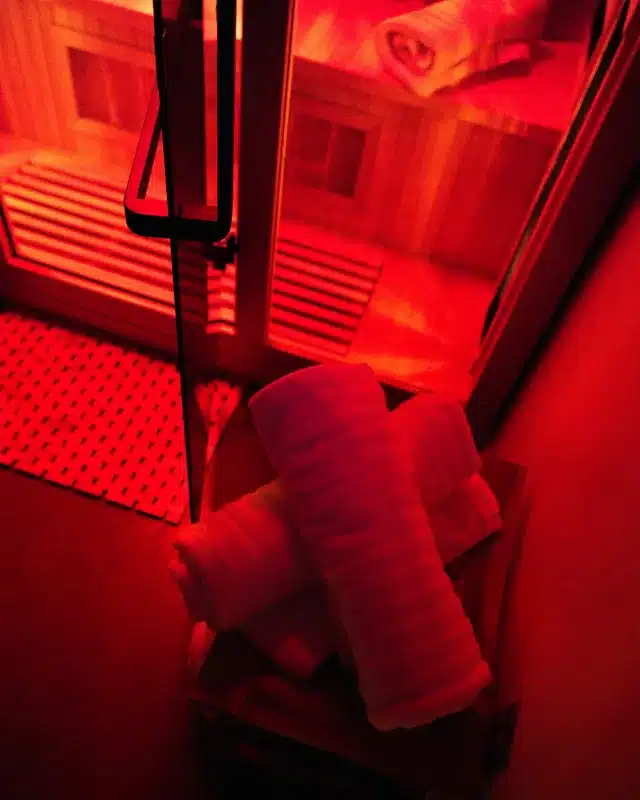
Infrared sauna sessions raise core temperature in a way that increases circulation to muscle and connective tissue without the cardiovascular stress of vigorous exercise. Research published in the Journal of Human Kinetics found that post-exercise infrared sauna use was associated with reduced delayed onset muscle soreness and faster return to full training effort. For evidence-based guidance on recovery modalities, see the National Institutes of Health. The science behind infrared sauna and red light recovery stacking supports using these tools as a structured part of any joint-sensitive training plan.
Theragun percussive therapy targets specific muscle groups with rapid, controlled pressure that breaks up adhesions, increases local blood flow, and signals the nervous system to reduce protective muscle guarding around sensitive joints. Used after a training session, it can meaningfully reduce the stiffness that many adults over 50 experience the morning after a workout.
For people dealing with knee, hip, or shoulder sensitivity, combining structured resistance training with intentional recovery sessions is not a luxury. It is what makes the program repeatable week after week. Building grip and core strength for older adults follows the same logic: targeted, consistent work supported by real recovery produces results that sporadic effort cannot match.
What Makes Asheville Area Training Different for This Population
Adults in Asheville, Arden, and South Asheville face terrain that makes joint health especially relevant. Western North Carolina’s hills and uneven surfaces place real demands on hips and knees. A person who wants to walk the Blue Ridge Parkway trails or spend time gardening in this region needs functional lower body strength, not just cardiovascular endurance. Exercises designed specifically for yardwork and gardening without the aches reflect exactly the kind of practical, terrain-aware training that Asheville-area adults benefit from most.
Local adults also tend to value evidence-based approaches over fitness trends. The population here skews toward people who want to understand why a program works, not just be told what to do. For information on aging and exercise science, see Exercise Physiology on Wikipedia. That matches well with the one-on-one training model, where a trainer can explain the reasoning behind each exercise choice and adjust the program in real time based on how a client’s body responds.
For those interested in training alongside a spouse or partner while still getting individualized attention, training with your spouse in semi-private personal training offers a structure that keeps accountability high without sacrificing program specificity. And fo



Functional Fitness vs Aesthetic Training: What Adults 40+ Need
Key Takeaways Functional fitness trains your body to move well and feel strong in daily life, while aesthetic training focuses
Grip and Core Strength for Older Adults: What Really Works
Key Takeaways Grip and core strength for older adults are two of the most reliable physical markers of long-term health
Functional Strength Training Asheville Adults Trust After 40
Key Takeaways Functional strength training focuses on movements that carry over directly into daily life, making it especially valuable for