

Key Takeaways
Semi private personal training can work well for couples, but it requires honest conversations about pacing, goals, and ego. Couples who train together often report stronger accountability and shared motivation. The format works best when both partners have similar fitness baselines or when a trainer actively programs around their differences.
- Pacing differences between partners are common and manageable with skilled programming.
- Shared sessions build accountability that individual training often lacks.
- Competitive dynamics can help or hurt, depending on the couple.
- Some fitness gaps are better addressed in one-on-one sessions first.
- A free consultation helps clarify whether the format fits both partners’ goals.
Why Couples Are Choosing to Train Together
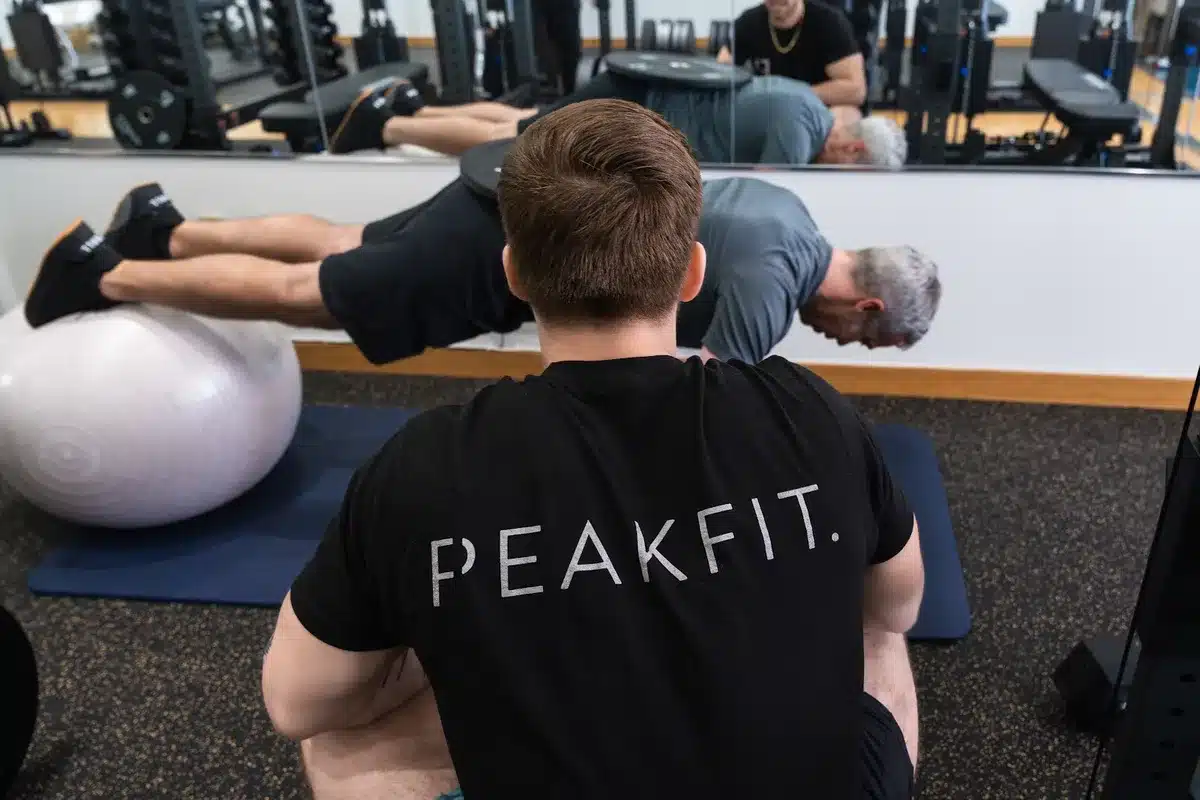
Semi private personal training with a spouse gives couples a shared health goal, a built-in accountability partner, and a reason to prioritize fitness at the same time each week. Research published in the Journal of Social Sciences suggests that exercising with a partner increases workout consistency compared to exercising alone. Couples who train together carve out intentional time for a shared activity that benefits both people physically and, for many, relationally.
Peak Fit Studio works with couples across Arden, South Asheville, and surrounding WNC communities who want to build strength, improve mobility, and stay active into their 50s, 60s, and 70s. The semi private format, typically two to four people per session, fits couples naturally because the trainer can address each person individually while keeping the session structured around shared time. Adults who want to understand how small group personal training works before committing will find the format straightforward once they see it in action.
Dr. Michelle Segar, a behavioral scientist at the University of Michigan, notes: “When people connect exercise to relationships and daily quality of life rather than appearance, they sustain it far longer.” Couples training together are often doing exactly that.
The Real Challenge: Pacing and Fitness Gaps
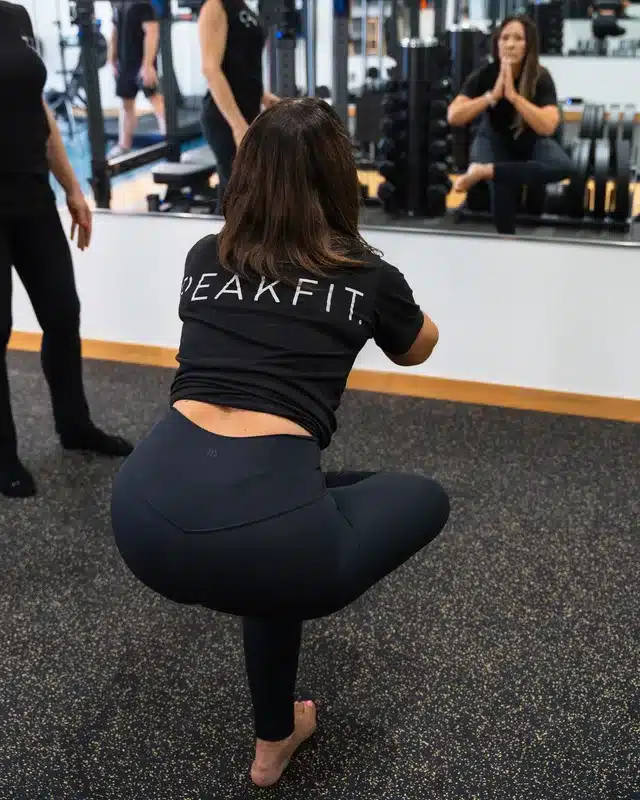
One partner is often stronger, faster to recover, or further along in their fitness history. This gap does not make couples training impossible, but it does require a trainer who programs each person’s load, rest, and progression separately within the same session.
When the Gap Is Manageable
Most couples have some difference in strength or endurance. A well-structured semi private session accounts for this by assigning different weights, rep ranges, or movement variations to each person. Both partners can work through a functional movement pattern like a squat or hinge at different loads and still train side by side. This approach respects individual physiology without making either person feel held back or outpaced.
When the Gap Becomes a Problem
If one partner is recovering from surgery, managing a significant injury, or starting from a very low fitness baseline, the gap may be wide enough that both people benefit more from individual sessions at first. Trying to keep pace with a more conditioned partner, or constantly slowing down for one that is not ready, creates frustration on both sides. A trainer can assess this honestly during a consultation. Resources from the National Institutes of Health provide evidence-based guidance on safe exercise progression during recovery periods.
“I always tell couples to resist the urge to compare reps or weights in the room,” says strength coach and physical therapist Dr. Sue Falsone. “The person next to you has a completely different training history, even if you’ve lived in the same house for 30 years.”
Motivation Benefits and the Accountability Edge
Shared sessions create a social contract that is hard to break. When one partner wants to skip a workout, the other is already in the car. This accountability effect is one of the strongest arguments for couples training together, and it tends to show up most clearly in the first 90 days when habits are still forming.
Couples also often report that training together gives them something specific to talk about outside the gym. Progress feels shared. Small wins, like lifting heavier or moving more freely, become part of a conversation that connects both people to the same goal. Understanding why group training drives results that solo training can’t helps explain why the shared environment matters beyond just convenience.
That said, motivation dynamics vary. Some couples do well with a mild competitive edge in the room. Others find it creates tension, particularly if one partner processes struggle privately and the other prefers encouragement out loud. Knowing which dynamic fits your relationship before the first session saves friction later.
Adults over 50 often find the accountability piece especially valuable. The Centers for Disease Control and Prevention emphasizes that consistent physical activity is among the most impactful health interventions for adults in midlife and beyond. Resources like training for women over 50 and training for men over 50 both point to consistency as the single biggest predictor of results at this stage of life. Training alongside a spouse directly supports that consistency.
When One-on-One Training Is the Better Starting Point
Semi private training is not the right fit for every couple at every stage. Several situations call for individual sessions first.
Post-Surgery or Injury Recovery
A partner coming back from a knee replacement, hip surgery, or significant back injury needs focused, session-by-session programming that adjusts based on daily feedback. Sharing a session during that window can shortchange the recovery process. The Occupational Safety and Health Administration provides workplace ergonomics guidance that often applies to recovery programming and movement mechanics. Moving safely through basics, like learning how to get up off the floor, sometimes requires undivided attention from a trainer.
Significant Confidence Gaps
If one partner has never set foot in a gym and the other has trained for years, beginning together in the same session can make the newer partner feel self-conscious even in a supportive environment. A few individual sessions to build baseline confidence and movement literacy often make the transition to shared training much smoother. Anyone uncertain about readiness can find reassurance in an honest look at whether they’re too out of shape for a small group class.
Knowing what to look for in a personal trainer matters here too. A trainer who reads individual emotional readiness, not just physical capacity, makes couples training work better for both people.
“The goal in any shared training environment is that both people leave feeling capable, not just the stronger one,” says certified strength and conditioning specialist Dr. Layne Norton. “That takes real programming skill and attention to the individual within the group.”
Frequently Asked Questions
Can couples with very different fitness levels train together in semi private sessions?
Yes, in most cases. A qualified trainer programs each person’s weights, rest periods, and movement variations separately within the same session. The key is that both partners are working toward their own targets, not the same load or pace. Significant medical conditions or post-surgical recovery may require individual sessions first before joining a shared format.
What happens if one partner progresses faster than the other?
Progress at different rates is normal and expected. A trainer tracks each person’s metrics independently and adjusts programming accordingly. One partner moving faster does not mean the other is failing. Framing progress around personal improvement rather than comparison keeps both people engaged and reduces frustration over time. Tools like an InBody scan can help each partner track their own body composition changes independently, removing the temptation to compare results directly.
Is semi private training cheaper than individual sessions for couples?
Semi private sessions typically cost less per person than one-on-one training because the trainer’s time is shared across a small group. For two people training together, the format often represents meaningful savings compared to booking two separate individual sessions each week. Specific pricing varies, so a consultation is the best place to get accurate numbers.
Will a trainer pay enough attention to both of us in the same session?
In a well-run semi private format with two to four participants, a trainer moves between clients actively, cueing form, adjusting load, and monitoring recovery. The smaller group size is what separates semi private from a group fitness class. Both partners should expect direct coaching contact throughout the session, not just a shared workout template.

Functional Strength Training Asheville Adults Trust After 40
Key Takeaways Functional strength training focuses on movements that carry over directly into daily life, making it especially valuable for
Best Personal Trainers for Women Over 50 in Asheville
Key Takeaways Women over 50 searching for a personal trainer in Asheville need more than a generic workout plan. The
Personal Training for Men Over 50: Strength and Testosterone Goals
Key Takeaways Men over 50 can build meaningful strength and support healthy testosterone levels through well-designed personal training. The key