

Key Takeaways
Skip the crowded gyms and cookie-cutter programs. Effective workout classes for adults over 40 focus on proper form, injury prevention, and building sustainable strength that supports your daily life and long-term health goals.
- Small group training provides personalized attention without the intimidation of big box gyms
- Age-appropriate programming prevents injury while building functional strength
- Expert coaching ensures proper form and progressive overload for real results
- Consistent scheduling makes fitness a sustainable part of your routine
- Community support keeps you motivated and accountable
Why Traditional Gym Classes Fall Short After 40
Walking into a typical gym can feel overwhelming when you’re past 40. The loud music, crowded spaces, and one-size-fits-all approach don’t address the specific needs of mature adults. Your body requires different considerations than someone in their twenties. Joint health, recovery time, and hormonal changes all play crucial roles in how you should approach fitness.
Most commercial gym classes push intensity over intelligence. They focus on burning calories rather than building the functional strength and mobility that keeps you independent and pain-free as you age. Exercise for anxiety and depression over 40 becomes particularly important when you consider the mental health benefits of appropriate training.

The Science Behind Effective Training After 40
Research consistently shows that adults over 40 need progressive resistance training to combat age-related muscle loss. According to the National Institute on Aging, adults lose 3-8% of their muscle mass per decade after age 30, with the rate accelerating after 40. This isn’t just about appearance – it directly affects your metabolism, bone density, and ability to perform daily activities. Understanding what changes with strength training over 40 helps you approach fitness strategically.
Effective workout programming at this stage focuses on compound movements that train multiple muscle groups simultaneously. These exercises mirror real-world activities like lifting groceries, climbing stairs, or getting up from a chair. The Centers for Disease Control recommends strength training at least twice per week, with emphasis on proper form over heavy weights.
Hormonal Considerations
Hormonal changes after 40 significantly impact how your body responds to exercise. For men, declining testosterone affects muscle building and recovery. Testosterone and exercise for men over 40 explores how strategic training can naturally support healthy hormone levels. Women face their own challenges with strength training during menopause affecting everything from energy levels to bone density.
What Makes Small Group Training Superior
Small group training bridges the gap between expensive personal training and ineffective large classes. With 3-6 participants maximum, instructors can provide individual attention while maintaining an encouraging group dynamic. This format allows for exercise modifications based on each person’s limitations or injuries.
The coaching quality makes all the difference. Certified trainers with experience working with mature adults understand how to progress exercises safely. They recognize the difference between good pain (muscle fatigue) and bad pain (potential injury). This expertise becomes crucial when dealing with previous injuries, joint replacements, or chronic conditions common in this age group.
According to the American Council on Exercise, proper supervision during resistance training reduces injury risk by up to 40%. Small group settings allow trainers to monitor form continuously, preventing the poor movement patterns that lead to problems down the road. Finding quality small group personal training near you requires vetting trainers carefully.
Accountability Without Intimidation
Many adults avoid fitness because they feel judged or out of place in traditional gym environments. Small group training creates a supportive community where everyone shares similar goals and challenges. Exercise after breast cancer treatment demonstrates how specialized programs can address specific health concerns in a comfortable environment.
Building Functional Strength for Daily Life
The best workout classes for adults over 40 prioritize functional movement patterns over flashy exercises. Functional fitness after 50 includes squats that improve your ability to get in and out of cars, and deadlifts that help you lift packages safely. Overhead presses support activities like putting dishes away or reaching high shelves.
Core stability becomes increasingly important as you age. A strong core protects your spine during daily activities and improves posture. However, this doesn’t mean endless crunches. Modern core training focuses on anti-extension, anti-flexion, and anti-rotation exercises that train your midsection to resist movement rather than create it.
Balance and coordination training often gets overlooked but becomes critical for preventing falls. The Centers for Disease Control reports that one in four adults over 65 falls each year, with many falls resulting from poor balance and weak muscles. Fall prevention training with strength and balance work together to keep you moving.
Recovery and Nutrition Integration
Effective programs address recovery as seriously as the workouts themselves. Sleep and strength training over 40 explains the crucial connection between quality rest and training results. Poor sleep affects hormone production, muscle recovery, and motivation.
Nutrition guidance complements the training program. Protein intake for adults over 40 becomes particularly important as protein requirements increase with age to maintain muscle mass. Many adults unknowingly under-eat protein, limiting their training results. Learning what to eat before and after workouts optimizes your results.
Frequently Asked Questions
How often should I attend workout classes per week?
Most adults over 40 benefit from 2-3 strength training sessions per week with at least one day of rest between sessions. This frequency allows for proper recovery while providing enough stimulus for strength gains and muscle maintenance. Rest days are non-negotiable after 45 for sustainable progress.
What if I have joint pain or previous injuries?
Qualified trainers can modify exercises to work around limitations through corrective exercise assessment. Many joint pain issues actually improve with appropriate strength training as stronger muscles better support the joints. Always inform your trainer about any pain or previous injuries.
Will I be able to keep up with younger participants?
Age-appropriate classes focus on your individual progress rather than competition. Small group settings allow trainers to provide modifications ensuring everyone works at an appropriate intensity for their fitness level.





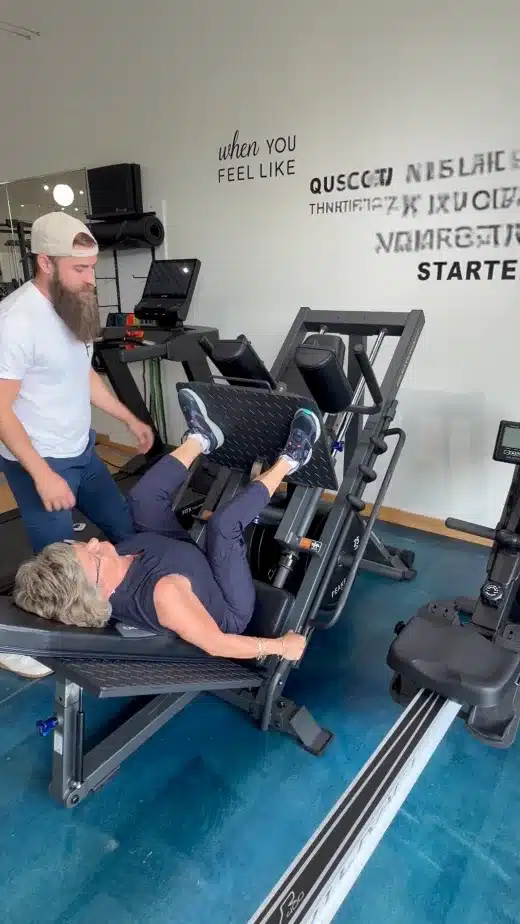


Marilyn’s Story: At 82, She Joined PEAKFIT to Lift Her Own Carry-On
Arden’s Only Private Personal Training Studio for Adults 40+ Marilyn had a very specific goal when she walked into PEAKFIT
Antioxidants and Exercise: Why Adults Over 40 Need More (and Where to Get Them)
Arden’s Only Private Personal Training Studio for Adults 40+ Every time you exercise, your body produces free radicals — unstable
Asheville Mountain Lifestyle Fitness That Supports Your Adventures
Key Takeaways Living an active mountain lifestyle in Asheville means your fitness needs to keep up with you, not the