
Protein Intake for Adults Over 40: The Real Science

Key Takeaways

Adults over 40 need more protein than younger people to maintain muscle mass, support recovery, and protect against age-related muscle loss that begins in your thirties.

  • Aim for 1.2-1.6 grams of protein per kilogram of body weight daily
  • Spread protein intake across all meals for better muscle protein synthesis
  • Focus on complete proteins from whole foods rather than supplements
  • Post-workout protein timing matters more as we age
  • Quality sleep and consistent strength training amplify protein benefits

Why Protein Requirements Change After 40

Your body handles protein differently at 45 than it did at 25. This reality frustrates many adults who follow the same eating patterns that worked in their twenties and thirties, only to watch their energy decline and muscle mass gradually disappear. The problem is not willpower or motivation. Your body literally processes protein less efficiently as you age, a phenomenon researchers call anabolic resistance.

After age 30, adults lose 3-8% of muscle mass per decade. This accelerates for women during menopause due to declining estrogen levels. For men, the gradual decrease in testosterone creates similar challenges. Understanding proper protein intake for adults over 40 becomes essential for maintaining the strength and mobility that supports an active, independent life well into your seventies and beyond.

How Much Protein Do You Actually Need

The outdated recommendation of 0.8 grams per kilogram of body weight was designed for sedentary young adults to prevent deficiency, not to support optimal health in active adults over 40. Current research shows you need significantly more protein to maintain muscle mass and support recovery from exercise.

A 150-pound person should consume 82-110 grams of protein daily, spread across three meals. This translates to roughly 25-35 grams per meal. If you exercise regularly or are recovering from surgery, your needs increase to the higher end of this range. Strength training over 40 often benefits from the upper range combined with consistent resistance exercise.

Timing Your Protein Throughout the Day

Your muscles can only process about 25-30 grams of protein per meal effectively. Loading up on a massive steak at dinner while eating minimal protein at breakfast wastes this opportunity. Aim for protein at every meal, including a quality source within two hours after strength training when your muscles are most receptive to building new tissue.

protein intake for adults over 40

Best Protein Sources for Adults Over 40

Whole food protein sources provide amino acids, vitamins, and minerals that isolated protein powders cannot match. Your digestive system also handles real food more predictably than supplements, especially as stomach acid production naturally decreases with age.

Excellent protein sources include eggs, fish, chicken, turkey, lean beef, Greek yogurt, cottage cheese, and legumes. Fish provides omega-3 fatty acids that support joint health and reduce inflammation. Eggs contain leucine, an amino acid particularly effective at triggering muscle protein synthesis in older adults.

According to the Journal of the American Geriatrics Society, older adults who consumed adequate protein from whole food sources maintained significantly more muscle mass over a five-year period compared to those relying primarily on supplements or consuming inadequate amounts.

When Supplements Make Sense

Protein powders serve as convenient backup options for busy schedules or poor appetites, not as primary protein sources. Choose whey protein if you tolerate dairy well, or plant-based blends if you prefer non-dairy options. Avoid products with artificial sweeteners, fillers, or marketing claims that sound too good to be true.

Common Protein Mistakes After 40

Many adults in this region make the mistake of dramatically cutting calories and protein when they notice weight gain, thinking less food equals better results. This approach backfires spectacularly after 40. Inadequate protein accelerates muscle loss, slows metabolism, and makes you more likely to regain lost weight.

Another common error involves eating most protein at dinner while consuming minimal amounts at breakfast and lunch. Your muscles need consistent amino acid availability throughout the day, not feast-or-famine cycles that stress your system and limit recovery.

Women over 40 often reduce protein intake just when their bodies need it most to combat hormonal changes affecting muscle mass. According to research published in Nutrients journal, postmenopausal women who maintained higher protein intake preserved significantly more lean body mass than those following lower protein approaches.

The Exercise Connection

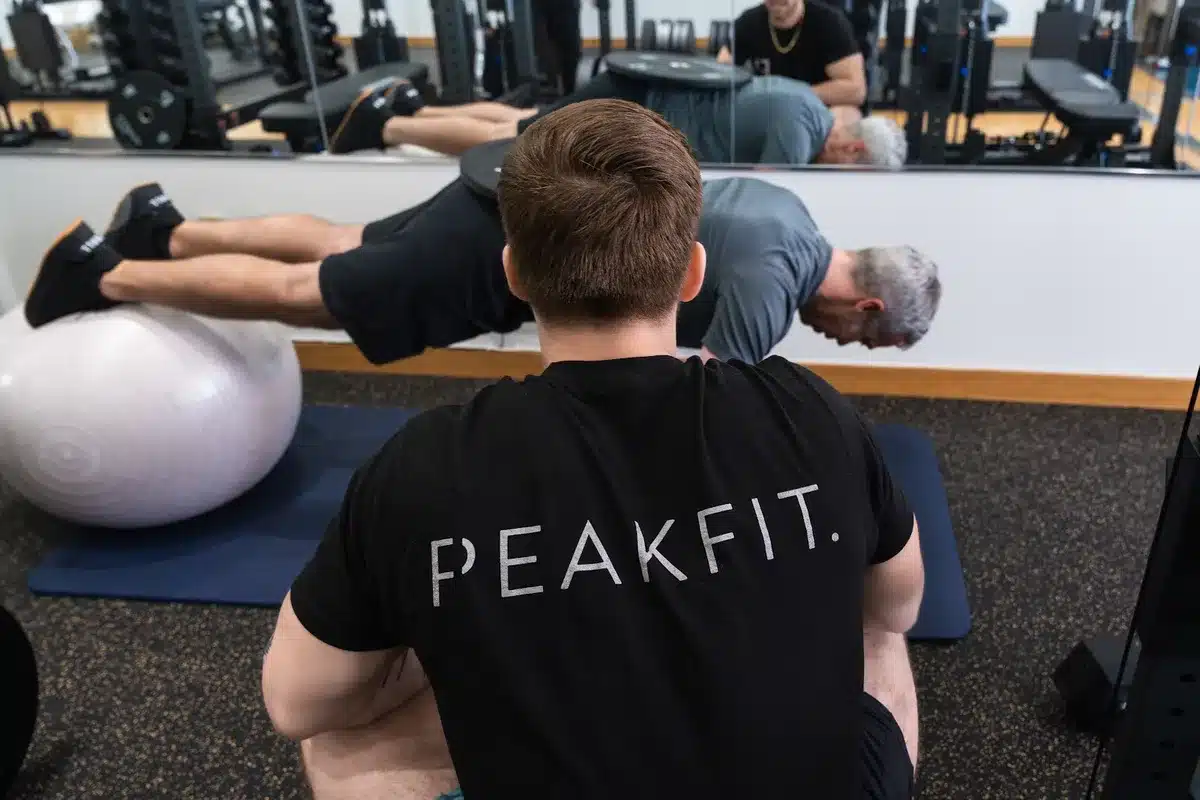
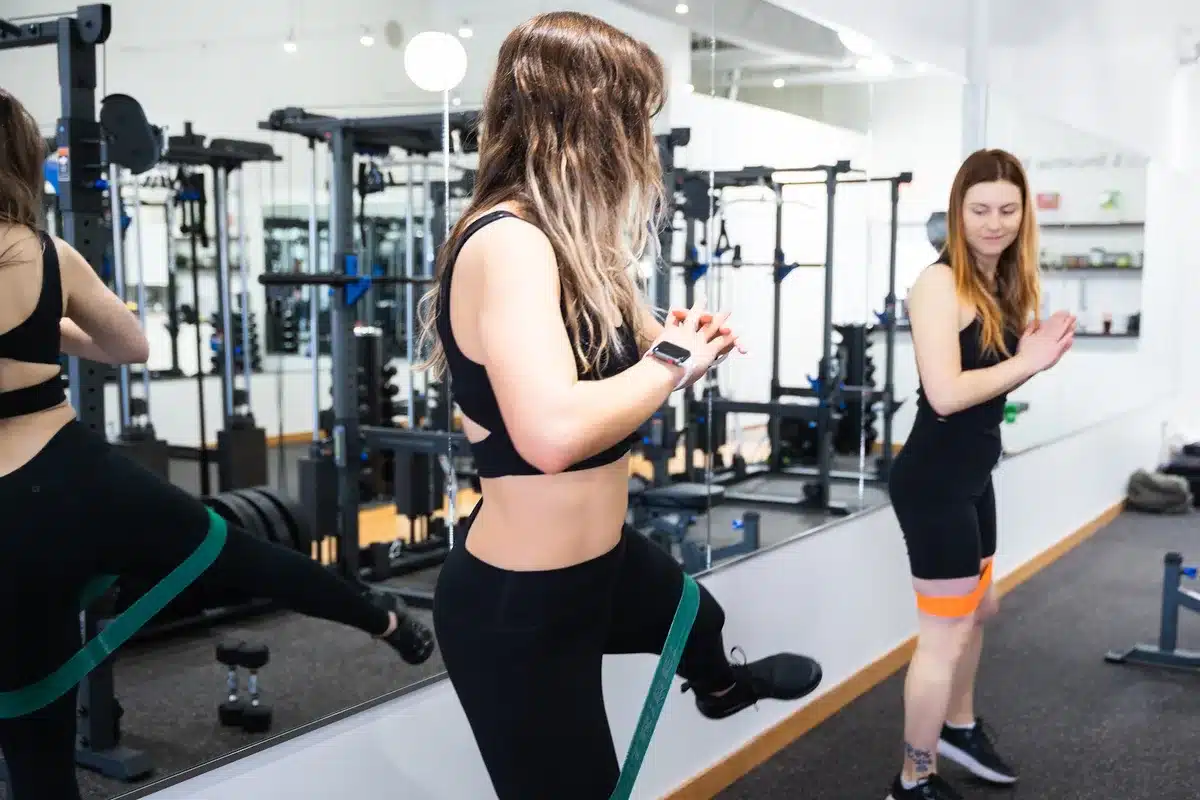
Protein works best when combined with consistent personal training. Adults who increase protein intake without resistance exercise see modest benefits compared to those who combine adequate protein with progressive strength training. The combination creates a powerful stimulus for maintaining and building muscle tissue that protein alone cannot achieve.

Frequently Asked Questions

Can I get enough protein from plant sources alone?

Yes, but it requires more planning. Combine different plant proteins throughout the day to ensure complete amino acid profiles. Quinoa, hemp seeds, and soy products provide complete proteins, while beans and grains complement each other when eaten together.

Should I eat protein immediately after working out?

The post-workout window matters more as you age. Aim to consume 20-30 grams of quality protein within two hours after strength training. Nutrition timing for strength after 40 supports muscle protein synthesis and recovery, especially important for adults over 40.

Will eating more protein damage my kidneys?

Research shows healthy adults can safely consume higher protein intakes without kidney damage. However, if you have existing kidney disease, consult your physician before significantly increasing protein intake.

How do I know if I am eating enough protein?

Track your intake for a week using a food diary or app. Look for consistent energy levels, good recovery from exercise, and maintenance of muscle mass. Fatigue, slow healing, or frequent infections may indicate inadequate protein intake.

Does protein powder count as real nutrition?

Protein powder provides amino acids but lacks the vitamins, minerals, and other compounds found in whole foods. Use supplements to fill gaps, not replace meals. What to eat before and after a workout should prioritize whole food sources that offer superior nutrition and better satiety.

Can I eat too much protein?

Extremely high protein intake may stress kidneys in susceptible individuals and crowd out other important nutrients. Stick to research-backed recommendations of 1.2-1.6 grams per kilogram of body weight unless working with a qualified professional.

Why am I not seeing results despite eating more protein?

Protein works best with consistent strength training, adequate sleep, and proper hydration. Without progressive resistance exercise, additional protein provides minimal muscle-building benefits. Recovery factors like sleep quality significantly impact how effectively your body uses dietary protein.

Should protein intake change with age beyond 40?

Adults over 65 may benefit from slightly higher protein intake, up to 1.6-2.0 grams per kilogram, due to further decreases in muscle protein synthesis efficiency. Personal training after 60 should focus on easily digestible sources and consider spreading intake across four smaller meals.

Get Professional Guidance That Actually Works

Figuring out proper nutrition while dealing with changing metabolism, busy schedules, and conflicting information online creates unnecessary stress. Many adults spend months trying different approaches without seeing real results, growing more frustrated with each failed attempt. Working with professionals who understand the unique challenges facing adults over 40 in our area can save you time and prevent common mistakes that derail progress. Book Your Free Consultation at peakfit.studio/free-consultation/ or call (828) 620-7020.

Related Articles

Ready to Start Your Fitness Journey?

Join thousands of others who’ve transformed their lives at PeakFit Studio. Take the first step today with our personalized fitness assessment.

Scroll to Top