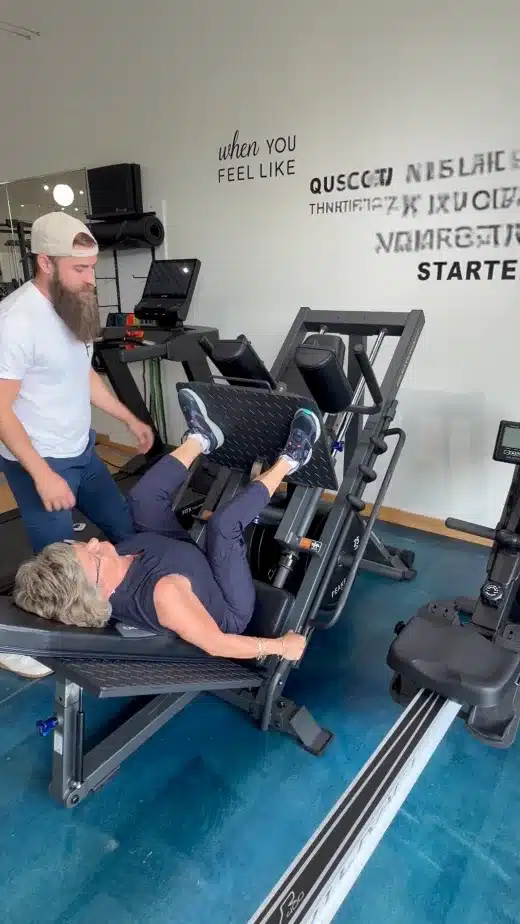
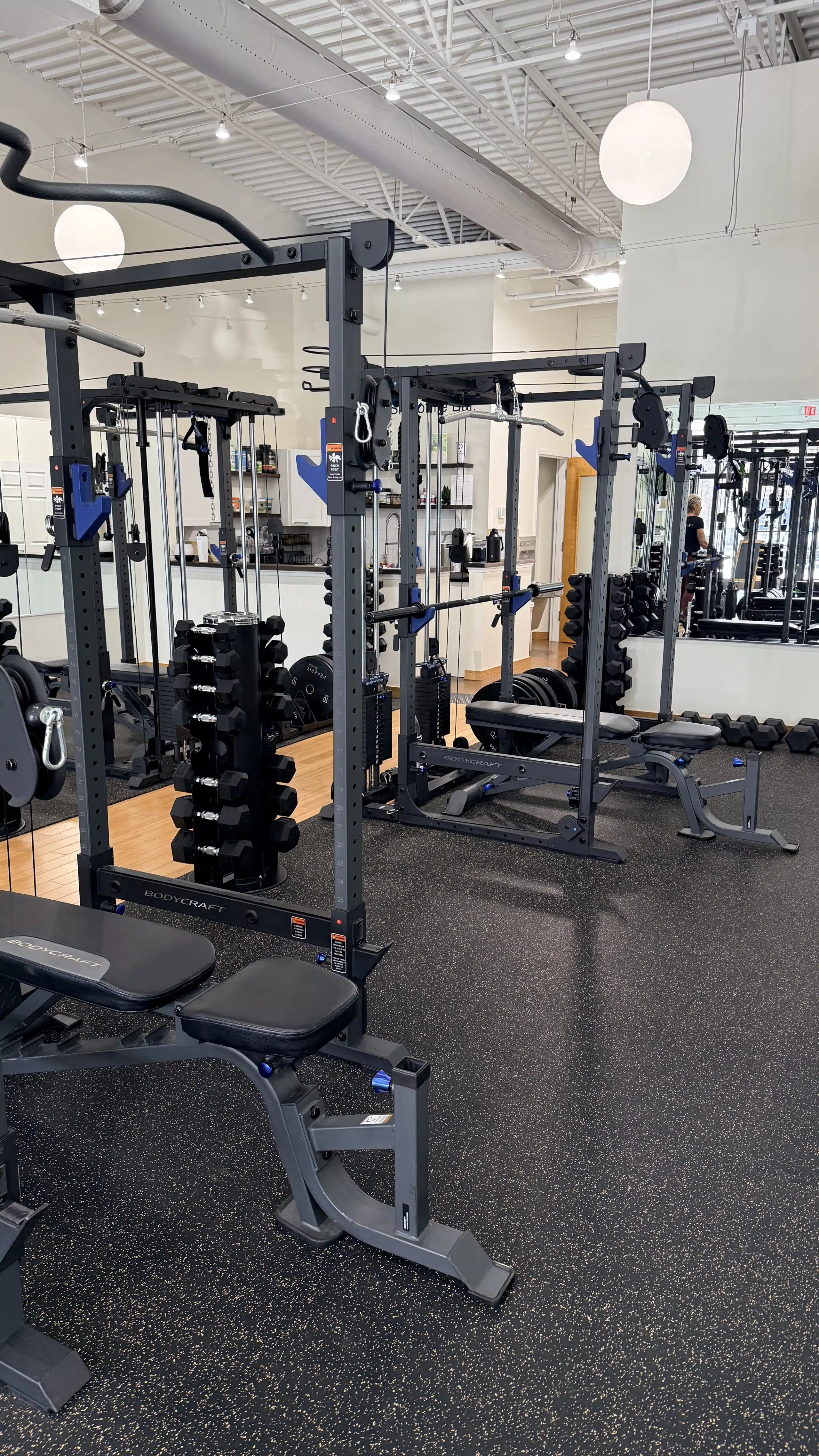
Arden’s Only Private Personal Training Studio for Adults 40+
Every time you exercise, your body produces free radicals — unstable molecules that, in excess, damage cells, accelerate aging, and slow recovery. This is called oxidative stress, and it’s a normal byproduct of physical activity. The problem is that after 40, your body’s natural antioxidant defense system becomes less efficient at neutralizing these free radicals — even as the demand for antioxidants increases.
The result: adults who are exercising regularly but not eating for recovery often feel more beat up than they should, recover more slowly between sessions, and see diminishing returns from their training over time.
Understanding antioxidants — what they do, why you need more of them after 40, and where to get them — is one of the most practical things you can do to support your training and your long-term health.
What Are Antioxidants and What Do They Do?
Antioxidants are compounds that neutralize free radicals by donating an electron — essentially stabilizing the unstable molecule before it can damage healthy cells. Your body produces some antioxidants internally (like glutathione and superoxide dismutase), but the majority come from the food you eat.
The most well-known dietary antioxidants include:
- Vitamin C — water-soluble, found in citrus, bell peppers, and berries
- Vitamin E — fat-soluble, found in nuts, seeds, and olive oil
- Beta-carotene — found in orange and yellow vegetables, leafy greens
- Selenium — found in Brazil nuts, fish, and eggs
- Polyphenols and flavonoids — found in berries, dark chocolate, green tea, and colorful vegetables
- Lycopene — found in tomatoes, watermelon, and pink grapefruit
These compounds work synergistically — meaning a diverse diet rich in colorful whole foods provides far more antioxidant protection than any single supplement.
Why Exercise Increases Your Antioxidant Demand
Exercise is one of the most powerful things you can do for your health — but it also generates significant oxidative stress. During intense or prolonged exercise, free radical production can increase by 10 to 20 times above resting levels.
In younger adults, the body’s antioxidant systems adapt to this demand over time — a process called hormesis. Regular exercise actually upregulates your internal antioxidant production, making you more resilient.
After 40, this adaptive response becomes less efficient. Mitochondrial function declines. Glutathione production decreases. The gap between free radical production and antioxidant capacity widens. This is why active adults over 40 who aren’t eating for recovery often feel the effects of training more acutely — more soreness, slower recovery, more fatigue — even when they’re doing everything else right.
The Inflammation Connection
Oxidative stress and inflammation are closely linked. Excess free radicals trigger inflammatory pathways, and chronic low-grade inflammation — sometimes called “inflammaging” — is one of the primary drivers of age-related decline in muscle mass, joint health, cognitive function, and cardiovascular health.
An antioxidant-rich diet is one of the most direct ways to reduce this chronic inflammatory burden. The PEAKFIT 360 Approach addresses this through the alkalinity principle: aiming for 70–80% of your meals to come from alkaline, anti-inflammatory foods — primarily colorful vegetables, fruits, and whole food sources of healthy fats.
Top Antioxidant Sources for Active Adults Over 40
Berries
Blueberries, blackberries, raspberries, and strawberries are among the most antioxidant-dense foods available. They’re rich in anthocyanins — polyphenols that have been shown to reduce exercise-induced muscle damage and accelerate recovery. A handful of mixed berries in a post-workout smoothie is one of the simplest and most effective recovery strategies available.
Dark Leafy Greens
Spinach, kale, arugula, and Swiss chard provide Vitamin C, beta-carotene, lutein, and zeaxanthin. They’re also alkaline-forming foods that help buffer the acid load from intense exercise. The PEAKFIT Power Plate dedicates half your plate to color and fiber — leafy greens are the foundation of that half.
Dark Chocolate (70%+ Cacao)
One of the most enjoyable antioxidant sources. Dark chocolate is rich in flavanols — polyphenols that support cardiovascular health, reduce inflammation, and may improve exercise performance and recovery. The key is cacao content: 70% or higher to get meaningful antioxidant benefit without excess sugar.
Turmeric and Ginger
Curcumin (the active compound in turmeric) is one of the most studied anti-inflammatory compounds in nutrition research. Combined with black pepper (which increases bioavailability by up to 2,000%), turmeric is a powerful addition to a recovery-focused diet. Ginger has similar anti-inflammatory properties and has been shown to reduce exercise-induced muscle soreness.
Green Tea
Rich in EGCG (epigallocatechin gallate), one of the most potent antioxidant compounds found in food. Green tea also provides L-theanine, which supports focus and reduces cortisol — making it an excellent pre-workout or recovery beverage.
Beets
Beets are rich in betalains — a unique class of antioxidants with strong anti-inflammatory properties. They also contain dietary nitrates that support blood flow and exercise performance. Beet juice has become one of the most evidence-backed natural performance supplements for endurance and recovery.
The PEAKFIT Juice Bar
This is exactly why we built a juice and smoothie bar inside the studio. Recovery doesn’t start when you leave — it starts the moment your session ends. Our fresh juices and smoothies are built around ingredients that support antioxidant recovery: berries, leafy greens, ginger, turmeric, beets, and citrus. No artificial ingredients. No sugar-loaded bases. Just real food that works.
What to Avoid: Antioxidant Blockers
Some habits actively deplete your antioxidant reserves:
- Processed foods and refined sugar — drive oxidative stress and inflammation
- Excess alcohol — depletes glutathione, your body’s master antioxidant
- Chronic sleep deprivation — impairs antioxidant enzyme activity and increases oxidative stress markers
- Chronic stress — elevates cortisol, which increases free radical production
- Overtraining without adequate recovery — accumulates oxidative damage faster than the body can repair it
This is why the PEAKFIT 360 Approach integrates sleep, stress management, nutrition, and movement as a system — not as separate boxes to check. You can’t out-supplement a lifestyle that’s generating more oxidative stress than your body can handle.
Practical Application: What to Eat Around Your Training
Pre-workout (1–2 hours before): Focus on complex carbohydrates and moderate protein. Add antioxidant-rich foods like berries or a small amount of dark chocolate to support performance and reduce exercise-induced oxidative stress.
Post-workout (within 30–60 minutes): This is the most critical window. Prioritize protein for muscle repair, and pair it with antioxidant-rich carbohydrates — berries, citrus, or a fresh juice from the bar. Vitamin C at this point also supports collagen synthesis in connective tissue.
Daily baseline: Aim for 5–9 servings of colorful vegetables and fruits per day. The more color variety, the broader the antioxidant spectrum. This isn’t a diet — it’s a recovery strategy.
The Bottom Line
If you’re training consistently after 40 and not eating for recovery, you’re leaving results on the table. Antioxidants aren’t a supplement trend — they’re a fundamental part of how your body repairs, adapts, and stays healthy under the demands of regular exercise.
At PEAKFIT Studio in Arden, NC, we integrate nutrition guidance into every program — because training is only as effective as the recovery that follows it. Our 360 Approach addresses the full picture: movement, nutrition, sleep, and stress — so your results compound over time instead of plateauing.
Ready to train smarter and recover faster?
PEAKFIT Studio — 100 Julian Ln, Suite 120, Arden, NC 28704 | (828) 620-7020 | hello@peakfit.studio