
Key Takeaways
Proper hydration becomes increasingly critical after 40, as aging affects fluid regulation and recovery. Smart hydration strategies can prevent fatigue, cramping, and poor performance during workouts.
- Start hydrating 2-3 hours before exercise, not just during your workout
- Monitor urine color and thirst cues rather than relying solely on water intake guidelines
- Electrolyte balance matters more than pure water volume, especially for longer sessions
- Post-workout hydration directly impacts recovery and next-day performance
- Individual needs vary significantly based on body size, sweat rate, and workout intensity
Why Hydration Gets More Complex After 40
Your body’s relationship with water changes as you age. After 40, you lose muscle mass naturally, and since muscle tissue holds more water than fat tissue, your body’s total water content decreases. Your kidneys also become less efficient at concentrating urine, meaning you lose more water throughout the day.
These physiological shifts mean the hydration strategies that worked in your twenties might leave you feeling sluggish or cramped during workouts now. The good news? Understanding these changes helps you develop smarter hydration habits that actually support your fitness goals. At PEAKFIT Studio in Arden, we see how proper hydration transforms our clients’ energy levels and workout performance, particularly when combined with appropriate protein intake for adults over 40 and strength training strategies designed for your age.
Pre-Workout Hydration That Sets You Up for Success
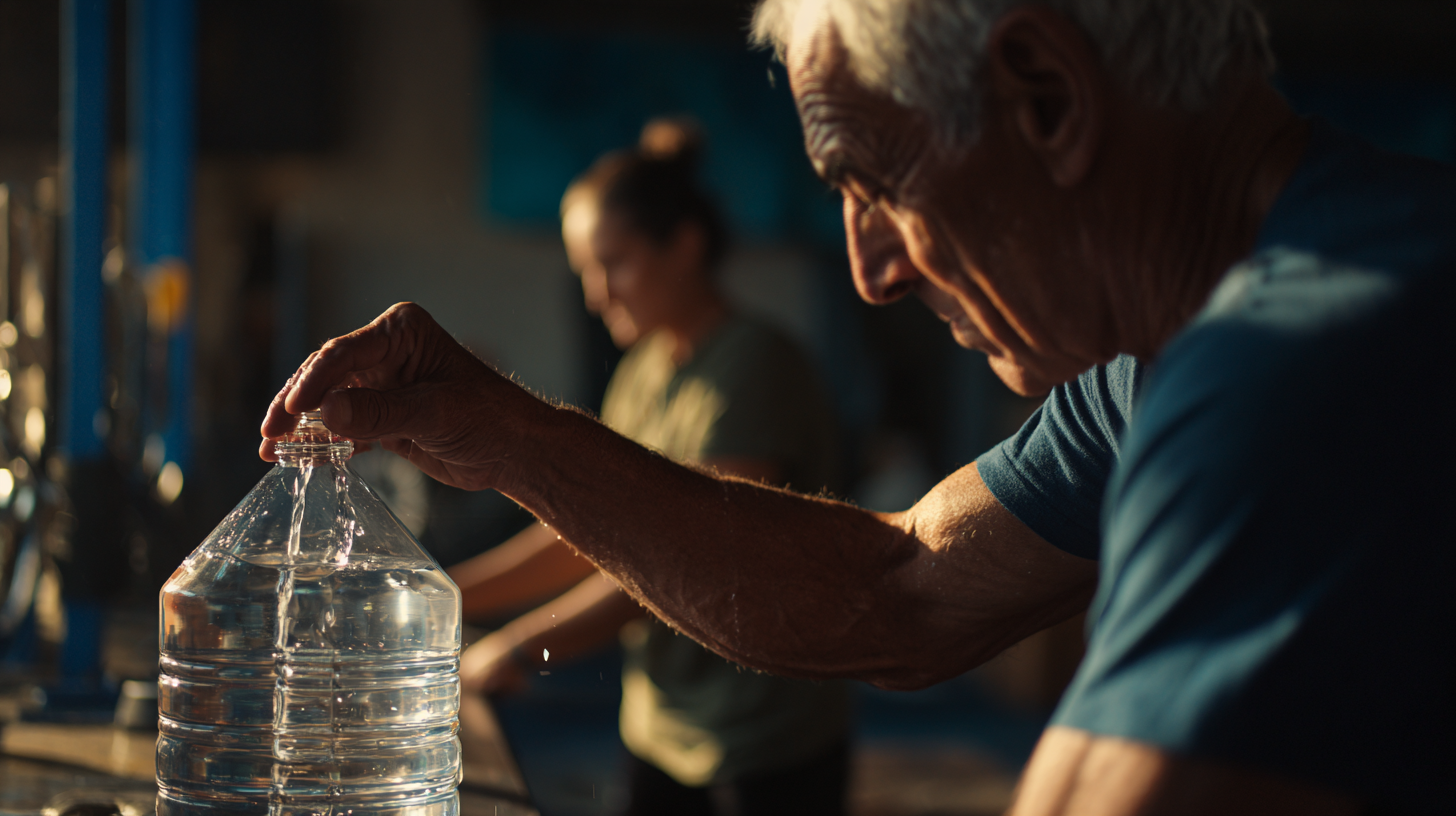
Most people think hydration starts when they grab their water bottle at the gym. Actually, effective workout hydration begins hours before you exercise. Your goal is arriving at your workout already well-hydrated, not playing catch-up once you start sweating.
Start drinking water 2-3 hours before your workout. According to the science of hydration, consuming 16-20 ounces of fluid 2-3 hours before exercise gives your body time to absorb the water and eliminate excess through urination. About 15-20 minutes before you start, drink another 6-8 ounces.
Check your hydration status by looking at your urine color. Pale yellow indicates good hydration, while dark yellow suggests you need more fluids. The CDC guidance on water and healthy hydration confirms that urine color is one of the most reliable everyday indicators of fluid status. This simple visual check works better than trying to hit arbitrary water intake numbers that don’t account for your individual needs. When you pair proper hydration with strategic pre and post-workout nutrition, you create the optimal conditions for peak performance.
During Your Workout: Quality Over Quantity
The type of exercise you’re doing determines your hydration strategy during workouts. For sessions under an hour, water alone usually suffices. Your body has enough stored electrolytes to maintain proper function during shorter, moderate-intensity exercise. Understanding proper workout frequency after 50 helps you plan your hydration accordingly.
For longer or more intense sessions, electrolyte replacement becomes important. You lose sodium, potassium, and magnesium through sweat, and replacing only the water creates an imbalance. The role of electrolytes in exercise performance is well established, and proper electrolyte management is particularly important for those engaged in consistent strength training over 90 days, where cumulative fluid losses across multiple weekly sessions can add up quickly.
Drink when you feel thirsty during exercise, but don’t wait until you’re parched. Small, frequent sips work better than chugging large amounts, which can cause stomach discomfort. The goal is maintaining your pre-exercise hydration level, not dramatically increasing fluid intake. Adults managing joint-friendly strength training over 40 especially benefit from consistent fluid intake, as proper hydration supports cartilage health and joint lubrication throughout every session.
Recovery Hydration: The Often-Missed Opportunity
Post-workout hydration directly affects how you feel tomorrow and impacts your body’s ability to repair and strengthen muscle tissue. Many people focus intensely on pre- and during-workout hydration, then completely neglect the recovery phase.
Weigh yourself before and after exercise to determine fluid losses. For every pound lost during exercise, drink 16-24 ounces of fluid. This replacement should happen gradually over 2-4 hours post-workout, not all at once. Including some sodium in your post-workout hydration helps your body retain the fluid you’re consuming.
Recovery hydration works synergistically with other wellness factors. Proper fluid balance supports sleep and strength training recovery over 40, helping your body enter deeper sleep phases needed for muscle repair. It also supports mental clarity and mood stability, which becomes particularly important for those using exercise for anxiety and depression over 40 as part of their wellness strategy. Additionally, understanding why post-workout recovery matters more than the workout itself transforms how you approach your entire fitness routine. Pairing solid recovery hydration habits with non-negotiable rest days after 45 gives your body the complete recovery window it needs to adapt and grow stronger.
Individual Factors That Change Everything
Generic hydration advice fails because everyone’s needs differ significantly. Your sweat rate, body composition, fitness level, and even genetics affect how much fluid you need before, during, and after exercise.
Larger individuals generally need more fluid, but the relationship isn’t purely linear. A 200-pound person who’s well-conditioned might need less fluid per pound than a 150-pound beginner because fitness improves your body’s cooling efficiency. Women often have different hydration needs than men due to hormonal fluctuations that affect fluid retention. This is one reason strength training during menopause requires individualized approaches to nutrition and hydration.
Environmental factors matter enormously. Exercising in Arden’s humid summer weather increases fluid needs compared to cool, dry conditions, which is one reason indoor strength training outperforms outdoor workouts in WNC summer for many adults over 40. Indoor environments with air conditioning or heating also affect hydration requirements. Pay attention to how your body responds in different conditions rather than following rigid rules. Working with experienced trainers in quality small group fitness settings ensure






Luxury Personal Trainer Asheville NC: High-Touch Fitness Coaching
Key Takeaways A luxury personal trainer in Asheville NC delivers a fundamentally different experience from a standard gym membership: individualized
Functional Movement Training Asheville NC: Move Better, Live Longer
Key Takeaways Functional movement training focuses on the patterns your body uses every day, such as bending, reaching, carrying, and
Senior Fitness Training Asheville NC for Adults 60 and Up
Key Takeaways Senior fitness training in Asheville NC addresses the specific physical changes that come with aging, including muscle loss,