Why Your Post-Workout Recovery Matters More Than Your Workout
Here’s something that might surprise you: the hour you spend working out isn’t when your body actually gets stronger. That magic happens during recovery, when your muscles repair, rebuild, and adapt to the stress you just put them through.
Most people have this backwards. They think harder workouts equal better results, so they push through soreness, skip rest days, and treat recovery like it’s optional. Then they wonder why their progress stalls or why they’re constantly tired.
The truth is, your workout is just the stimulus. Recovery is where the real transformation happens.
The Science Behind Recovery
When you exercise, you’re actually breaking down muscle tissue and stressing your nervous system. That’s not a bad thing – it’s necessary. But without proper recovery, that breakdown never turns into building back up stronger.
During recovery, your body:
- Repairs microscopic muscle damage
- Replenishes energy stores
- Removes metabolic waste
- Adapts your cardiovascular system
- Strengthens connective tissues
Skip this process, and you’re essentially spinning your wheels. You might feel like you’re working hard, but you’re not actually getting the results you want.
Why Most People Get Recovery Wrong
The biggest mistake we see is thinking recovery means doing nothing. People finish their workout, grab a quick shower, and go straight back to their busy lives. They treat recovery like it’s passive – something that just happens automatically.
But optimal recovery is active. It requires intention, planning, and the right tools.
Jennifer Taiwo, one of our members, put it perfectly: “I know what I am doing in the gym I just needed accountability.” But what she discovered was that accountability included making sure she was recovering properly between sessions. “I am seeing my hot girl summer body come through!!!” she shared, and a big part of that success came from prioritizing recovery.
The Recovery Tools That Actually Work
At PeakFit Studio, we’ve built our entire approach around the idea that recovery isn’t separate from fitness – it’s part of it. Here’s what we’ve learned works best:
Infrared Sauna: Your Secret Weapon
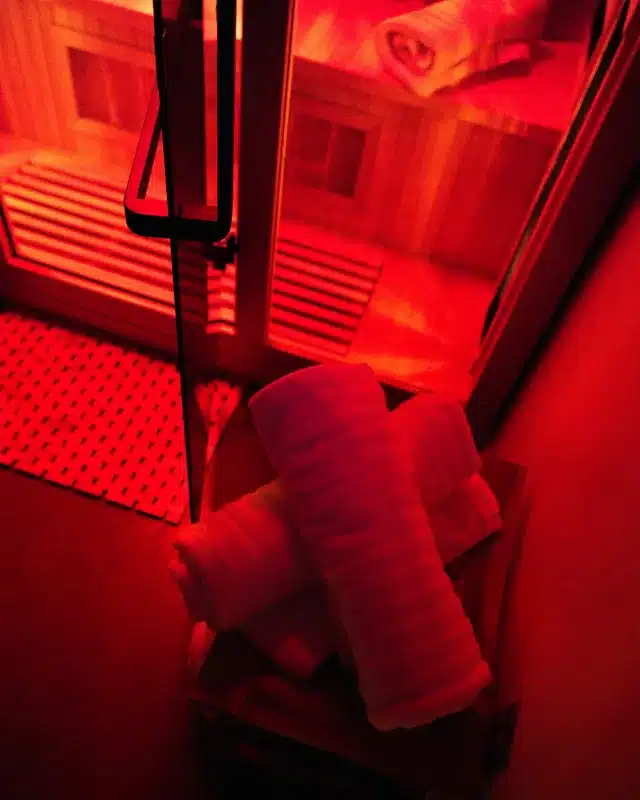
Most people think saunas are just about relaxation, but infrared sauna therapy is actually one of the most powerful recovery tools available. Unlike traditional saunas that heat the air around you, infrared saunas use light to heat your body directly.
The benefits are incredible:
- Increased blood flow helps deliver nutrients to recovering muscles
- Deep heat penetration reduces inflammation
- Improved circulation speeds up waste removal
- Enhanced flexibility as muscles relax
- Better sleep quality, which is crucial for recovery
Christine Callahan visited us recently and said: “I recently took a tour and this place is top notch! The staff was very welcoming and the sauna is amazing.”
We recommend 15-20 minutes post-workout when your muscles are already warm. The heat helps extend the benefits of your training session while preparing your body for optimal recovery.
Red Light Therapy: The Science of Cellular Recovery
Red light therapy might sound futuristic, but the science is solid. Specific wavelengths of red and near-infrared light penetrate deep into tissues, where they stimulate cellular energy production at the mitochondrial level.
What this means for your recovery:
- Faster muscle repair and regeneration
- Reduced inflammation and oxidative stress
- Improved collagen production for healthier skin
- Enhanced wound healing
- Better sleep patterns
The best part? It’s completely non-invasive. You simply relax under the lights for 10-15 minutes while your cells do the work.
Assisted Stretching: Movement That Heals
Stretching after a workout isn’t just about feeling good – it’s about maintaining the mobility and flexibility that keeps you training consistently. But most people don’t stretch effectively on their own.
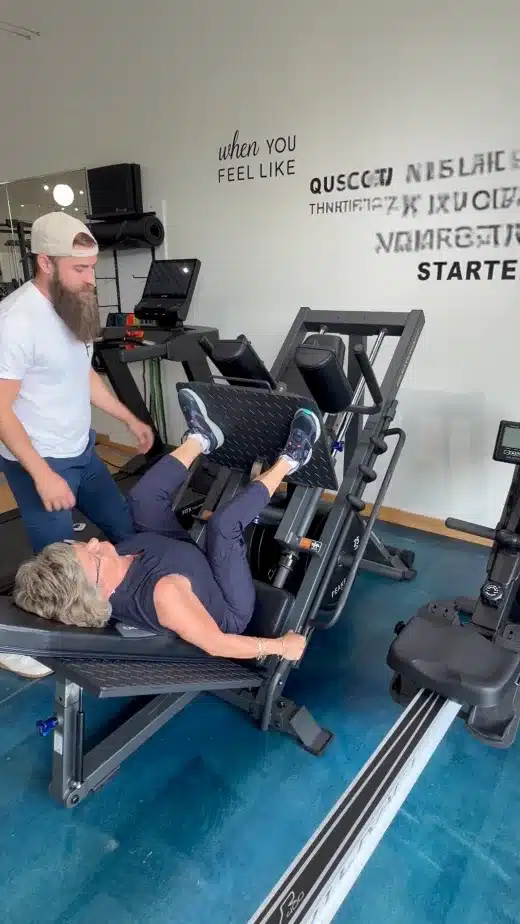
That’s where assisted stretching comes in. Our certified flexologist Dakota works with clients to address tight spots, improve range of motion, and prevent the stiffness that can derail your training.
Adam Knapp experienced this firsthand: “My trainer, Dakota, has been an exceptional trainer for me! His knowledge of the bodies functional mechanics has been superb! I am often persuaded by thorough knowledge of systems.”
Assisted stretching hits muscles and fascia that you simply can’t reach on your own, helping you maintain the mobility needed for long-term progress.
Recovery You Can Do at Home
You don’t need a fully equipped studio to recover properly. Here are the most effective things you can do between sessions:
Prioritize Sleep Quality
This isn’t negotiable. Your body does most of its repair work while you sleep. Aim for 7-9 hours, and create a environment that supports deep rest:
- Keep your room cool (65-68°F)
- Use blackout curtains or an eye mask
- Put devices away at least an hour before bed
- Consider magnesium supplementation to help with muscle relaxation
Stay Hydrated, But Do It Right
You need more than just water. When you sweat, you lose electrolytes that are crucial for muscle function and recovery. Add a pinch of sea salt to your water, or include electrolyte-rich foods like bananas, spinach, and avocados.
Gentle Movement on Rest Days
Complete rest isn’t always best. Light movement like walking, easy yoga, or gentle stretching helps maintain blood flow and prevents stiffness. The key is keeping intensity low – you should feel energized, not drained.
Manage Stress Levels
Physical stress from exercise plus life stress from work, family, and daily demands can overwhelm your recovery capacity. Find stress management techniques that work for you, whether that’s meditation, deep breathing, or just spending time in nature.
Eat for Recovery
Your post-workout nutrition window is real. Within 30-60 minutes after training, your body is primed to absorb nutrients. Focus on:
- Protein for muscle repair (20-30 grams)
- Carbs to replenish energy stores
- Anti-inflammatory foods like berries, leafy greens, and fatty fish
The PeakFit Difference
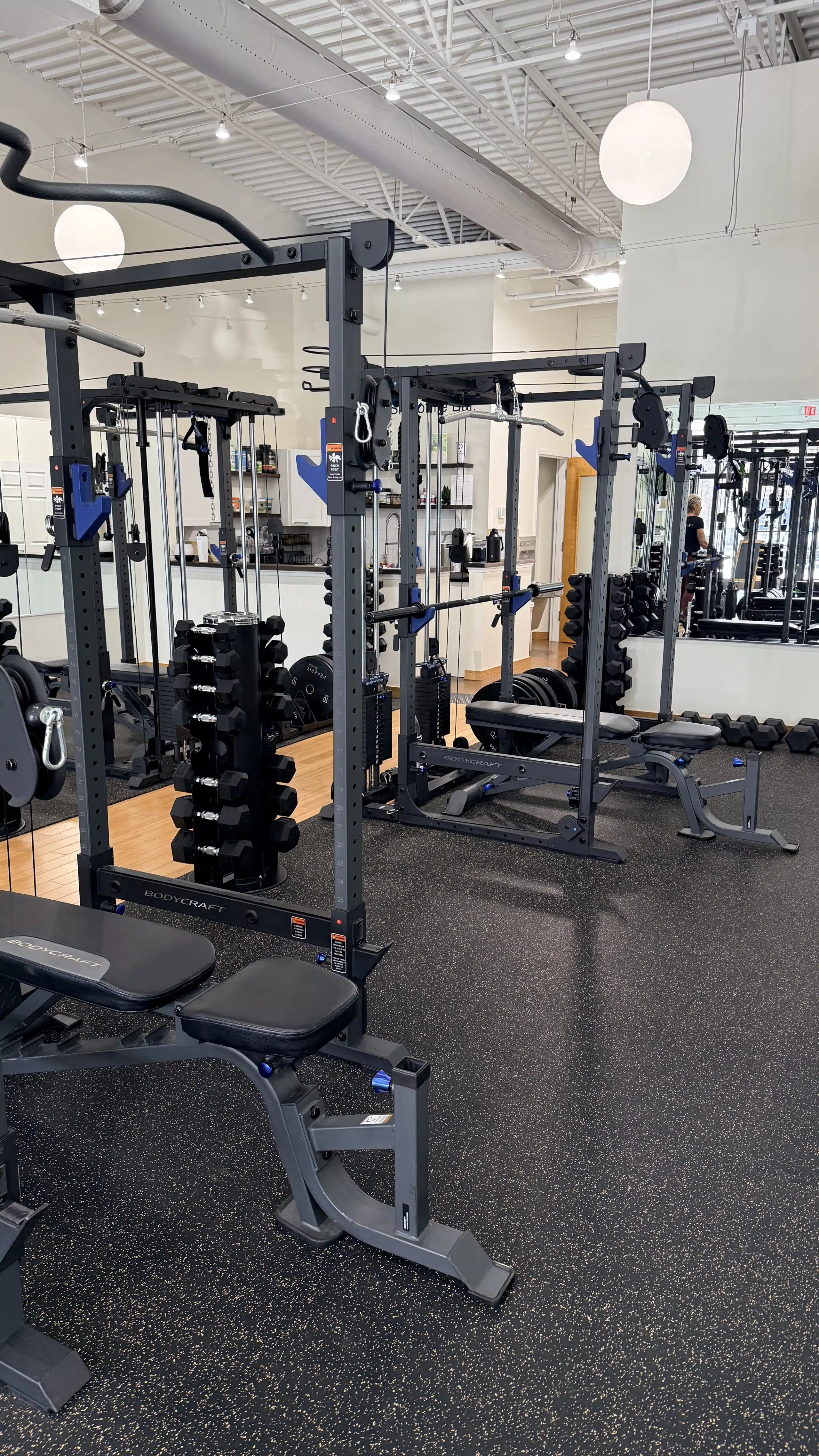
What makes our approach unique is that we don’t separate training from recovery. They’re part of the same system. When you work with us, your session doesn’t end when the workout does.
Jason Symonds described it perfectly: “The holistic approach that Alex takes with his clients was exactly what my circumstances called for. Not only are our workouts super efficient, and effective, but we also continually discuss nutrition, supplements and things that promote restorative sleep and an overall healthy lifestyle.”
This integrated approach is why our members see results that stick. Greg Derrico noticed it immediately: “PeakFit is hands down one of the best fitness studios I’ve been to. The members here are incredibly friendly and supportive—it feels more like a community than a gym. The energy is always positive, and it really motivates you to push yourself.”
Recovery as a Lifestyle
True recovery isn’t just about what you do immediately after a workout. It’s about building habits that support your body’s natural healing processes day after day.
Duncan Haggart has been training with us for over a year: “After many years of not regularly working out, I’ve trained with Alex for over a year now. I’m stronger, fitter and just feel better. I never dread going to the gym, and Alex always has different routines to keep it fresh.”
That consistency comes from treating recovery as seriously as the training itself. When your body feels good, you want to keep moving. When you’re constantly sore and tired, exercise becomes a chore.
The Complete Picture
At PeakFit Studio, we’ve created a space where recovery is built into everything we do. Our infrared sauna, red light therapy, and assisted stretching aren’t add-ons – they’re essential parts of helping you reach your goals.
Mike McDonald, who has been with us since we opened, summed it up: “The studio is beautiful, the staff are friendly, the smoothies are delicious, and the training experience is top notch. Highly recommended!”
Even our juice bar is designed with recovery in mind. The nutrient-dense smoothies and fresh-pressed juices provide the vitamins, minerals, and antioxidants your body needs to repair and rebuild.
Ready to Recover Like a Pro?
If you’ve been working out consistently but not seeing the results you want, the missing piece might be recovery. Our free consultation includes an InBody scan and intro training session, plus you’ll experience our recovery services firsthand.
We’ll show you how proper recovery can accelerate your progress, reduce soreness, and help you feel stronger and more energized than you have in years.
Schedule your free consultation today at (828) 620-7020 or visit us at 100 Julian Ln, Ste 120, Arden, NC 28704. Let’s show you what happens when you train strong and recover even stronger.