

Key Takeaways
Winter doesn’t have to derail your fitness routine. The right strategies, support system, and mindset shifts can keep you moving toward your goals even when the temperature drops and daylight hours shrink.
- Adjust your routine to work with winter’s natural rhythms, not against them
- Focus on consistency over intensity during shorter, darker days
- Use indoor training as an opportunity to build foundational strength
- Create accountability systems that don’t rely on perfect weather
- Prioritize recovery and stress management during seasonal transitions
Why Winter Fitness Feels Different After 40
Winter brings unique challenges that affect how your body responds to exercise, especially as we age. Your joints may feel stiffer in cold weather. Energy levels naturally dip with less sunlight. The cozy indoor environment makes it tempting to hibernate until spring returns to the mountains.
These aren’t character flaws or signs of weakness. Your body is responding normally to seasonal changes. The key lies in working with these natural rhythms rather than fighting them. Dr. Sarah Mitchell, a sports medicine physician who works with adults over 40, explains: “Winter requires a different approach to fitness. We need to honor what our bodies are telling us while maintaining enough activity to prevent the deconditioning that can happen during inactive months.”
At PEAKFIT Studio, we see this seasonal shift every year. Clients who push themselves just as hard in January as they did in July often end up frustrated, injured, or burned out. Those who adapt their approach? They emerge from winter stronger and more motivated than before. For more information on seasonal health changes, see the National Institutes of Health resource library.
Practical Motivation Strategies That Work
Start by redefining what success looks like during winter months. Instead of maintaining peak summer intensity, focus on consistency. Three moderate workouts per week beats sporadic high-intensity sessions followed by weeks of inactivity.
Schedule your workouts during whatever daylight hours you can access. Morning exercisers might need to shift to lunch breaks or early evening sessions. The goal is finding natural light when possible, as this helps regulate the circadian rhythms that affect energy and motivation. Research from the Centers for Disease Control and Prevention supports the importance of consistent physical activity year-round.
Create a backup plan for outdoor activities. Having workout studios near you provides consistency regardless of weather conditions. Indoor training also offers opportunities to focus on mobility work, strength building, and movement patterns that support your outdoor activities when warmer weather returns.

Building Winter Accountability Systems
Motivation alone won’t carry you through three months of shorter days and unpredictable weather. You need systems that make showing up easier than skipping. This means removing as many barriers as possible between you and your workout.
Pack your gym bag the night before. Keep workout clothes by your bed for morning sessions. If you’re exercising at home, set up your space in advance. Small preparation steps eliminate the mental friction that kills motivation on difficult days.
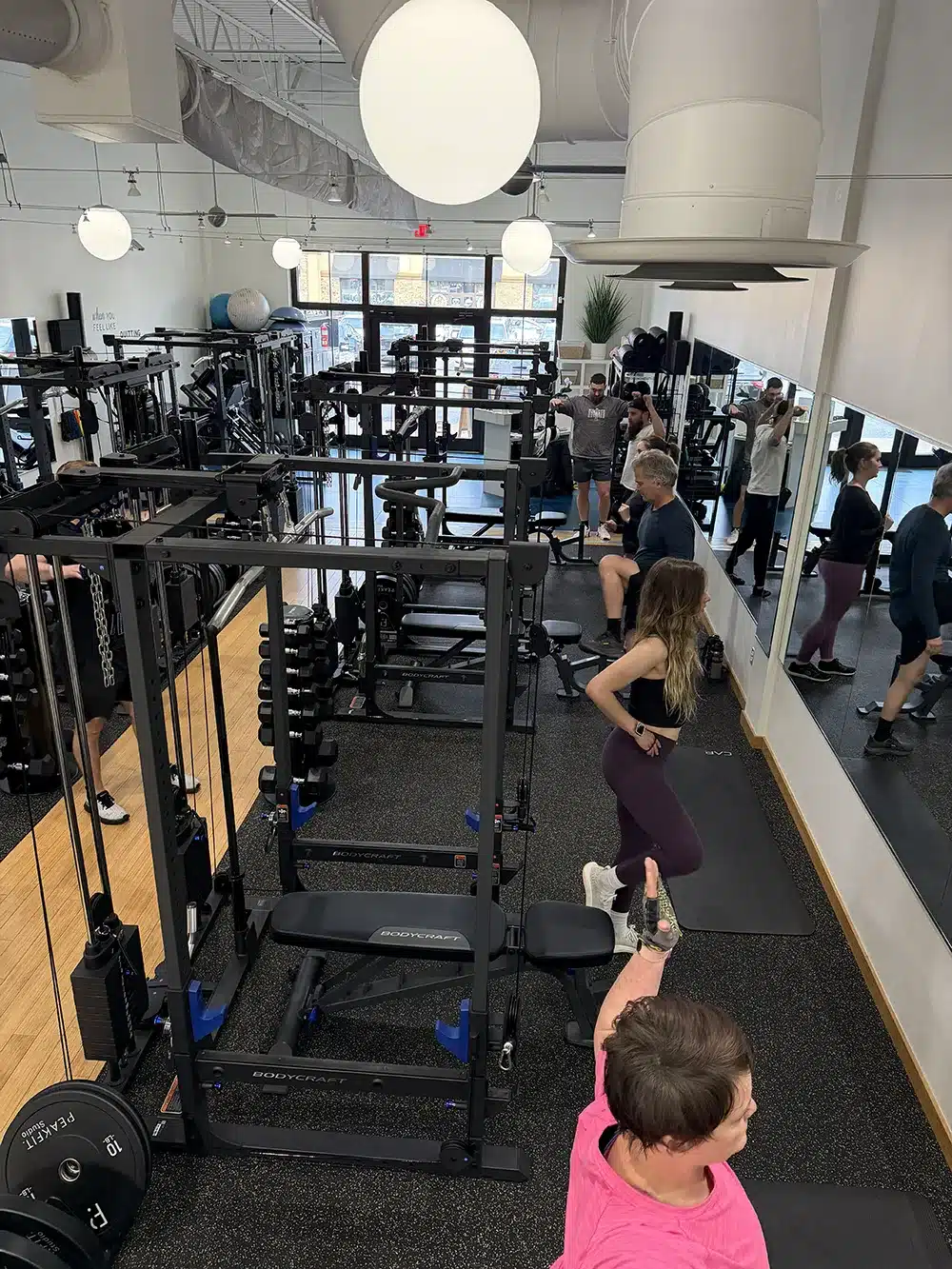
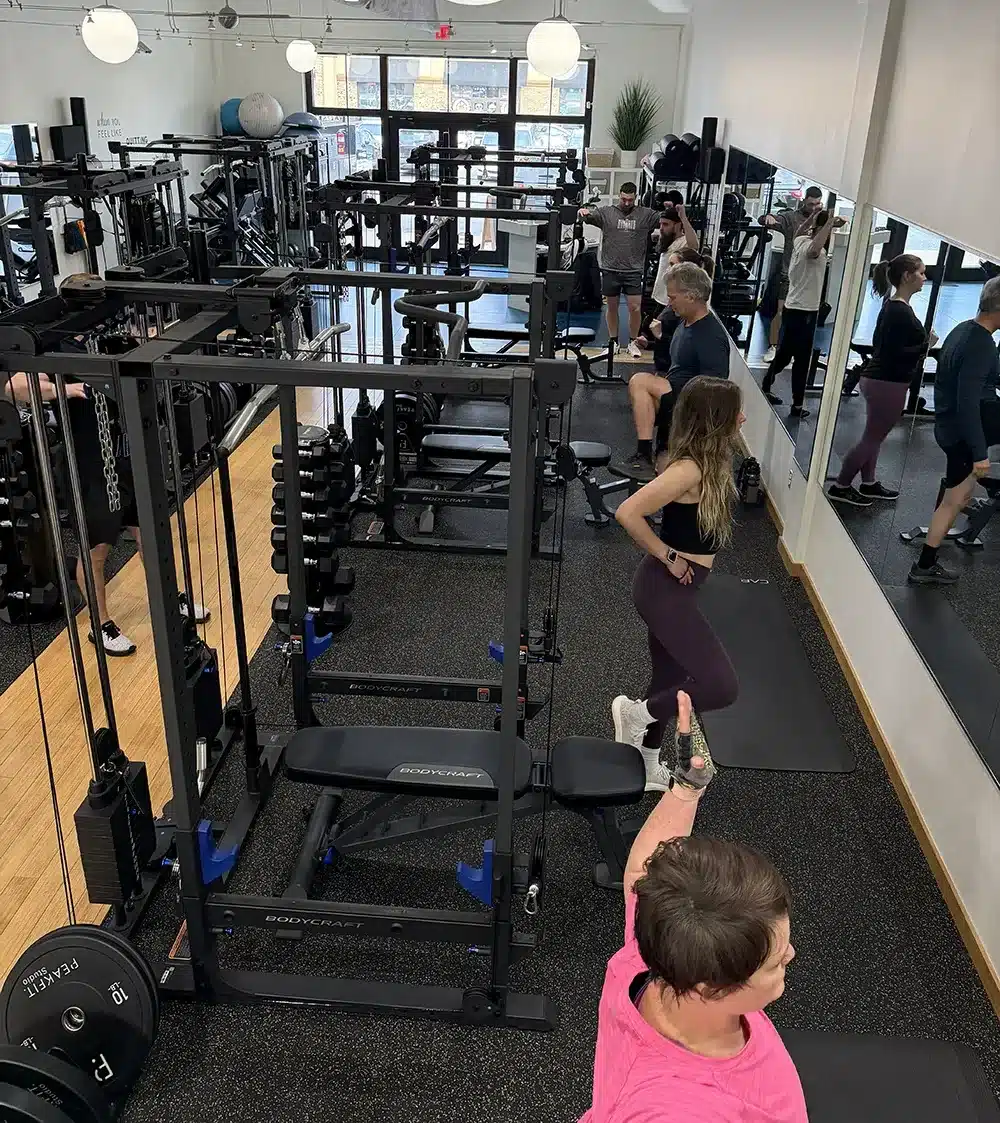
Find training partners or classes that expect your presence. The social commitment often provides stronger motivation than personal goals alone. “I’ve noticed that clients who train in our semi-private sessions maintain better consistency through winter,” notes certified strength coach Mark Stevens. “The combination of scheduled appointments and peer support creates natural accountability.”
Track process goals rather than outcome goals. Instead of focusing on weight loss or performance metrics that may stagnate during winter, celebrate consistency markers like workouts completed, sleep quality, or stress levels managed through regular movement.
Adapting Your Routine for Seasonal Success
Winter workouts don’t need to be shorter or easier, but they should be different. Longer warm-up periods become essential as muscles and joints need more time to prepare in cold weather. Plan 10-15 minutes of gentle movement before increasing intensity.
Focus on strength training and mobility work that supports your spring and summer activities. This is an ideal time to address imbalances, work on foam rolling techniques, and build the foundational strength that will make you more resilient when you return to hiking, biking, or other outdoor pursuits. The Occupational Safety and Health Administration provides guidelines on workplace ergonomics that complement winter fitness routines.
Consider how shift work or irregular schedules affect your winter routine. For those dealing with changing work patterns, especially in healthcare or other essential services, having flexible training options becomes even more important during winter months when outdoor options are limited.
Managing Stress and Energy During Dark Months
Winter affects your nervous system in ways that directly impact motivation and energy. Less sunlight disrupts sleep patterns. Holiday stress and schedule changes add mental load. Cold weather increases cortisol levels as your body works harder to maintain core temperature.
Incorporate stress management techniques into your routine rather than treating them as separate activities. Five minutes of focused breathing before your workout can improve both your training session and your overall stress resilience. Learn more about seasonal health from Wikipedia’s overview of seasonal affective disorder.
Pay attention to recovery needs during winter months. Your body may need more sleep, more gentle movement days, and more nutritional support. This isn’t laziness; it’s intelligent adaptation to seasonal demands.
Jennifer Walsh, a licensed clinical social worker who specializes in seasonal mood changes, explains: “People often think they need to push harder during winter to compensate for lower motivation. Actually, the opposite approach works better. Gentle consistency with extra attention to self-care creates sustainable momentum.”
Frequently Asked Questions
How do I stay motivated when it’s dark by 5 PM?
Use artificial light therapy in the morning, schedule workouts during lunch breaks when possible, and focus on how exercise improves your energy levels rather than external goals. Movement becomes even more important for mood regulation during dark months.
Should I exercise less intensely during winter?
Not necessarily less intensely, but differently. Longer warm-ups become crucial, and you might benefit from emphasizing strength training and mobility over high-intensity cardio. Listen to your body’s signals about what feels energizing versus draining.
What if cold weather makes my joints hurt more?
Indoor training becomes especially valuable for people with joint sensitivity. Focus on movement patterns that feel good, spend extra time warming up, and consider working with professionals who understand how to modify exercises for comfort and safety.
How do I avoid gaining weight during the holidays?
Maintain consistent movement rather than trying to out-exercise holiday eating. Focus on stress management, adequate sleep, and gentle accountability systems. Small, consistent actions work better than extreme measures followed by guilt cycles.
Is it normal to feel less energetic in winter?
Absolutely. Seasonal energy changes are normal physiological responses to less daylight and colder temperatures. Work with these natural rhythms by adjusting expectations and focusing on consistency over intensity during winter months.
Should I still exercise outdoors in winter?
Outdoor exercise can be beneficial if you dress appropriately and warm up thoroughly. However, having indoor alternatives ensures you can maintain consistency regardless of weather conditions. Balance is key.
How do I restart my routine after holiday breaks?
Start with 50-60% of your previous intensity and build back gradually. Focus on re-establishing the habit rather than making up for lost time. Gentle consistency beats aggressive restart attempts that often lead to burnout or injury.
Stay Strong Through Winter With Professional Support
Winter workout motivation becomes much easier when you have the right environment and support system. At PEAKFIT Studio, we’ve designed our programs specifically for adults who want to maintain their health and strength year-round, not just during perfect weather conditions. Our small group training sessions provide the accountability and expertise you need to stay consistent, while our personalized approach ensures your routine adapts to seasonal changes rather than fighting against them. Consider how combining different training approaches can help you maintain momentum through the challenging winter months, or learn why group training works so well for adults over 40 during seasonal transitions. You don’t have to choose between hibernating until spring or pushing yourself.





Why Most Gyms in Asheville Aren’t Built for Adults Over 40
Most Asheville gyms are calibrated for 25-year-olds. Here’s what adults over 40 should actually look for in a fitness space
How to Choose the Best Workout Studios Near You in Arden NC
Key Takeaways Finding the right workout studio requires evaluating your personal needs, the studio’s approach to training, and whether their
Can I Workout With High Cholesterol? Safe Exercise Guidelines
Key Takeaways Exercise is not only safe for most people with high cholesterol, it’s one of the most effective ways