

Key Takeaways
Exercise is not only safe for most people with high cholesterol, it’s one of the most effective ways to improve cholesterol levels naturally while strengthening your heart and overall health.
- Regular aerobic exercise can raise HDL (good cholesterol) by 5-15% and lower LDL (bad cholesterol)
- Start slowly with low-impact activities like walking, swimming, or cycling
- Strength training 2-3 times per week provides additional cholesterol benefits
- Always consult your doctor before starting a new exercise program
- Professional guidance ensures you exercise safely within your limits
Understanding Exercise and Cholesterol Management
If you’ve been diagnosed with high cholesterol, you might wonder whether exercise is safe or even helpful. The good news is that physical activity represents one of your most powerful tools for managing cholesterol levels naturally. Research consistently shows that regular exercise can improve your cholesterol profile while reducing your risk of heart disease and stroke.
High cholesterol affects nearly 40% of American adults, and many people in the Arden area face this common health challenge. The condition develops when you have too much cholesterol in your blood, particularly LDL (low-density lipoprotein) cholesterol, which can build up in your arteries. HDL (high-density lipoprotein) cholesterol, on the other hand, helps remove harmful cholesterol from your bloodstream. For more information on cholesterol and heart health, visit the CDC’s cholesterol resource center.
Exercise works by increasing HDL cholesterol production while helping your body process and eliminate excess LDL cholesterol more efficiently. Your muscles use cholesterol for energy during physical activity, and regular movement improves your body’s ability to manage cholesterol long-term.
Safe Exercise Guidelines for High Cholesterol
Starting an exercise program with high cholesterol requires a thoughtful approach that prioritizes safety while maximizing benefits. Most people with elevated cholesterol can exercise safely, but individual circumstances vary based on your overall health, medication use, and any additional cardiovascular risk factors.
Begin with low-impact aerobic activities that get your heart rate up without placing excessive stress on your joints or cardiovascular system. Walking remains the most accessible starting point for most people. Aim for 20-30 minutes of brisk walking most days of the week, gradually increasing duration and intensity as your fitness improves.
Swimming provides excellent cardiovascular benefits while being gentle on your joints. The water’s buoyancy supports your body weight, making it ideal if you have arthritis or other mobility concerns. Cycling, whether outdoors or on a stationary exercise bike or treadmill, offers another low-impact option that allows you to control intensity easily.
Dr. Michael Chen, a cardiologist at Mission Health, explains: “Exercise is medicine for cholesterol management. We see significant improvements in cholesterol profiles when patients commit to regular physical activity, often reducing their need for medication or preventing the need for higher doses.”

The Science Behind Exercise and Cholesterol
Understanding how exercise affects your cholesterol levels helps you appreciate why consistent physical activity makes such a significant difference. When you exercise, your body increases production of enzymes that move LDL cholesterol from your blood to your liver, where it’s processed and eliminated from your body. The National Institutes of Health provides extensive research on exercise physiology and cardiovascular health.
Aerobic exercise specifically triggers biochemical changes that boost HDL cholesterol production. Studies show that regular aerobic activity can increase HDL levels by 5-15%, which might not sound dramatic but represents a clinically significant improvement. Even small increases in HDL cholesterol provide meaningful protection against heart disease.
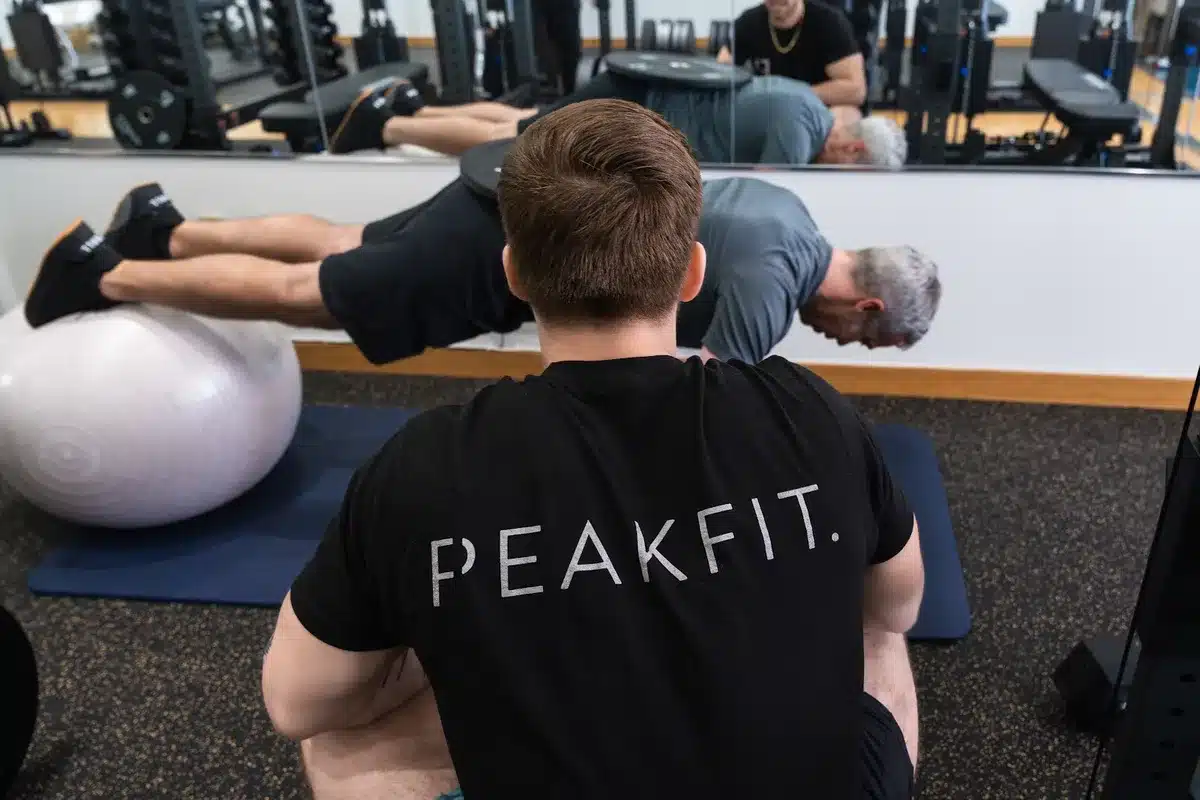
Joint-friendly strength training offers additional benefits beyond what aerobic exercise provides. Resistance exercises help build lean muscle mass, which increases your metabolic rate and improves your body’s ability to process cholesterol and other fats. The combination of aerobic and strength training creates the most comprehensive approach to cholesterol management.
Research published in the American Journal of Cardiology found that people who combined regular aerobic exercise with strength training twice weekly saw greater improvements in their cholesterol profiles compared to those who only did aerobic exercise. This finding highlights the importance of a holistic fitness approach that includes consistent weight lifting.
Creating Your Cholesterol-Friendly Exercise Plan
Developing an effective exercise routine for cholesterol management involves balancing frequency, intensity, and variety. The American Heart Association recommends at least 150 minutes of moderate-intensity aerobic activity per week, which breaks down to about 30 minutes five days per week. You can also achieve benefits with 75 minutes of vigorous activity weekly.
Start conservatively if you’re new to exercise or haven’t been active recently. Week one might involve 15-minute walks three times per week. Week two could increase to 20-minute sessions four times weekly. This gradual progression allows your cardiovascular system to adapt safely while building sustainable habits.
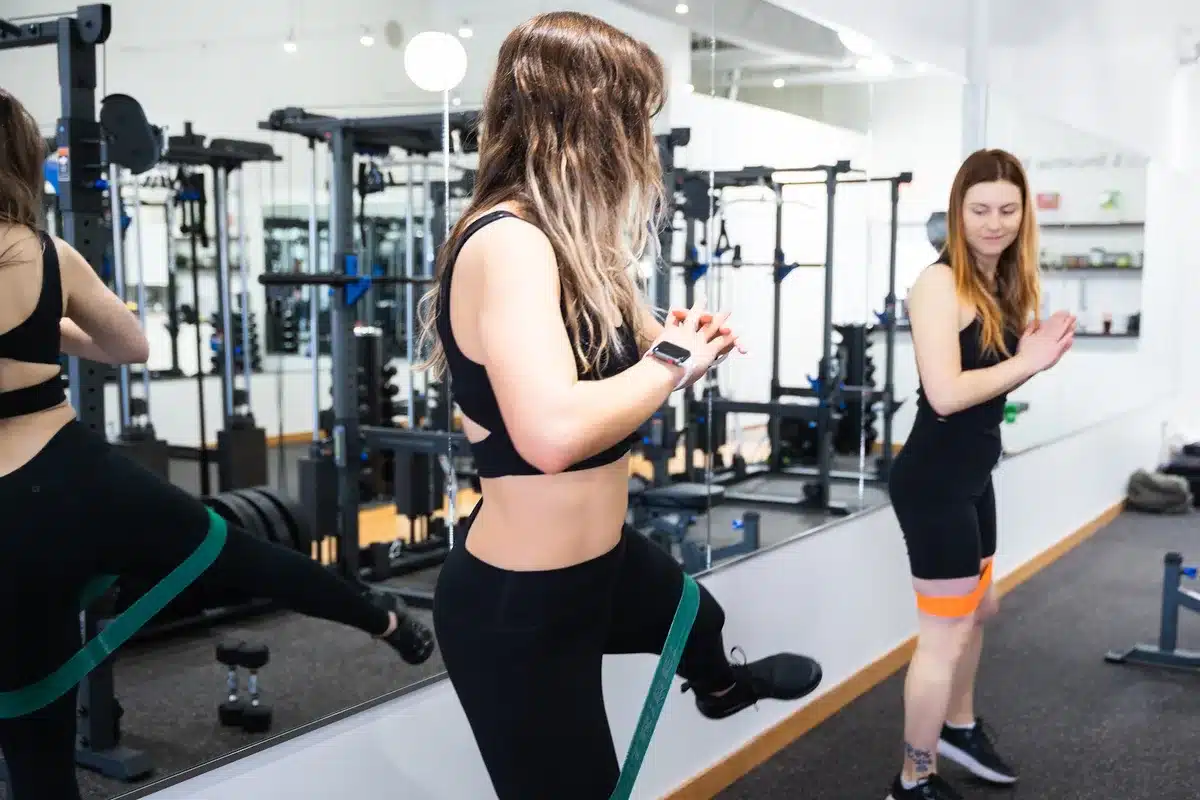
Include strength training exercises at least twice weekly, focusing on all major muscle groups. You don’t need heavy weights to see benefits. Bodyweight exercises, resistance bands, or light dumbbells can provide effective strength training while minimizing injury risk. Adults returning to activity after time away should review how to come back to training after a long break without getting hurt, as many cholesterol-management programs begin after years of inactivity.
Dr. Sarah Williams, an exercise physiologist at Duke University, notes: “The key to successful cholesterol management through exercise is consistency rather than intensity. We see better long-term results from patients who exercise moderately but regularly compared to those who exercise intensely but sporadically.”
Special Considerations and Precautions
While exercise is generally safe for people with high cholesterol, certain situations require extra caution and medical supervision. If you have additional cardiovascular risk factors like diabetes, high blood pressure, or a family history of heart disease, work closely with your healthcare provider to develop an appropriate exercise plan. The Occupational Safety and Health Administration provides workplace health guidance that may be relevant for maintaining activity during your workday.
Some cholesterol medications, particularly statins, can occasionally cause muscle-related side effects. If you experience unusual muscle pain, weakness, or fatigue during or after exercise, consult your doctor immediately. These symptoms could indicate a rare but serious medication side effect that requires prompt attention.
Pay attention to warning signs during exercise that might indicate cardiovascular stress. Stop exercising and seek medical attention if you experience chest pain, severe shortness of breath, dizziness, nausea, or unusual fatigue. These symptoms don’t necessarily mean you can’t exercise, but they require professional evaluation.
Consider working with qualified fitness professionals who understand the unique needs of people with health conditions. Finding a personal trainer in Asheville who specializes in adults 40 and older ensures you exercise safely while maximizing the cholesterol-lowering benefits of physical activity. Professional trainers can modify exercises based on your limitations and help you progress appropriately.
Frequently Asked Questions
How quickly will exercise lower my cholesterol?
Most people see initial improvements in cholesterol levels within 6-8 weeks of starting regular exercise. Significant changes typically occur after 3-6 months of consistent activity. HDL cholesterol often responds faster than LDL levels, with improvements sometimes visible in just a few weeks. Learn more about cholesterol from Wikipedia’s comprehensive overview of cholesterol.
What types of exercise work best for lowering cholesterol?
Aerobic exercises like walking, swimming, cycling, and dancing provide the most direct cholesterol benefits. Adding functional strength training movements 2-3 times weekly enhances results. The best exercise is one you enjoy and will do consistently long-term.
Can exercise replace cholesterol medication?
Exercise can significantly improve cholesterol levels, but never stop taking prescribed medications without consulting your doctor. Many people find that regular exerc





Luxury Personal Trainer Asheville NC: High-Touch Fitness Coaching
Key Takeaways A luxury personal trainer in Asheville NC delivers a fundamentally different experience from a standard gym membership: individualized
Functional Movement Training Asheville NC: Move Better, Live Longer
Key Takeaways Functional movement training focuses on the patterns your body uses every day, such as bending, reaching, carrying, and
Senior Fitness Training Asheville NC for Adults 60 and Up
Key Takeaways Senior fitness training in Asheville NC addresses the specific physical changes that come with aging, including muscle loss,