


Key Takeaways
Strength training after 50 builds bone density, prevents muscle loss, and maintains independence. Start slowly with proper form and progress gradually for lasting results.
- Women lose 3-8% of muscle mass per decade after age 30, accelerating after menopause
- Resistance training increases bone density by 1-3% annually in postmenopausal women
- Proper form matters more than heavy weights, especially when starting later in life
- Consistent twice-weekly sessions produce significant strength gains within 8-12 weeks
- Working with qualified trainers reduces injury risk and builds confidence
Why Strength Training Becomes Critical After 50
Your body changes significantly during and after menopause. Declining estrogen levels accelerate bone loss and muscle deterioration. Without intervention, these changes lead to increased fall risk, fractures, and loss of independence. Our strength training during menopause guide details how resistance training directly counters these effects by stimulating bone formation and preserving muscle tissue. According to CDC physical activity guidelines, adults need muscle-strengthening activities at least twice weekly for optimal health. The National Institute on Aging reports that regular resistance training can reverse age-related muscle loss within months, not years.
Starting Safely When You’re New to Weights
Many women over 50 feel intimidated by weight rooms filled with complicated machines and younger athletes. This anxiety is completely understandable and absolutely valid. The key is starting with bodyweight movements and light resistance before progressing to heavier loads. Chair stands, wall pushups, and resistance bands provide excellent starting points. Exploring best gym alternatives in Arden, NC for adults over 40 reveals that small studios offer personalized attention without the chaos. According to National Institute on Aging exercise recommendations, beginners should focus on learning proper movement patterns before adding weight. Form always trumps intensity, especially when building a foundation for long-term success. Consider working with a trainer initially to establish safe movement habits.
Essential First Steps
Begin with a medical clearance if you have health conditions or take medications. Our corrective exercise assessment guide explains why proper evaluation matters before starting any program. Start with 2-3 exercises per session, focusing on major muscle groups. Practice movements without weights first, then add light resistance gradually. Rest days between sessions allow muscles to recover and strengthen.

Building Bone Density Through Progressive Loading
Osteoporosis affects 25% of women over 65, making bone health a primary concern for strength training programs. Weight-bearing exercises create mechanical stress that stimulates bone formation. This process requires progressive overload, meaning gradually increasing resistance over time. However, progression doesn’t mean rushing into heavy weights. Small increases every few weeks allow bones and connective tissues to adapt safely. The International Osteoporosis Foundation emphasizes that impact and resistance exercises provide the greatest bone benefits. Multi-joint movements like squats and modified deadlifts engage multiple bone sites simultaneously. Consistency matters more than intensity when building skeletal strength over months and years.
Addressing Common Concerns and Misconceptions
“I don’t want to get bulky” remains the most frequent concern among women starting strength training. This fear is unfounded after menopause when hormone levels make significant muscle growth extremely difficult without years of dedicated training. Instead, strength training creates lean, functional muscle that improves daily activities like carrying groceries or climbing stairs. Another misconception involves age-related limitations. According to American College of Sports Medicine position statements, adults can build strength well into their 80s and beyond. Joint pain often improves with proper strengthening of surrounding muscles. Some women worry about time commitments, but effective sessions last just 30-45 minutes twice weekly. The National Strength and Conditioning Association reports that minimal effective doses of resistance training still produce meaningful health benefits.
Managing Health Conditions and Modifications
Many women over 50 manage arthritis, osteoporosis, or other conditions that require exercise modifications. These conditions don’t eliminate strength training options but do require thoughtful program design. Arthritis often improves with gentle resistance exercises that strengthen muscles around affected joints. Range-of-motion limitations can be accommodated with seated exercises or modified positions. Post-surgical clients need clearance and specific restrictions honored during early recovery phases. Blood pressure medications may affect heart rate responses to exercise. Working with qualified professionals ensures programs respect medical limitations while maximizing safe benefits. Many conditions actually improve with appropriate strength training rather than complete activity avoidance.
Special Considerations for Common Conditions
Diabetes management improves with muscle mass increases that enhance glucose uptake. Heart conditions require careful monitoring but rarely prohibit all resistance training. Osteoporosis benefits from weight-bearing exercises while avoiding spinal flexion movements.
Creating Sustainable Habits and Long-Term Success
Sustainability trumps intensity for women building strength after 50. Aggressive programs often lead to burnout or injury, derailing progress for weeks or months. Start with two sessions weekly, focusing on consistency rather than perfection. Choose exercises you can perform confidently and progress gradually. According to American Heart Association recommendations, adults need regular muscle-strengthening activities for cardiovascular health benefits beyond aerobic exercise. Environmental factors matter too. Crowded gyms with loud music and intimidating equipment don’t suit everyone’s preferences or comfort levels. Small group training for adults over 40 often provides more supportive atmospheres for beginners than traditional gym settings. Track progress through functional improvements like stair climbing or carrying capacity rather than just weight increases.
Frequently Asked Questions
How Often Should Women Over 50 Do Strength Training?
Start with two sessions per week, allowing at least one day of rest between workouts. This frequency provides sufficient stimulus for strength gains while permitting adequate recovery. You can progress to three sessions weekly after several months of consistent training.
What Weight Should I Start With as a Beginner?
Begin with bodyweight exercises or weights that allow 12-15 repetitions with good form. If you can’t complete 8 repetitions, the weight is too heavy. If you can easily do 20 repetitions, increase the resistance slightly.
Can Strength Training Help With Menopause Symptoms?
Yes, resistance training can reduce hot flashes, improve sleep quality, and boost mood through endorphin release. It also counteracts metabolism slowdown and muscle loss associated with hormonal changes during menopause.
Is It Safe to Strength Train With Osteoporosis?
Weight-bearing exercises are beneficial for osteoporosis when performed correctly. Avoid spinal flexion movements and high-impact activities. Focus on exercises that load bones safely while strengthening supporting muscles. Always work with qualified professionals initially.
How Long Before I See Results From Strength Training?
Neurological adaptations begin within 2-3 weeks, improving coordination and confidence. Visible muscle changes typically appear after 6-8 weeks of consistent training. Functional improvements like easier stair climbing often occur within the first month.
Should I Do Cardio or Strength Training First?
Perform strength training first when doing both in the same session. This ensures you have adequate energy for proper form and progressive overload. Our nutrition timing for strength after 40 guide explains how proper fueling supports both types of exercise. Light cardio as a warmup is beneficial, but save longer cardio sessions for separate days.
What if I Have Joint Pain During Exercises?
Distinguish between muscle fatigue and joint pain. Sharp or persistent joint pain requires exercise modification or medical evaluation. Muscle soreness is normal, but joint discomfort often indicates improper form or inappropriate exercise selection for your current condition.
Take Your First Step Toward Stronger Years Ahead
Starting strength training after 50 doesn’t require dramatic lifestyle changes or intimidating gym environments. Small, consistent steps build the foundation for years of independence and vitality. You deserve personalized attention that respects your unique needs, medical history, and comfort level. Many women in our South Asheville community have discovered that proper strength training actually reduces daily aches and pains while building confidence for activities they love. Personal training for beginners provides the foundation for safe, effective movement patterns. The investment in your future self starts with a single session focused on learning safe, effective movement patterns. Book Your Free Consultation at peakfit.studio/free-consultation/ or call (828) 620-7020





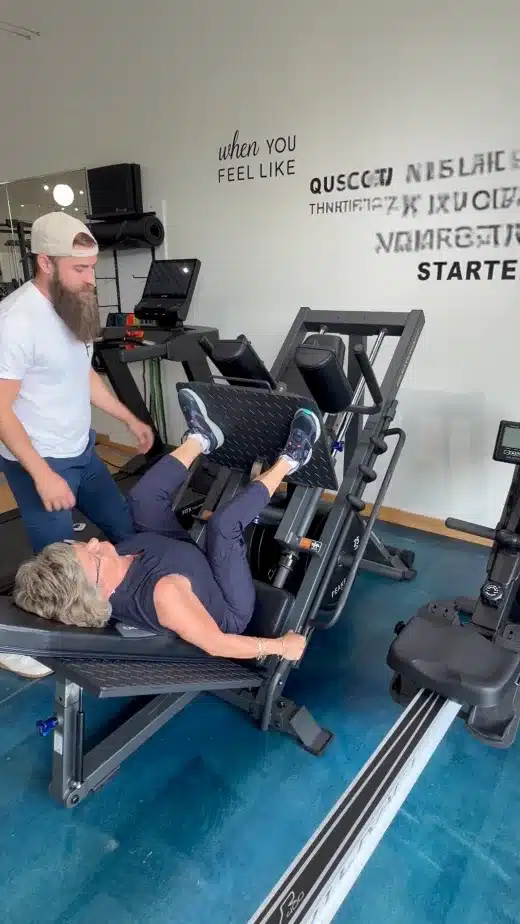


Marilyn’s Story: At 82, She Joined PEAKFIT to Lift Her Own Carry-On
Arden’s Only Private Personal Training Studio for Adults 40+ Marilyn had a very specific goal when she walked into PEAKFIT
Antioxidants and Exercise: Why Adults Over 40 Need More (and Where to Get Them)
Arden’s Only Private Personal Training Studio for Adults 40+ Every time you exercise, your body produces free radicals — unstable
Asheville Mountain Lifestyle Fitness That Supports Your Adventures
Key Takeaways Living an active mountain lifestyle in Asheville means your fitness needs to keep up with you, not the