

Key Takeaways
|

If you’ve spent years away from the gym, or never really had a structured fitness routine to begin with, the idea of starting at 60 can feel like you’ve missed a window. You haven’t. The research is clear, and so is the experience of trainers who work with this age group every day: your body can still build muscle, improve balance, and get measurably stronger, regardless of where you’re starting.
The bigger challenge usually isn’t physical capacity. It’s knowing where to begin, how to do it safely, and how to stay consistent long enough to see the results that make it worth continuing. This guide is for adults in the Asheville, Arden, and Hendersonville area who are ready to take that first step, or who have tried before and want to finally do it right.
Starting Over at 60 – A Practical Guide to Getting Back Into Shape
Why Starting at 60 Is Different From What You Expect
Most people walking through the door of a fitness studio at 60 carry one of two assumptions. Either they think their body is too far gone to respond to training, or they assume they’ll need to work twice as hard as younger clients just to keep up. Both assumptions are wrong.
A 2024 study published in the International Journal of Sport Nutrition and Exercise Metabolism followed adults aged 65-75 and adults aged 85 and older through 12 weeks of structured resistance training. Both groups saw quadriceps muscle size increase by roughly 10-11% and leg extension strength jump by 38-46%. The researchers found no significant differences between the two age groups in how they responded to training. In other words, your muscles don’t know how old you are. They respond to the right stimulus.
The other piece of context worth knowing: more than 85% of U.S. adults 65 and older are not meeting the recommended guidelines for both aerobic and strength training, according to the CDC (2024). That means most people your age are exactly where you are. The gap between where you are now and where you want to be is smaller than it feels, and it’s entirely closeable.
What the Research Says About Exercise After 60
The case for starting, or restarting, a fitness routine after 60 is backed by decades of research. A systematic review and meta-analysis in the British Journal of Sports Medicine found that even a low dose of moderate-to-vigorous physical activity reduces mortality risk by 22% in adults aged 60 and older. That’s not a marginal benefit. That’s comparable to the effect of several common medications, without the side effects.
On the physical side, consistent strength training in people 60 and older has been linked to an average 7 mmHg drop in systolic blood pressure and a 4 mmHg drop in diastolic blood pressure (Mayo Clinic Press, 2024). It supports bone density, which matters because bone loss accelerates significantly in this decade. It reduces fall risk, improves balance, and makes the basic mechanics of daily life, getting up from a chair, climbing stairs, carrying groceries, noticeably easier.
On the mental side, a 2023 study involving nearly 1,500 adults aged 60 and older found that as little as 15 minutes of physical activity per day measurably improved quality of life, including mood, self-esteem, and sleep quality. The connection between regular movement and reduced anxiety and depression is well-established at this age, and it shows up quickly once people get consistent.
And if you’re thinking about the long game, a 2025 meta-analysis of 37 studies across 13 countries found that strength training has the strongest effect on cognitive function in older adults of any exercise modality. The integrated training approach that pairs physical training with recovery and nutrition gives those cognitive benefits additional support.
The Real Barriers to Getting Started (And How to Work Through Them)
Most people don’t struggle with motivation in the abstract. They struggle with the practical realities of getting started: not knowing where to begin, worrying about injury, feeling self-conscious, and having tried before without seeing results. Here’s how each of those barriers actually looks in practice, and what changes when you have the right support.
Not Knowing Where to Begin
The internet has no shortage of workout plans for seniors, but generic programs don’t account for your specific history. Maybe you had a knee replacement three years ago. Maybe you’ve been sedentary for a decade, or you’ve been walking regularly but never done any resistance training. Maybe you have high blood pressure or type 2 diabetes that needs to factor into the intensity of your sessions.
This is exactly why a proper intake and assessment is the right starting point. At PEAKFIT Studio, every client begins with a free consultation and InBody scan that gives trainers a precise picture of your body composition, your starting point, and where the programming needs to be built from. That information makes every subsequent session more effective and far safer.
Fear of Injury
It’s a reasonable concern. You’ve heard the stories. Someone your age throws out their back or hurts a knee the first week at the gym. What usually causes that isn’t the exercise itself; it’s the combination of bad form, too much weight too soon, and no one watching to catch it before something goes wrong.
Proper form coaching and progressive load management, starting at an appropriate intensity and building gradually over weeks, dramatically reduces that risk. In fact, a review cited by Norton Healthcare (2024) notes that low-impact exercises done under proper guidance with gradual progression significantly reduce injury risk for older adults, including those returning after a long break.
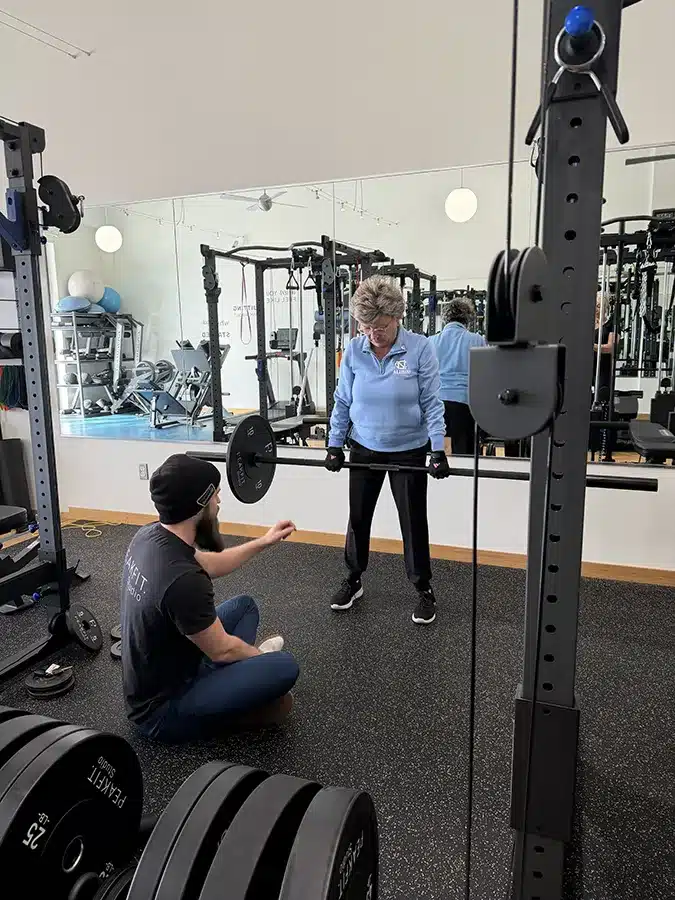
PEAKFIT’s trainers, particularly Ariel Reece, who regularly works with clients managing specific physical limitations, specialize in this kind of adaptive programming. One of PEAKFIT’s clients with back issues specifically credited Ariel with designing a plan that worked around the limitation rather than ignoring it. That’s the standard, not the exception. Learn more about the team’s coaching approach at what makes PEAKFIT’s trainers different.
Inconsistency and Starting Over
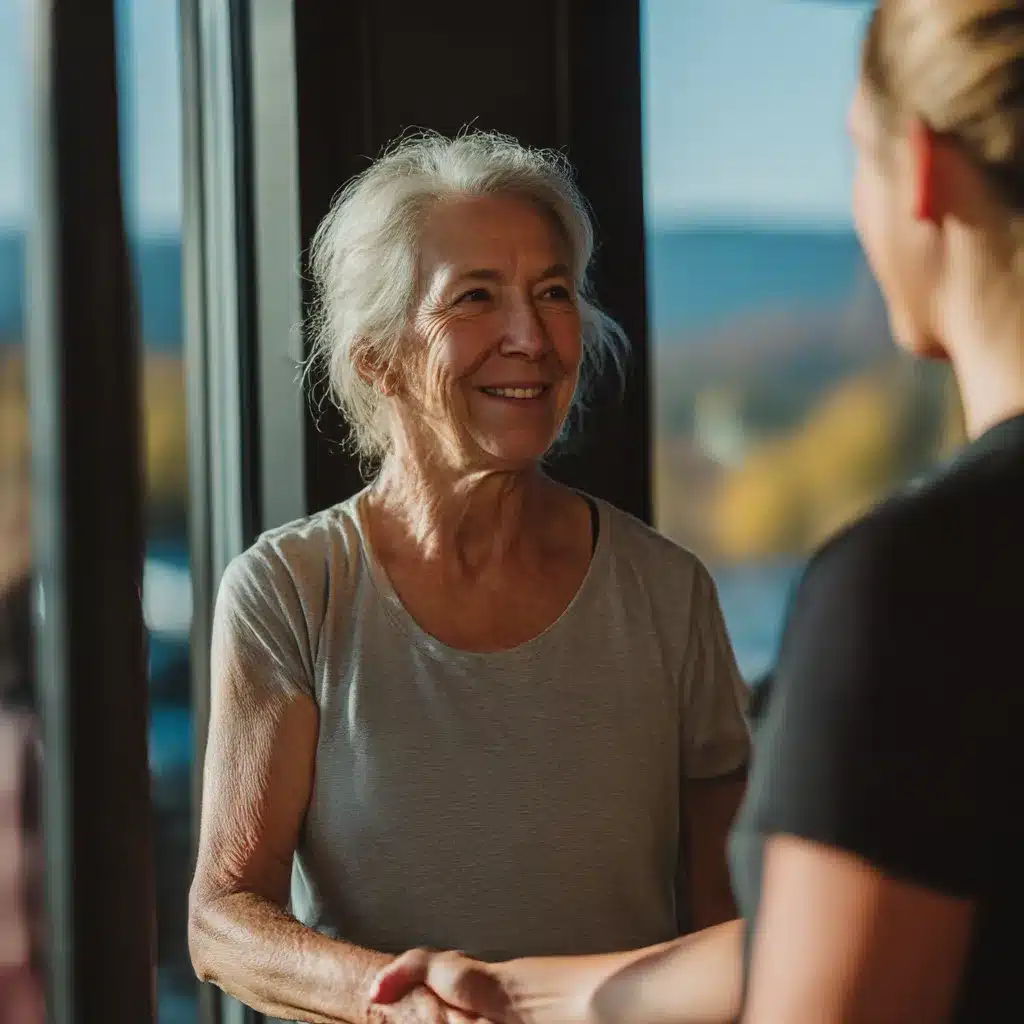
Of all the things clients mention when they walk in the door, inconsistency is the most common theme. They’ve started before. They’ve had good weeks and then missed a few and let it spiral. Life gets busy. Energy flags. Without accountability, it’s easy to let the gap between workouts grow longer until it stops being a gap and becomes a full stop.
This is one of the clearest arguments for working with a personal trainer rather than going it alone. The scheduled session is a commitment. Someone is expecting you. Your progress is being tracked. A trainer notices when something’s off and adjusts accordingly. PEAKFIT’s small group training sessions add another layer here, with a small community of people at similar stages who show up for each other in a way that’s harder to replicate solo.
What Getting Started Actually Looks Like at PEAKFIT Studio
A lot of people picture walking into a gym and being handed a program that assumes they’re already fit. PEAKFIT is set up differently, particularly for adults who are starting fresh or returning after years away.
Step 1: The Free Consultation and InBody Assessment
The first session costs nothing and commits you to nothing. It’s a conversation about your goals, your history, and your current state, paired with an InBody scan that gives an accurate read on muscle mass, body fat, and body composition at the baseline. From that, the trainers can design something that actually matches where you are, not where they assume you are.
Step 2: Weeks 1 to 4 — Building the Foundation
The early weeks are not about intensity. They’re about movement quality: learning proper form, understanding how your body responds to the exercises, and building the neural pathways that make subsequent sessions more effective. Expect sessions to feel manageable, not brutal. That’s intentional. Muscles adapt through consistency over time, not through one heroic workout that leaves you too sore to walk for a week.
If you’ve been largely sedentary, your body composition will begin shifting within the first few weeks. The National Institute on Aging notes that strength and function improvements are observable in most people after six to eight weeks of consistent training, even those starting in their 70s and 80s.
Step 3: Weeks 5 to 12 — Building Momentum
Once the foundation is set, the program can progress. Loads increase, complexity builds, and the work becomes more targeted toward your specific goals, whether that’s functional strength for hiking the Blue Ridge Parkway trails, better balance to prevent falls, improved body composition, or just having enough energy to do the things you enjoy without feeling depleted afterward.
Nutrition plays a significant supporting role here. Most adults in this age group are under-consuming protein, which directly affects the muscle-building response to training. PEAKFIT’s personalized nutrition counseling addresses this as part of the integrated approach, rather than treating food as an afterthought to the workout.
Recovery: The Part Most People Skip
Recovery takes longer at 60 than it did at 40. That’s not a limitation to fight; it’s a reality to plan around. PEAKFIT’s recovery services, including infrared sauna and red light therapy, are specifically structured to support the kind of healing and adaptation that makes consistent training possible over months and years rather than just weeks. If you’re curious about how a holistic fitness approach combines training and recovery, that article breaks it down in more detail.
What to Look for in a Personal Trainer if You’re Over 60
Not every trainer has experience working with adults in their 60s and beyond. When you’re evaluating your options, the Asheville personal training guide is worth reading for the full picture, but a few specific things matter at this stage of life.
- They ask about your health history before recommending anything, not after.
- They modify exercises for your body, rather than expecting your body to conform to a standard program.
- They explain the purpose of each exercise. Understanding why you’re doing something matters for long-term buy-in.
- They take recovery seriously. A trainer who pushes everyone to their absolute limit every session isn’t right for this stage of training.
- They track your progress over time, not just in terms of weight on the bar, but in terms of how you’re moving, how you’re sleeping, and how you feel outside of sessions.
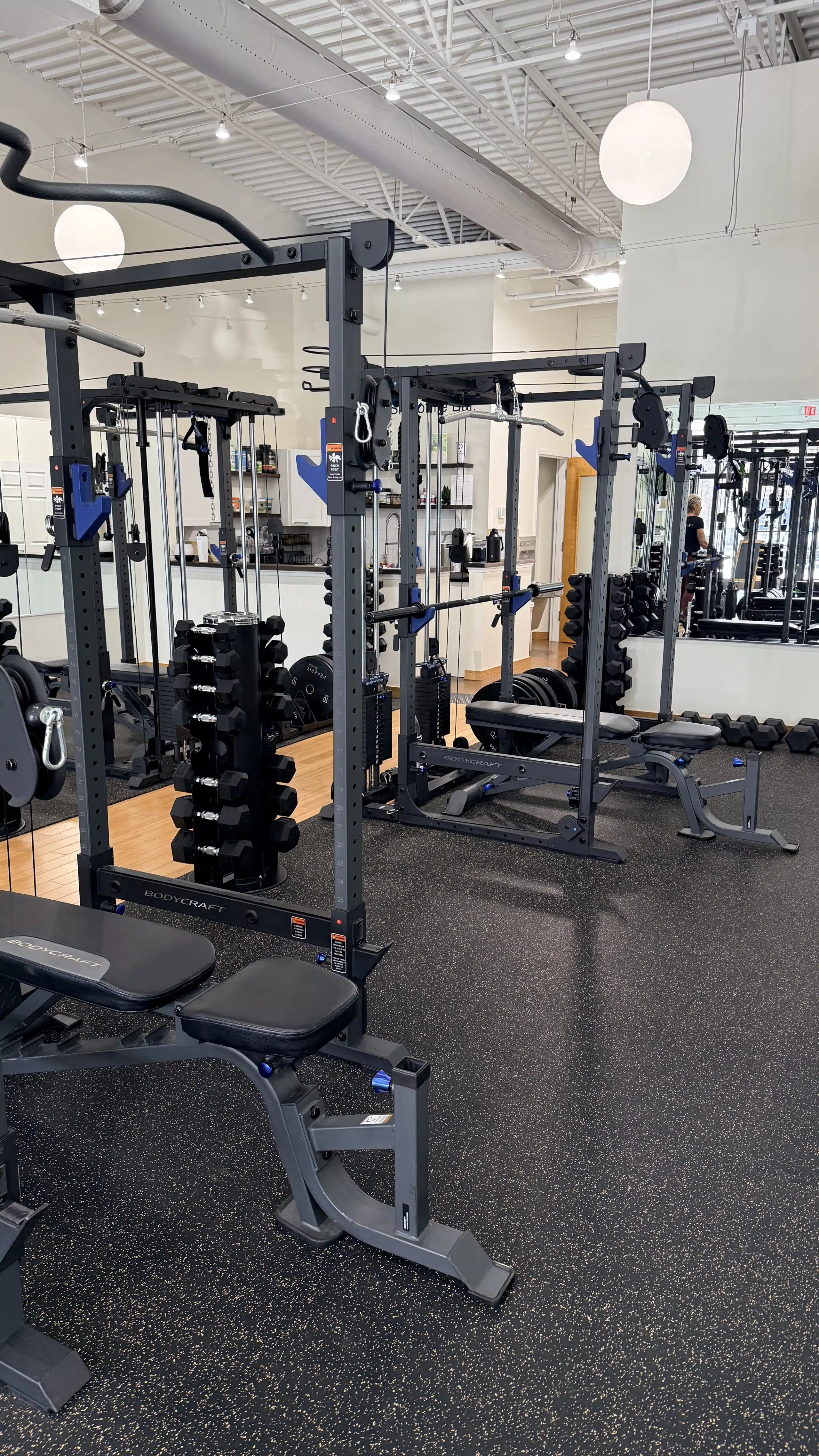
At PEAKFIT Studio in Arden, the trainers meet clients where they are, regardless of age or starting point. The studio was designed to be the opposite of the crowded, anonymous gym environment that makes so many people feel unwelcome. Private training stations, a non-intimidating layout, and a team that genuinely cares whether you show up, that combination makes a real difference for clients who’ve bounced off other fitness environments in the past.
Summary
|
Frequently Asked Questions
Is it safe to start strength training at 60 with no prior experience?
Yes. Research consistently shows that adults in their 60s, 70s, and even 80s can safely begin resistance training with measurable improvements in strength and muscle mass. The key is starting at an appropriate intensity with proper form guidance, which is exactly what a qualified personal trainer provides. A baseline assessment at the start helps identify any health factors that should shape the program.
How long will it take to see results once I start?
Most adults notice functional improvements, better energy, easier movement, and improved mood, within the first two to four weeks of consistent training. Visible changes in muscle tone and body composition typically become apparent after six to twelve weeks. Research published in the International Journal of Sport Nutrition and Exercise Metabolism (2024) found meaningful muscle gains in just 12 weeks for adults aged 65 and older, which aligns with what most PEAKFIT clients experience.
How many days per week should I train at 60?
The CDC recommends that adults 65 and older get at least 150 minutes of moderate-intensity aerobic activity per week, along with two or more days of muscle-strengthening activity. For most people starting out, two to three guided sessions per week is the right range. PEAKFIT trainers will recommend a specific frequency based on your goals, starting point, and what your schedule can realistically support.
What if I have a chronic condition like arthritis, high blood pressure, or diabetes?
These conditions are common in this age group and they don’t prevent you from training. They do mean your program needs to be designed with them in mind. The CDC specifically notes that regular physical activity benefits older adults even those with arthritis, obesity, high blood pressure, and heart disease. At PEAKFIT, trainers review your health history before designing any program and adapt exercises accordingly.
Do I need to be fit already to start at PEAKFIT?
No. Many PEAKFIT clients start with little to no prior fitness experience, or are returning after years of inactivity. The free consultation is specifically designed to establish your actual starting point, not an assumed one. Programs are built from where you are, not from where the trainer thinks you should be.
Is personal training or small group training better for someone over 60?
Both work well, and the right choice depends on your personality, goals, and budget. One-on-one training offers maximum attention to form and individual progression, which can be valuable in the early weeks. Small group training at PEAKFIT adds a social and accountability dimension that many clients find equally motivating, while still keeping groups small enough for individualized coaching. Some clients do both.
What does the free consultation include?
PEAKFIT’s free consultation includes an InBody body composition scan, which measures muscle mass, body fat percentage, and distribution, along with an intake conversation about your goals, health history, and lifestyle. Based on that, the team outlines what a realistic program would look like for your specific situation. There’s no obligation to sign up. You can schedule your free consultation here.
Do you offer nutrition guidance for adults over 60?
Yes. Nutrition needs change significantly in the 60s, particularly around protein intake, which directly affects how well your body responds to resistance training. PEAKFIT offers personalized nutrition counseling and meal planning as part of the integrated approach. This isn’t a generic diet plan; it’s built around your training schedule, your goals, and your lifestyle.
Ready to Start in Asheville or Arden?
PEAKFIT Studio is at 100 Julian Lane, Suite 120, Arden, NC 28704, serving the greater Asheville, Arden, and Hendersonville area. The studio is open Monday through Friday, 6:00 AM to 8:00 PM, and Saturday, 8:00 AM to 6:00 PM.
Your first session is free: an InBody scan, a conversation about your goals, and a clear picture of what a program designed for you would look like. No pressure, no obligation. Schedule your consultation here, or contact the team directly at (828) 620-7020.





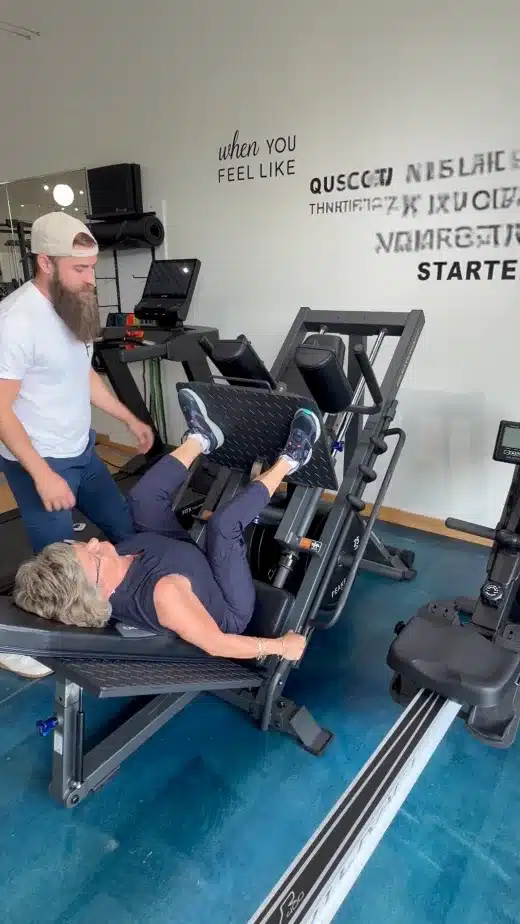


Marilyn’s Story: At 82, She Joined PEAKFIT to Lift Her Own Carry-On
Arden’s Only Private Personal Training Studio for Adults 40+ Marilyn had a very specific goal when she walked into PEAKFIT
Antioxidants and Exercise: Why Adults Over 40 Need More (and Where to Get Them)
Arden’s Only Private Personal Training Studio for Adults 40+ Every time you exercise, your body produces free radicals — unstable
Asheville Mountain Lifestyle Fitness That Supports Your Adventures
Key Takeaways Living an active mountain lifestyle in Asheville means your fitness needs to keep up with you, not the