

“`html

Key Takeaways
Exercise during chemotherapy can help manage side effects and improve quality of life, but requires careful planning with your medical team and a qualified fitness professional who understands cancer treatment protocols.
- Light to moderate exercise often helps with fatigue, mood, and treatment side effects when properly supervised
- Your oncology team must approve any exercise program before you begin
- Timing workouts around treatment cycles and blood counts is essential for safety
- Professional guidance helps avoid overexertion and injury during vulnerable periods
- Every person’s treatment response differs, requiring personalized exercise approaches
Understanding Exercise Benefits During Cancer Treatment
Cancer treatment creates unique physical and emotional challenges that make the question of exercise particularly complex. Research consistently shows that appropriate physical activity during chemotherapy can reduce fatigue, improve mood, maintain muscle mass, and enhance overall quality of life. However, the key word here is appropriate. Your body is working incredibly hard to heal, and exercise must support rather than compete with that process.
According to the National Cancer Institute, regular physical activity during treatment can help manage common side effects including nausea, anxiety, and sleep disturbances. The benefits extend beyond physical improvements to include better emotional resilience and a greater sense of control during an uncertain time. Yet these benefits only occur when exercise is carefully planned around your specific treatment protocol, current health status, and individual response to therapy.
Critical Safety Considerations Before Starting Any Program
Your oncology team must approve any exercise plan before you begin. This includes your oncologist, nurses, and any other specialists involved in your care. They understand your specific treatment protocol, current blood counts, and potential complications that could make certain activities risky. Never assume that because exercise is generally healthy, it’s automatically safe during your particular treatment phase.
Blood Count Monitoring
Chemotherapy affects your blood cells in ways that directly impact exercise safety. Low white blood cell counts increase infection risk, making crowded gyms dangerous. Low red blood cell counts reduce oxygen delivery to muscles, making you feel weak and dizzy during activity. Low platelet counts increase bleeding risk from even minor injuries. Your medical team monitors these levels regularly and can advise when exercise is safe versus when rest is needed.
Treatment Timing Factors
Most people feel worst during the first few days after chemotherapy infusion, then gradually improve until the next cycle. This pattern helps guide exercise timing. Light movement might be appropriate during recovery days, while rest may be necessary immediately post-treatment. Some people find gentle activity helps them feel better faster, while others need complete rest. Learning your body’s response pattern takes time and careful attention, and understanding why rest days are non-negotiable becomes especially critical during treatment cycles.
Safe Exercise Guidelines During Treatment
When your medical team approves exercise, start with much less intensity and duration than you might expect. Even if you were very active before diagnosis, chemotherapy changes your body’s capacity and recovery needs. Begin with 10-15 minutes of gentle activity and see how you feel over the following 24-48 hours. Fatigue that lasts more than a day suggests you need to reduce intensity or duration.
Low-Impact Activities to Consider
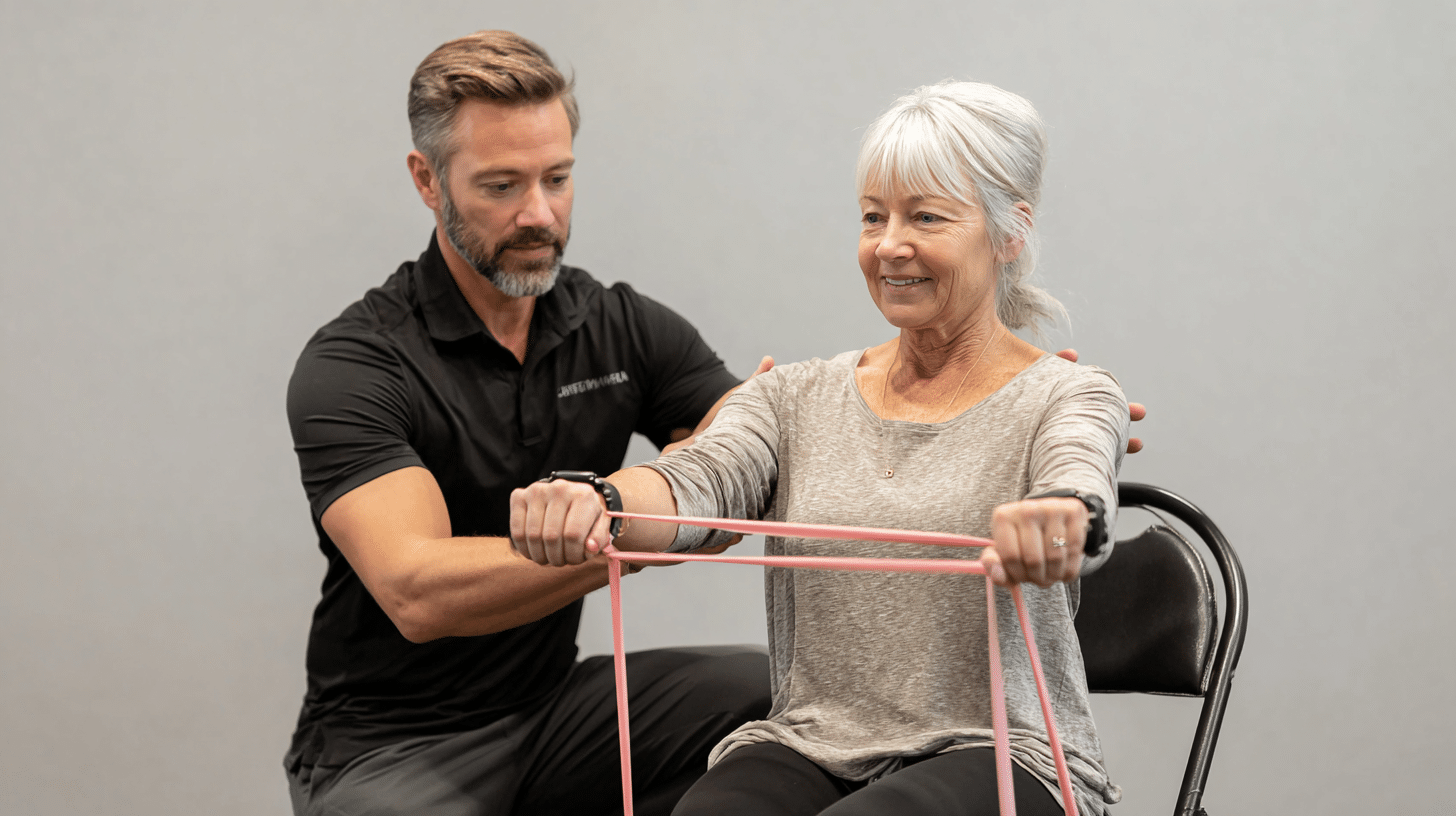
Walking remains one of the safest and most beneficial activities during treatment. Start with short distances and gradually increase as tolerated. Swimming can be excellent if your immune system allows pool exposure, but check with your team about infection risks. Gentle stretching and yoga help maintain flexibility and reduce treatment-related stiffness. Resistance training with very light weights can help preserve muscle mass, but requires professional guidance to avoid injury, and many of the principles behind joint-friendly strength training for adults over 40 apply directly to exercising safely during treatment.
According to research from the National Institutes of Health, patients who maintained light to moderate activity during treatment showed better physical function and fewer complications compared to those who became completely sedentary. The key finding was that benefits came from consistency rather than intensity.
Working With Qualified Fitness Professionals
Not every trainer understands the complexities of exercising during cancer treatment. Look for professionals with specific experience or certifications in medical fitness, cancer exercise, or working with clinical populations. They should ask detailed questions about your treatment protocol, current side effects, and medical team’s recommendations before designing any program.
A qualified professional will modify exercises based on your daily energy levels, help you recognize warning signs to stop activity, and communicate with your medical team when appropriate. They understand that some days you might feel strong enough for a longer walk, while other days gentle stretching is more realistic. This flexibility prevents the frustration and potential harm that comes from rigid exercise expectations, and it reflects the kind of individualized attention you get through small group personal training where coaches adapt programming to each person’s current capacity.
Red Flags That Require Immediate Medical Attention
Stop exercising immediately and contact your medical team if you experience chest pain, severe shortness of breath, dizziness, unusual fatigue that doesn’t improve with rest, fever, or any bleeding. These symptoms could indicate serious complications that require prompt medical evaluation. Trust your instincts—if something feels wrong, it probably is.
Emotional and Mental Health Benefits
Cancer treatment affects far more than your physical body. The emotional toll of diagnosis, treatment uncertainty, and physical changes can feel overwhelming. Gentle exercise often provides a sense of normalcy and control during a time when much feels beyond your influence. Many people find that movement helps process emotions and reduces anxiety about treatment outcomes.
Studies show that cancer patients who maintain some level of physical activity report better mood, improved sleep quality, and greater confidence in their body’s ability to heal. The psychological benefits can be just as important as the physical ones, contributing to overall treatment tolerance and recovery. However, exercise should feel supportive, not like another burden or obligation during an already challenging time.
For those dealing with treatment-related anxiety or depression, gentle movement can be particularly helpful when combined with appropriate professional support. The connection between exercise for anxiety and depression over 40 becomes even more relevant during medical treatment, though the approach must be much more conservative.
Special Considerations for Different Cancer Types
Breast cancer patients may have specific arm and shoulder mobility concerns, especially after surgery or radiation. Gentle range-of-motion exercises become particularly important, but must be introduced gradually and with proper guidance. Those who have completed primary treatment can often progress to more activity, and learning about exercise after breast cancer treatment can provide valuable long-term guidance, with many survivors finding that returning to training after a long break requires the same patient, progressive approach used during recovery from treatment.
“`







Marilyn’s Story: At 82, She Joined PEAKFIT to Lift Her Own Carry-On
Arden’s Only Private Personal Training Studio for Adults 40+ Marilyn had a very specific goal when she walked into PEAKFIT
Antioxidants and Exercise: Why Adults Over 40 Need More (and Where to Get Them)
Arden’s Only Private Personal Training Studio for Adults 40+ Every time you exercise, your body produces free radicals — unstable
Asheville Mountain Lifestyle Fitness That Supports Your Adventures
Key Takeaways Living an active mountain lifestyle in Asheville means your fitness needs to keep up with you, not the