
Exercise for Anxiety Relief Over 40: How Strength Training Calms Your Mind and Builds Your Body
If you are looking for real exercise for anxiety relief, strength training may be the most effective tool you have never tried. At Peak Fit Studio, we work with adults 40 and older across Asheville, Arden, South Asheville, Fletcher, Hendersonville, Mills River, Fairview, Skyland, Biltmore Forest, and surrounding WNC communities who want to feel better, move better, and live longer without white-knuckling their way through a crowded big-box gym. The research is clear, and the path forward is simpler than you think.
Key Takeaways
Strength training provides clinically proven benefits for anxiety and depression, often matching prescription medications in effectiveness while building the physical foundation you need for long-term health after 40.
- Resistance training reduces anxiety symptoms by 20-30% in adults over 40
- Weight lifting increases BDNF (brain-derived neurotrophic factor), which repairs and protects brain cells
- Small group training eliminates gym intimidation while providing expert guidance
- Even two sessions per week create measurable improvements in mood and sleep quality
- Strength gains build confidence that extends far beyond the gym
Why Your Brain Needs Weight Training After 40
Your doctor might have mentioned exercise for anxiety relief, but probably did not explain that strength training over 40 works differently than cardio for your brain. While running releases endorphins temporarily, lifting weights creates lasting structural changes in your brain chemistry. After 40, your brain produces less BDNF, a protein that maintains healthy brain cells and creates new neural connections. Resistance training reverses this decline more effectively than most other forms of exercise, which is why so many adults in Asheville and the surrounding WNC area find it life-changing when they finally try it in the right environment.
The difference is not just physical. When your brain chemistry stabilizes, your sleep improves, your stress response becomes more manageable, and the low-grade hum of anxiety that follows you through the day begins to quiet. This is not a motivational claim. It is how the neuroscience works, and it is what we see with our members week after week at Peak Fit Studio.
The Science Behind Strength Training and Mental Health
According to the Journal of Clinical Medicine, adults who performed resistance training twice weekly showed 23% greater reduction in depression scores compared to aerobic exercise alone. The mechanism works through multiple pathways: weight training increases norepinephrine and dopamine while reducing cortisol levels. Unlike the temporary mood boost from cardio, these neurochemical changes compound over weeks and months.
Dr. Brett Gordon, lead researcher at the University of Limerick, states: “Resistance training appears to reduce anxiety through both physiological and psychological mechanisms. The act of progressive overload teaches the brain that stress can be managed and overcome.” This becomes particularly important for adults in their 40s and beyond, when recovery patterns and hormone levels shift significantly. Research from the National Institutes of Health supports these findings on exercise and mental health outcomes.
What this means practically is that you do not need to train like an athlete to get meaningful relief. Two well-structured sessions per week, focused on foundational movement patterns, are enough to trigger the neurochemical shifts your brain is looking for. That is an accessible target for almost anyone, regardless of your current fitness level.
Why Big-Box Gyms Fail People Seeking Exercise for Anxiety Relief
Walking into a crowded gym when you are already struggling with anxiety feels like punishment, not medicine. The noise, the crowds, and the competitive atmosphere trigger the exact stress responses you are trying to reduce. Many adults in South Asheville and across WNC have told us they avoided exercise entirely rather than face another intimidating gym experience, which is exactly why most gyms in Asheville are not built for adults over 40.
There is a real irony in that dynamic. The very tool that could reduce your anxiety becomes inaccessible because the environment makes anxiety worse. Loud music, packed equipment, mirrors everywhere, and the subtle pressure of performing in front of strangers are not neutral features. For someone already managing stress or low mood, they are genuine barriers to entry.
Small group training changes this equation completely. Working with two or three other people in a quiet, supportive environment allows you to focus on your movement without distraction. You receive personalized attention while building connections with others who understand your challenges. This social component amplifies the mental health benefits of exercise itself. When you feel safe in your training environment, your nervous system can actually do the work it came there to do.
How to Start Safely When Depression or Fatigue Is Slowing You Down
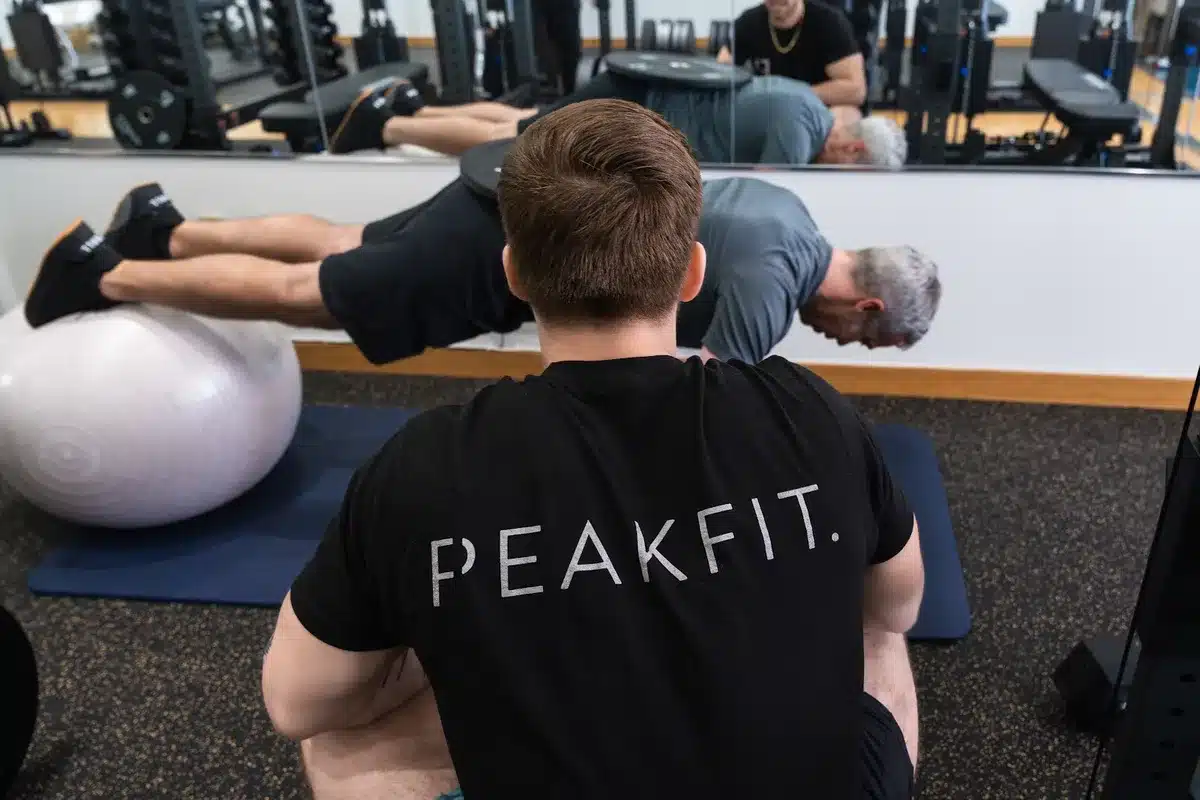
Depression often comes with fatigue that makes starting any exercise program feel overwhelming. The key is working with your energy levels, not against them. Begin with two 30-minute sessions per week focusing on basic movement patterns: squats, pushes, pulls, and carries. These are not complicated. They are the movements your body was designed to perform, and relearning them with good form creates an immediate sense of accomplishment that feeds directly back into your mood.
According to the American College of Sports Medicine and CDC guidelines, adults over 40 see significant mood improvements with just 60 to 90 minutes of resistance training weekly. You do not need to exhaust yourself to gain benefits. Proper nutrition timing helps sustain energy levels as you build consistency. Many members notice improved sleep within two weeks, which creates positive momentum for continued progress.
Starting slowly is not a compromise. It is the correct strategy. Your nervous system needs time to adapt, especially if you are managing chronic stress or mood challenges. Pushing too hard too soon creates soreness and discouragement that derail progress before the neurochemical benefits have time to build. A qualified coach helps you find the right starting point for your specific situation and keeps you from the most common mistake beginners make: doing too much, too fast, and quitting.
Building Consistency Without Burning Out
Start with bodyweight movements or light dumbbells. Focus on learning proper form rather than chasing intensity. Working with an experienced coach prevents the frustration of plateaus or injuries that derail progress. Sustainable consistency over six to eight weeks produces far better results, physical and mental, than two weeks of intense effort followed by a long break. This is a long-game approach to health, and it is exactly how we structure training at Peak Fit Studio.
How Strength Training Rebuilds Confidence Alongside Mood
Beyond brain chemistry, lifting weights gives you concrete evidence of your own capability. Each week you add weight or complete more repetitions, your brain records proof that you can handle increasing challenges. This is not a metaphor. The psychological mechanism is real, and it transfers to other areas of life where anxiety previously held you back.
For women over 40 dealing with hormonal changes, strength training provides stability during a time when everything feels uncertain. For men experiencing declining testosterone, resistance training naturally supports hormone production while improving mood regulation. The physical competence you build by lifting weights consistently becomes a foundation for mental resilience that no supplement or quick fix can replicate. Research on exercise and mental health continues to support these benefits across diverse populations.
Confidence built in the gym is not gym confidence. It is the quieter, more durable kind that shows up when you are managing a hard day at work, navigating a difficult conversation, or simply waking up and feeling ready instead of braced. That is what a consistent strength practice builds over time, and it is why our members in the Asheville area keep coming back long after they have hit their initial goals.
What to Expect From Exercise for Anxiety Relief at Peak Fit Studio
At Peak Fit Studio in Arden, we work exclusively with adults who are done with generic programs and crowded gyms. Our small group format keeps sessions intimate and focused. Every program is built around your specific starting point, your movement history, any past injuries or surgeries, and your goals. Nothing is assumed, and nothing is one-size-fits-all.
We serve adults throughout South Asheville, Asheville, Fletcher, Hendersonville, Mills River, Fairview, Skyland, Biltmore Forest, and the broader WNC region. If you have been burned by big-box gyms before, or if you have avoided exercise because the environments felt wrong for where you are physically and emotionally, this is a different experience. We take the clinical side of strength training seriously because we know how much is at stake for our members beyond just how they look.
Your free consultation is a real conversation, not a sales pitch. We want to understand what you are dealing with, what has not worked before, and what a genuinely sustainable approach looks like for you. From there, we build a plan that fits your life and supports your health for the long term.
Frequently Asked Questions
How quickly will I notice mood improvements from exercise for anxiety relief?
Most people experience better sleep within one to two weeks and noticeable mood improvements within four to six weeks of consistent training. The timeline varies based on your starting fitness level, the severity of symptoms you are managing, and how consistently you train. Sleep often improves first because resistance training reduces cortisol and regulates your circadian rhythm. Mood and anxiety relief follow as the neurochemical changes accumulate. Two sessions per week is enough to start seeing results, and most people find that the early sleep improvements make it easier to stay consistent long enough to feel the deeper benefits.
Can I do strength training if I am taking medication for anxiety or depression?
Yes, resistance training complements most mental health medications safely. In many cases, exercise amplifies the effectiveness of medication by working through overlapping neurochemical pathways. Always discuss new exercise programs with your healthcare provider, especially if you take blood pressure or heart medications, since some affect how your body responds to exertion. The NIH provides evidence-based guidance on managing anxiety disorders. A qualified trainer who understands adult health concerns will also ask about your medications during your initial assessment so your program accounts for any relevant considerations from the start.
What if I have never lifted weights before and feel intimidated?
Small group training at a specialized studio eliminates intimidation while ensuring proper form from your very first session. You will work alongside two or three others in similar situations, with an experienced coach present throughout every session. There is no performance pressure, no mirrors, and no one competing with you. The environment is calm by design because we understand that intimidation is one of the primary reasons adults over 40 avoid exercise in the first place. You do not need any prior experience. You just need to show up.
How does strength training compare to running for anxiety relief?
Both provide genuine benefits, but resistance training creates longer-lasting changes in brain chemistry while also building the muscle mass you need for healthy aging after 40. Running primarily releases endorphins, which are real but short-lived. Strength training increases BDNF, regulates dopamine and norepinephrine, and reduces cortisol in ways that compound over time. Running also carries a higher injury risk for adults with joint issues, mobility limitations, or a history of lower-body injuries. Strength training can be modified to almost any physical limitation, making it a more accessible long-term option for most adults in their 40s, 50s, 60s, and beyond.
Will I need to train every day to see mental health benefits?
No. Two to three sessions per week provide significant mood improvements, and overtraining can actually increase stress hormones and make anxiety worse. Consistency matters far more than frequency. The goal is a sustainable habit that your body and brain can adapt to over weeks and months, not a short-term push that burns you out. Rest days are part of the program, not a sign that you are not working hard enough. Your nervous system needs recovery time to integrate the changes that training stimulates, and honoring that process is what produces lasting results.
What if I have physical limitations or past injuries?
Qualified trainers who understand corrective exercise modify movements for any limitation. Many people with chronic pain, post-surgery recovery needs, or long-standing mobility issues find that proper strength training actually reduces discomfort over time while improving mood simultaneously. The key is working with a coach who takes your history seriously and designs your program around what your body actually needs right now, not a generic template. At Peak Fit Studio, every new member goes through an intake process that addresses exactly this so your program supports your health rather than working against it.
Can strength training help with anxiety attacks or panic disorders?
Regular resistance training helps regulate your nervous system and improves your ability to manage stress responses over time. For many adults, this means fewer anxiety spikes and a faster return to baseline after stressful events. However, severe panic disorders require professional mental health support alongside exercise, and strength training should be viewed as a complement to that care rather than a replacement. The CDC provides resources on mental health support options. If you are working with a therapist or psychiatrist, let them know you are adding a structured exercise program. Most will view it as a positive addition to your care plan.
How much does it cost to start strength training for mental health?
Investment varies based on your chosen approach. Personal training costs typically deliver both physical and mental health benefits that complement traditional therapy. Small group training at a specialized studio is generally more cost-effective than one-on-one personal training while still providing expert coaching and individualized attention. We encourage you to book a free consultation so we can walk you through exactly what a program at Peak Fit Studio involves and what it costs before you make any commitment.
Ready to Use Exercise for Anxiety Relief? Start Here.
Living with anxiety or depression after 40 does not have to mean accepting a diminished quality of life. The science is clear, and the path forward does not require grueling workouts, expensive equipment, or a gym that makes you feel worse before you even begin. Strength training offers a powerful, evidence-based approach to exercise for anxiety relief that builds your physical resilience at the same time. Whether you have struggled with traditional gym environments, felt too fatigued to start, or simply want to protect your brain health as you age, we can help you find a starting point that fits your life. Book Your Free Consultation at peakfit.studio/free-consultation/ or call (828) 620-7020.





Luxury Personal Trainer Asheville NC: High-Touch Fitness Coaching
Key Takeaways A luxury personal trainer in Asheville NC delivers a fundamentally different experience from a standard gym membership: individualized
Functional Movement Training Asheville NC: Move Better, Live Longer
Key Takeaways Functional movement training focuses on the patterns your body uses every day, such as bending, reaching, carrying, and
Senior Fitness Training Asheville NC for Adults 60 and Up
Key Takeaways Senior fitness training in Asheville NC addresses the specific physical changes that come with aging, including muscle loss,