


Key Takeaways
The holidays don’t have to derail your fitness progress. Smart strategies like flexible scheduling, realistic goals, and finding accountability partners help you stay consistent without sacrificing family time or seasonal joy.
- Plan shorter, more frequent workouts rather than skipping entirely
- Use holiday stress as motivation for movement that improves mood
- Focus on maintaining habits rather than achieving perfect results
- Build accountability through training partners or professional guidance
- Prioritize recovery and stress management during busy seasons
Why Holiday Fitness Motivation Feels So Hard
The holidays bring a perfect storm of challenges that can knock even dedicated fitness enthusiasts off track. Your schedule fills with parties, travel, and family obligations. Your routine gets disrupted. The weather turns cold and dark. Meanwhile, rich foods and drinks seem to appear everywhere, while your energy levels plummet from stress and shorter days.
For adults over 40, these challenges feel even more pronounced. Your metabolism has likely slowed compared to your younger years. Recovery takes longer. Stress affects your body differently. The weight you gain during the holidays doesn’t come off as easily as it once did. Add in the reality that many people in Arden and South Asheville are managing holiday travel, family dynamics, and end-of-year work deadlines, and it’s no wonder motivation crashes.
But here’s what the fitness industry won’t tell you: perfect consistency isn’t the goal during the holidays. Maintaining your foundation is. The strategies that work best aren’t about grinding through punishing workouts or restricting yourself from every holiday treat. They’re about staying connected to movement and making choices that support your long-term health goals.
Strategic Workout Planning for Holiday Success
The biggest mistake people make during the holidays is thinking they need to maintain their exact same workout schedule. When that becomes impossible, they give up entirely. A smarter approach involves adapting your routine to fit reality while keeping the habit alive.
Start by identifying your non-negotiable days and times. Maybe you can’t make it to the gym five days a week, but you can commit to three. Maybe your usual hour-long sessions need to become 30-minute focused workouts. The key is being honest about what you can actually maintain, then building your plan around that.
Consider splitting your workouts into shorter segments throughout the day. A 15-minute morning mobility session, a 20-minute strength circuit during lunch, and a 10-minute evening walk can be more sustainable than trying to block out a full hour when your schedule is packed. This approach also helps manage stress and energy levels throughout busy days, and aligns with research on optimal workout frequency after 50.
Weather and daylight changes in Western North Carolina make outdoor activities challenging during winter months. Having both indoor and outdoor exercise options prevents weather from becoming an excuse. A quick bodyweight routine in your living room works just as well as a gym session for maintaining strength and movement patterns.

Using Holiday Stress as Fitness Fuel
Holiday stress doesn’t have to be your enemy. Research consistently shows that regular physical activity is one of the most effective ways to manage stress and improve mental health. According to the NIH’s research on stress and health, exercise is a proven intervention for stress management. When you reframe exercise as stress relief rather than another obligation, motivation becomes easier to find.
According to research on the mind-body connection, adults who maintain some form of regular movement during stressful periods report better mood regulation and more resilience to holiday pressures. The key is choosing activities that feel restorative rather than depleting.
This might mean swapping high-intensity interval training for functional movement patterns when you’re feeling overwhelmed. Or choosing a brisk walk through your neighborhood instead of forcing yourself through a gym session you’re dreading. The movement matters more than the specific type or intensity.
Pay attention to how different types of exercise affect your mood and energy. Some people find that strength training helps them feel more grounded during chaotic times. Others discover that cardio helps them process stress and clear their minds. There’s no universal right answer, but there is a right answer for you.
Building Accountability During Busy Seasons
Accountability becomes crucial when motivation wavers, but it needs to be the right kind of accountability. Public declarations on social media or extreme challenges often backfire during the holidays because they add pressure rather than support.
Instead, focus on finding one or two people who understand your goals and can offer gentle encouragement. This might be a workout partner who agrees to meet for morning walks, a family member who joins you for home workouts, or a trainer who helps you modify your routine for the season.
Professional guidance during the holidays can be particularly valuable because it removes decision fatigue. When you’re already managing countless choices about food, gifts, and social obligations, having someone else plan your workouts eliminates one more thing to think about. Semi-private training offers the perfect balance of personalized attention and community support during challenging seasons.
Track your consistency rather than your performance. Instead of focusing on how much weight you lifted or how fast you ran, celebrate showing up. A simple calendar where you mark successful workout days provides visual proof of your commitment and helps maintain momentum when progress feels slow.
Nutrition and Recovery During the Holiday Rush
Holiday motivation isn’t only about workouts—what you eat and how you recover matter just as much. Adequate protein intake for adults over 40 becomes even more critical during stressful periods when muscle preservation is at risk. Sleep quality directly impacts strength training results, so prioritizing rest during the busy season pays dividends for your fitness goals.
According to CDC guidelines on sleep hygiene, maintaining consistent sleep schedules supports both physical recovery and mental health. Building simple nutrition habits that don’t require willpower gives you more mental energy for everything else on your plate.
Frequently Asked Questions
How often should I work out during the holidays?
Aim for consistency over intensity. Three focused 30-minute sessions per week will serve you better than attempting five hour-long workouts you can’t realistically maintain. The research on lifting weights 3 times per week shows this frequency maintains strength effectively while allowing adequate recovery.
What if I miss several days in a row?
One missed day doesn’t become a failed month unless you let it. Simply restart with your next planned workout without guilt or the need to “make up” for lost time. Understanding how to return to training after breaks helps you avoid injury and frustration. The science of detraining shows you maintain more fitness than you think during short breaks.
Should I change my workout routine during the holidays?
Absolutely. Flexibility is key to maintaining any routine during busy periods. Shorter workouts, bodyweight exercises, and stress-reducing activities like walking or yoga often work better than trying to maintain your regular high-intensity schedule. Small group training works exceptionally well during the holidays because it provides structure without requiring you to plan your own workouts.
How do I stay motivated when it’s cold and dark?
Focus on how exercise makes you feel rather than external goals. Your workouts are building a better brain, which has immediate benefits for mood and mental clarity during dark winter months. Seasonal affective disorder affects many people during winter, and regular movement is one of the most effective non-pharmaceutical interventions available.





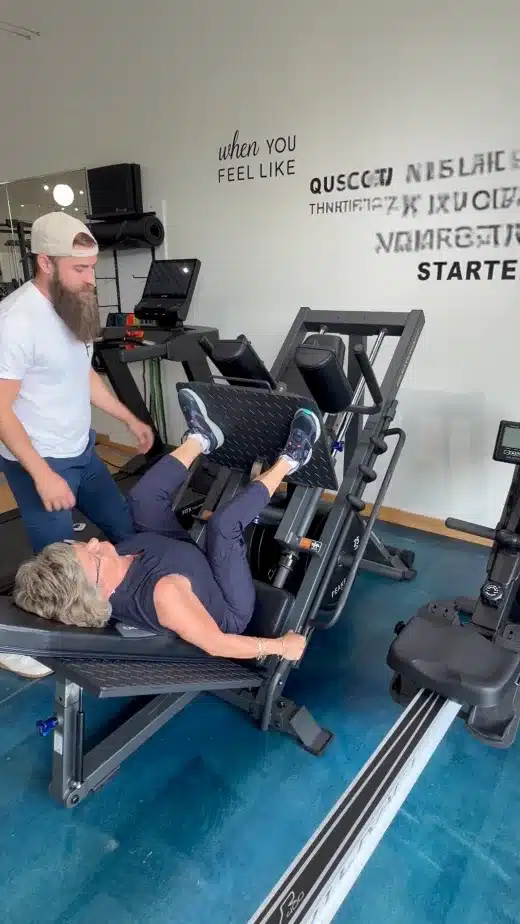


Marilyn’s Story: At 82, She Joined PEAKFIT to Lift Her Own Carry-On
Arden’s Only Private Personal Training Studio for Adults 40+ Marilyn had a very specific goal when she walked into PEAKFIT
Antioxidants and Exercise: Why Adults Over 40 Need More (and Where to Get Them)
Arden’s Only Private Personal Training Studio for Adults 40+ Every time you exercise, your body produces free radicals — unstable
Asheville Mountain Lifestyle Fitness That Supports Your Adventures
Key Takeaways Living an active mountain lifestyle in Asheville means your fitness needs to keep up with you, not the