

Key Takeaways
Functional strength training in Arden NC focuses on rebuilding real-world movement patterns, correcting muscle imbalances, and reducing chronic pain through targeted programming. Unlike generic gym routines, a coach-led functional approach identifies why your body moves the way it does and addresses those root causes systematically. Adults 40 and older may see meaningful improvements in posture, balance, and daily comfort within a matter of weeks of consistent, properly structured sessions.
- Functional strength training targets movement patterns, not just isolated muscles, making it more effective for pain relief and long-term mobility.
- InBody body composition scanning gives coaches objective data on muscle distribution and imbalances before programming begins.
- Theragun percussive therapy supports faster recovery and reduces the soreness that often derails consistency.
- One-on-one personal training allows coaches to identify and correct movement compensations that group classes routinely miss.
- Residents of Arden, South Asheville, and surrounding WNC communities benefit from programming designed for real daily demands, not athletic performance metrics.
- Correcting posture and gait issues through functional training can lower injury risk and reduce reliance on pain management strategies over time.
Why Functional Strength Training in Arden NC Addresses What Generic Workouts Miss
Functional strength training in Arden NC gives adults a structured, evidence-based method for rebuilding the movement quality that everyday life actually requires. Lifting groceries, climbing stairs, getting up from the floor, and standing at a work station for hours all demand coordinated strength across multiple muscle groups working together. Most gym programs train muscles in isolation, which produces results on a machine but leaves fundamental movement problems untouched. That gap is precisely where chronic pain, recurring injuries, and the creeping stiffness that many adults over 40 accept as normal actually live. A growing body of peer-reviewed research supports the effectiveness of functional movement training for improving daily function and reducing pain in aging populations.
The difference between functional training and conventional strength work comes down to specificity of demand. Functional programming asks the body to produce force while maintaining posture, controlling rotation, and stabilizing joints under load, which mirrors what real movement requires. A bicep curl strengthens one muscle in one plane. A single-leg Romanian deadlift with a core brace trains balance, hip hinge mechanics, posterior chain strength, and proprioception simultaneously. For adults dealing with lower back tension, hip tightness, or shoulder impingement, that distinction is not academic. It is the difference between feeling better in six weeks or spinning in the same painful cycle for another year.
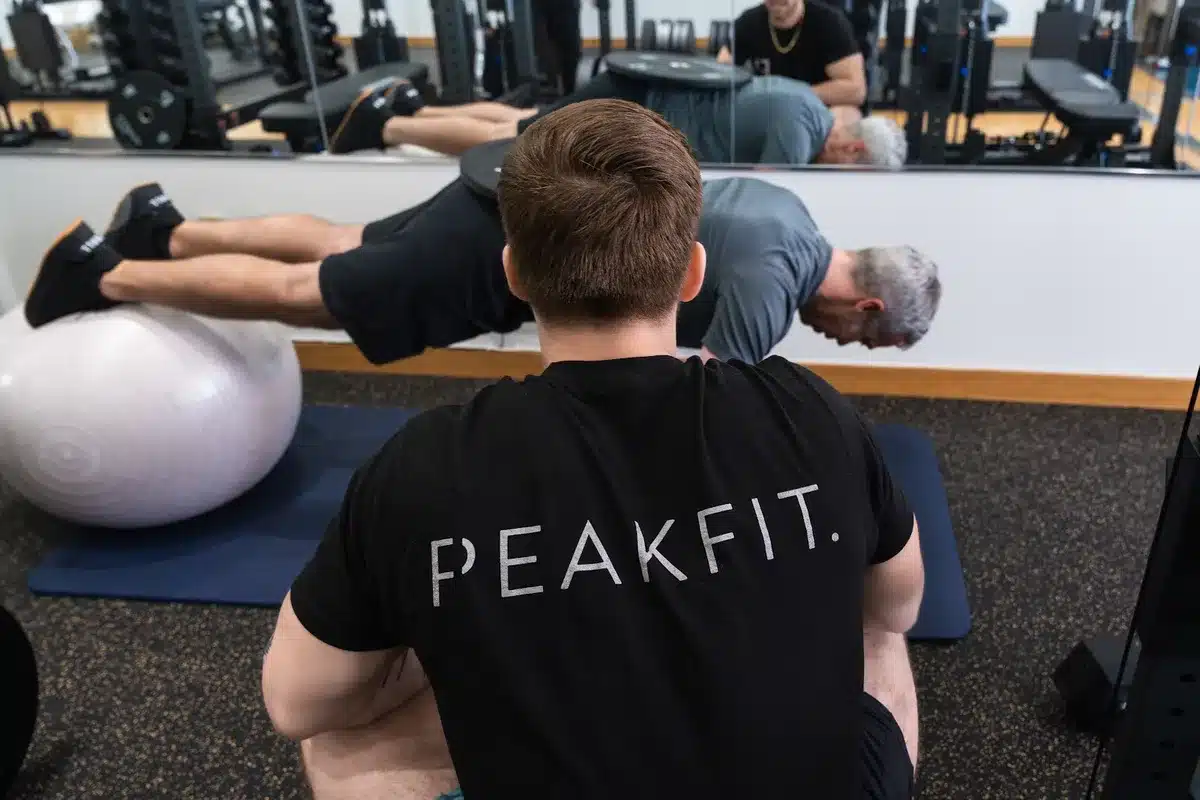
Peak Fit Studio, located in Arden, builds its one-on-one personal training model around exactly this principle. Coaches at the studio begin with a thorough movement assessment before writing a single line of programming, ensuring that the training addresses what each individual client actually needs rather than what a standardized template assumes they need.

How Movement Assessments Reveal the Root Cause of Pain and Compensation Patterns
A movement assessment identifies the specific mechanical reasons a person moves the way they do, which is the necessary first step before any functional strength program can work properly. Pain and dysfunction rarely originate at the site where they are felt. Lower back pain is frequently a symptom of limited hip mobility or weak glutes. Knee discomfort often traces back to ankle restriction or poor hip alignment. Shoulder impingement can reflect thoracic spine immobility rather than anything structurally wrong in the shoulder itself.
What does a functional movement screen actually measure?
A functional movement screen evaluates how a person performs fundamental patterns: the squat, the hinge, the push, the pull, the carry, and rotational control. Coaches observe range of motion, symmetry between sides of the body, stability under load, and the body’s tendency to compensate when a primary muscle group is underperforming. Common findings include one hip that rotates significantly less than the other, a core that disengages during overhead movements, or a forward head position that loads the cervical spine during every exercise performed. Each finding points toward a specific corrective and programming priority. Understanding these functional movement patterns for adults over 40 is essential before any serious programming can begin.
How does InBody scanning add objective data to the assessment?
InBody body composition scanning measures segmental lean mass and fat mass across each limb and the trunk independently. This gives coaches a precise look at whether a client’s left leg carries meaningfully less muscle than the right, or whether the upper body is significantly stronger relative to the lower body. These asymmetries are clinically relevant because the nervous system will always recruit stronger muscles to compensate for weaker ones, which is how compensation patterns develop and persist. Having that data in numbers rather than observation alone removes guesswork from program design. The InBody scan explained for adults over 40 shows exactly how this information shapes smarter, more targeted training decisions.
How long does a full assessment take before training starts?
A thorough initial assessment at a coaching-led studio typically runs 45 to 60 minutes. This includes the movement screen, a health history review covering any surgeries, chronic conditions, or previous injuries, postural analysis in standing and during movement, and the InBody scan. The output is a prioritized list of movement deficits and a clear rationale for every exercise choice in the first training block. For adults who have tried programs before without lasting results, this step is often the missing piece.
Programming Functional Strength for Adults With Chronic Pain or Post-Surgical History
Adults with chronic pain or a history of surgery require programming that respects tissue healing timelines, works around current limitations without abandoning strength goals, and progresses carefully enough to avoid flares. This is not the same as doing nothing. Controlled, appropriate loading actually accelerates tissue repair and reduces pain sensitivity over time, a process supported by peer-reviewed research in exercise physiology and rehabilitation.
How is functional training modified for someone recovering from a joint replacement?
Post-surgical clients typically arrive with specific precautions from their surgeon or physical therapist, such as avoiding hip flexion beyond 90 degrees after a total hip replacement or restricting certain rotational forces after spinal fusion. A qualified functional strength coach works within those precautions while building the surrounding musculature that supports the surgical site. For example, a client six months post total knee replacement may begin with seated leg press at conservative loads, progress to supported squats using a TRX or rack, and eventually reach bodyweight and loaded single-leg variations over a four to six month window, depending on individual response. Clients returning to exercise after a heart procedure should follow a similar staged approach with medical clearance, and returning to exercise after a heart procedure in Asheville requires coordination between the medical team and a knowledgeable coach. Medical and public health guidance broadly emphasizes the importance of gradual, supervised return to physical activity after major health events.
What exercises form the core of a chronic pain functional program?
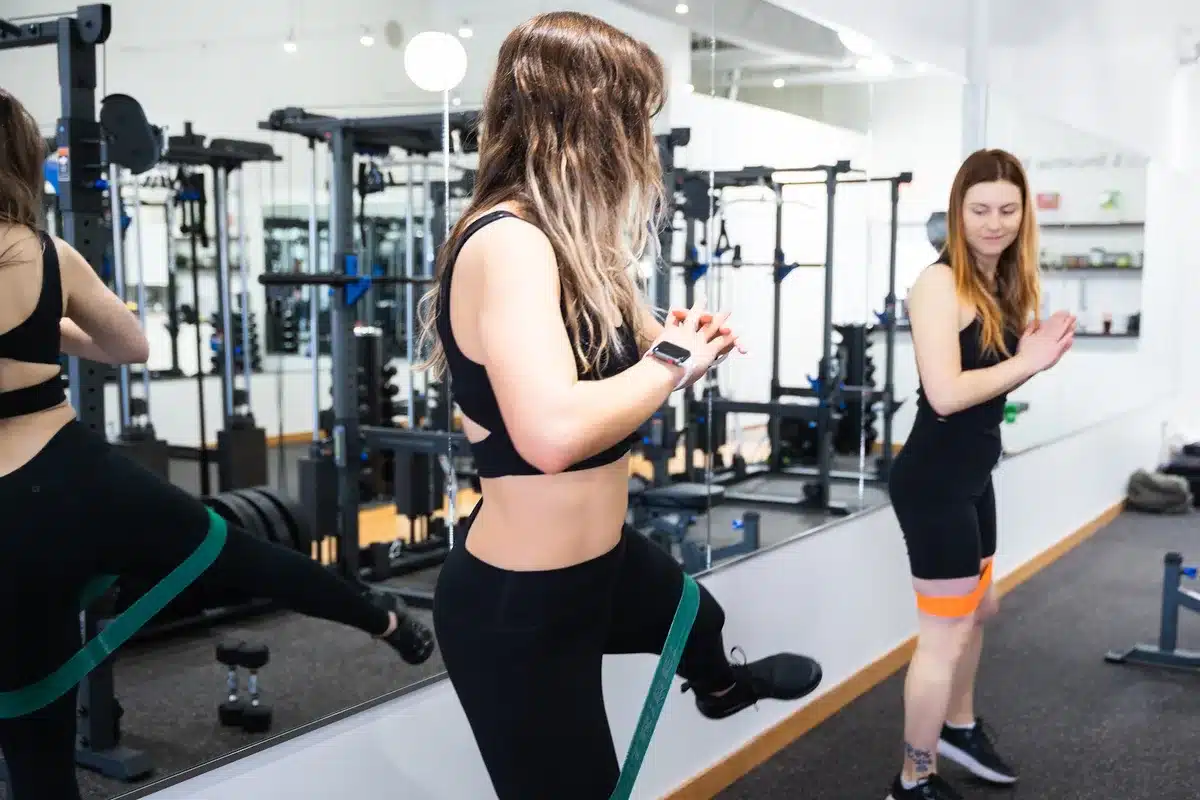
Foundational movements for adults with chronic pain typically include quadruped breathing and core activation, dead bug progressions, glute bridges and single-leg variations, goblet squats with controlled tempo, hip hinge patterns from the Romanian deadlift to the kettlebell swing, and horizontal pull variations like cable rows and band pull-aparts. Each pattern is chosen because it builds the specific strength and coordination that reduces mechanical stress on symptomatic joints. Load, range of motion, and tempo are adjusted individually based on what the assessment revealed. Adults seeking low impact strength training for joint health over 50 in Asheville will recognize many of these same principles at work in a well-designed program.
How quickly do clients with chronic pain typically notice changes?
Many adults with chronic mechanical pain report noticeable improvement in daily comfort within the first several weeks of consistent functional training. Structural changes in muscle mass and movement mechanics take longer, but the subjective sense of moving more easily often arrives well before objective measurements confirm the shift. Managing expectations honestly at the outset is part of responsible coaching, and many clients find that the confidence gained from early improvement sustains motivation through the longer adaptation phase. Occupational health organizations broadly recognize the role of proper movement and strength in reducing workplace injury risk over time.





Returning to Exercise After Heart Procedure in Asheville NC
Key Takeaways Adults who have received physician clearance after a cardiac event or procedure need a structured, monitored re-entry into
Luxury Personal Trainer Asheville NC: High-Touch Fitness Coaching
Key Takeaways A luxury personal trainer in Asheville NC delivers a fundamentally different experience from a standard gym membership: individualized
Functional Movement Training Asheville NC: Move Better, Live Longer
Key Takeaways Functional movement training focuses on the patterns your body uses every day, such as bending, reaching, carrying, and