

Key Takeaways
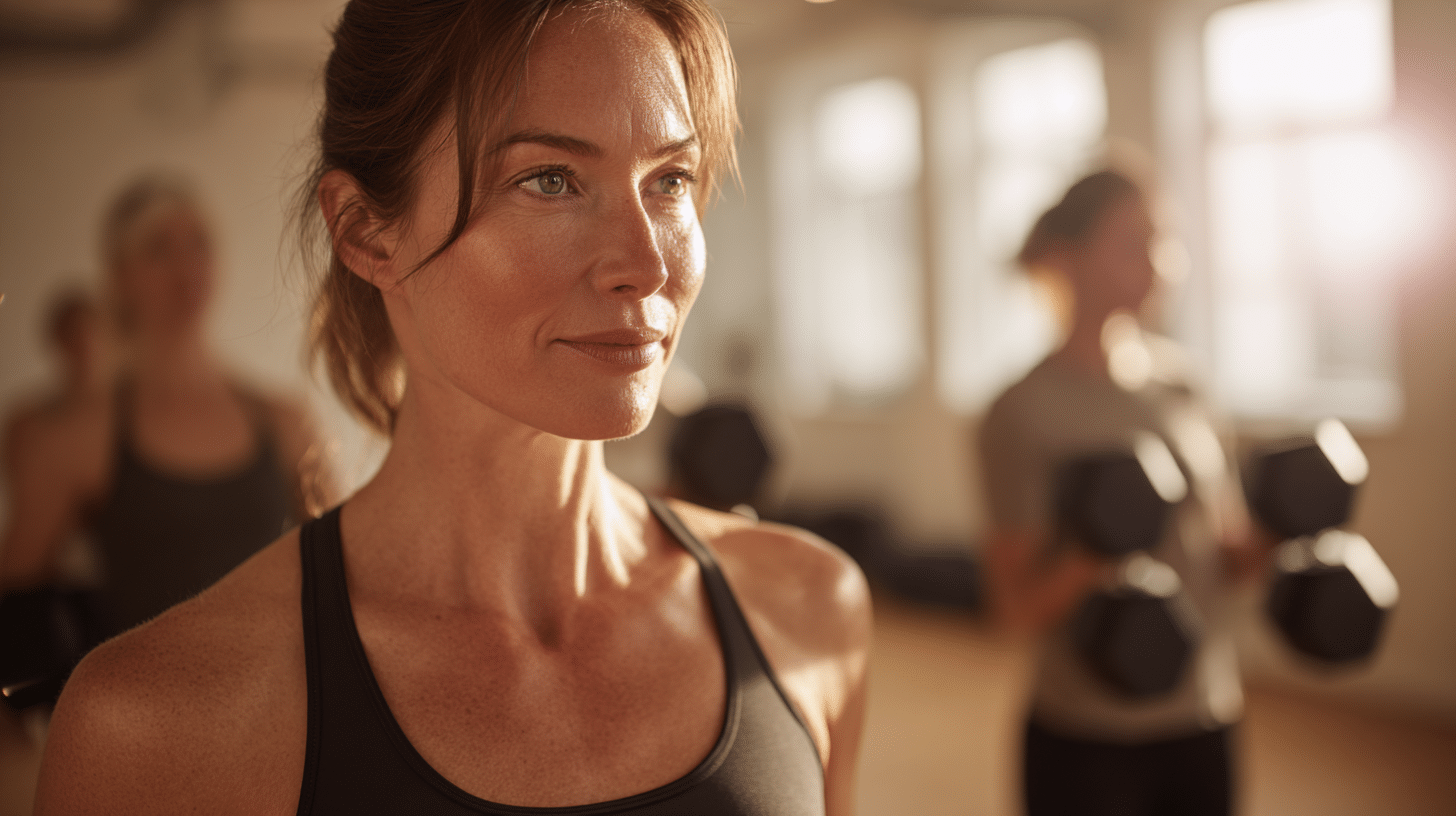
Women-only fitness spaces provide judgment-free environments where you can focus on your health goals without feeling watched or intimidated by mixed-gender gym dynamics.
- Semi-private training offers the benefits of women-only spaces with expert guidance
- Recovery after medical treatments requires specialized attention and understanding
- Strength training over 40 becomes more effective in supportive environments
- Mental health benefits multiply when you feel genuinely comfortable exercising
- Small group settings create accountability without overwhelming social pressure
Why Women Seek Female-Focused Fitness Environments
The search for women-only gyms reflects a deeper need for comfortable, supportive fitness environments. Many women have experienced the discomfort of feeling watched, judged, or intimidated in traditional gym settings. Whether it’s recovering from surgery, rebuilding strength after 40, or simply wanting to exercise without self-consciousness, women deserve spaces where they can focus entirely on their health goals.
This desire intensifies for women dealing with specific health challenges. Post-surgery recovery, hormone changes, or conditions requiring modified exercises all benefit from understanding, patient guidance. According to the American College of Sports Medicine, women over 40 face unique physiological changes that require specialized exercise approaches, making supportive environments even more crucial.
The Power of Semi-Private Training for Women
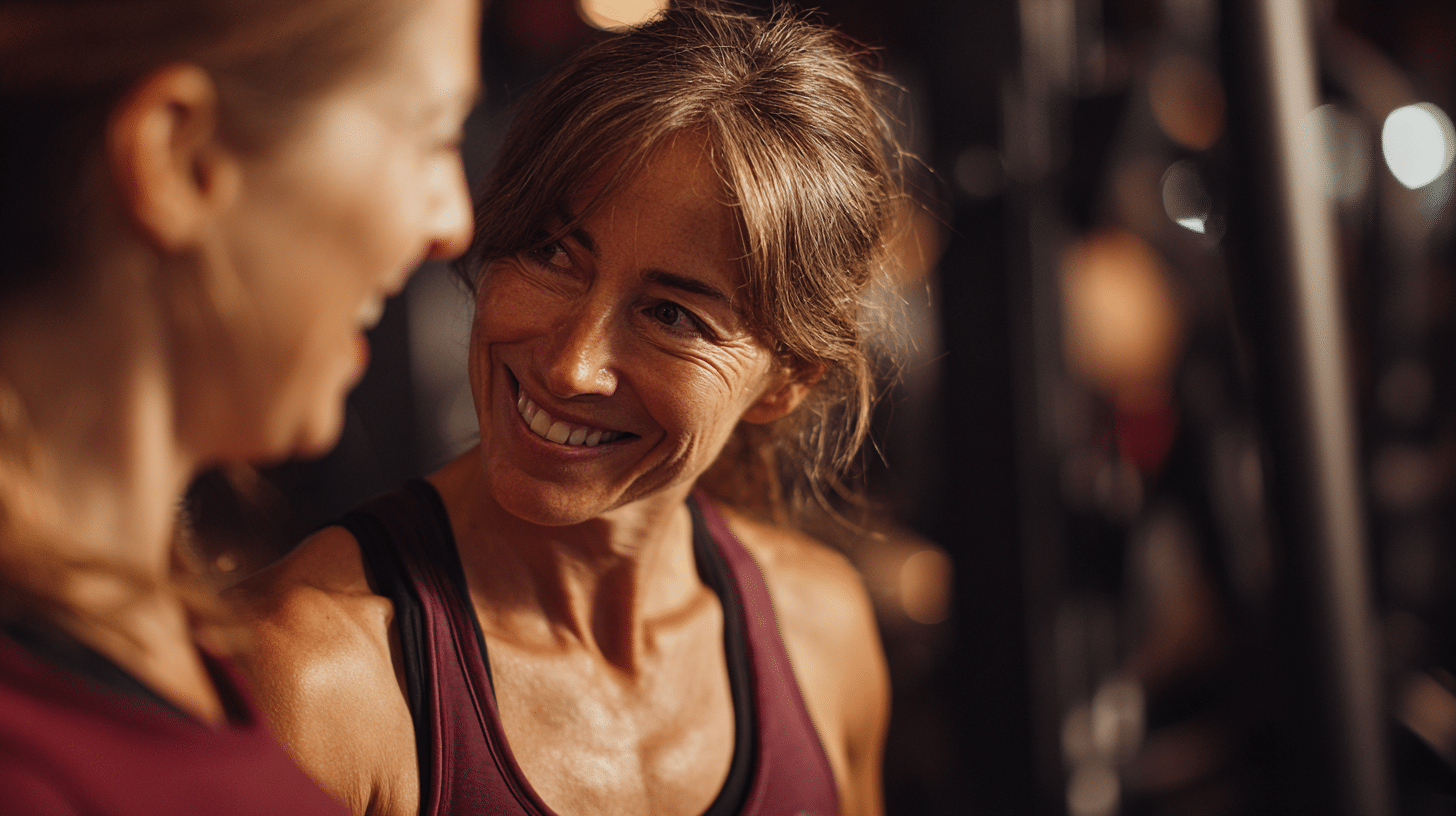
While dedicated women-only gyms are rare in many areas, semi-private training offers similar benefits with added advantages. Small group sessions naturally create female-friendly environments when designed thoughtfully. You work alongside one or two other women with similar goals, guided by trainers who understand the specific challenges women face at different life stages.
This approach proves especially valuable for women dealing with post-cancer recovery. Research from the Journal of Cancer Survivorship shows that supervised, small-group exercise programs significantly improve both physical recovery and emotional well-being. The specialized approach needed for exercise after breast cancer treatment requires trainers who understand medical considerations while creating emotionally safe spaces.
Benefits Beyond the Physical
Semi-private training addresses the mental health component often overlooked in traditional gym settings. Women frequently report feeling more confident to ask questions, request modifications, or discuss concerns about their bodies when in smaller, supportive groups. This psychological safety directly impacts exercise consistency and long-term success, particularly when addressing exercise for anxiety and depression over 40.
Addressing Unique Health Needs in Supportive Settings
Women over 40 face distinct physiological changes that benefit from understanding, specialized attention. Hormonal shifts affect everything from sleep patterns to muscle recovery. The connection between sleep and strength training over 40 becomes particularly important for women navigating perimenopause and menopause.
Nutritional needs also shift significantly. According to the International Society of Sports Nutrition, protein requirements increase for women over 40, especially those engaging in strength training. Understanding proper protein intake for adults over 40 becomes crucial for maintaining muscle mass and supporting recovery.
Mental Health and Exercise Integration
The psychological benefits of exercise multiply when women feel truly comfortable in their fitness environment. Studies published by the National Institutes of Health demonstrate that women experience greater stress reduction and mood improvement when exercising in supportive, non-judgmental settings. This enhanced benefit extends to how fitness environments impact overall well-being and consistency. Additional insights on functional fitness after 50 show how supportive training improves daily life quality.
Creating Community Without Overwhelming Social Pressure
Many women seek female-focused fitness options not just for comfort, but for genuine community. Large group fitness classes can feel overwhelming or competitive, while solo workouts lack social support. Small group training strikes an ideal balance, creating connections without the pressure of performing for crowds.
These smaller settings allow for authentic conversations about health challenges, family responsibilities, and life transitions that affect fitness goals. Women supporting other women through similar experiences creates powerful motivation that extends far beyond individual workout sessions. For parents managing busy schedules, summer personal training solutions provide structured support during transitional periods.
Flexibility for Real Life
Women-focused fitness environments understand that life doesn’t stop for workout schedules. Whether managing elderly parents, dealing with teenage schedules, or handling unexpected health issues, supportive trainers work with your reality rather than against it. This flexibility proves essential for maintaining long-term fitness habits. The importance of rest days after 45 is better understood in these supportive settings.
Frequently Asked Questions
Are women-only gyms really necessary for effective workouts?
While not necessary for everyone, many women find they exercise more consistently and comfortably in female-focused environments. The key is finding settings where you feel supported and can focus entirely on your health goals without distractions or discomfort.
How do semi-private sessions compare to women-only group classes?
Semi-private training offers more personalized attention than large group classes while maintaining the supportive atmosphere women seek. You receive modifications specific to your needs while benefiting from the motivation of working alongside others with similar goals.
What should I look for in a female-friendly fitness environment?
Seek spaces with understanding trainers who address women’s specific needs, small group sizes that allow for personal attention, and environments where you feel comfortable asking questions or requesting modifications without judgment. Learning about quality small group personal training helps in your selection process.
Can semi-private training address specific women’s health issues?
Yes, properly trained professionals can design programs for post-surgery recovery, hormone-related changes, osteoporosis prevention, and other health concerns common in women over 40. The key is finding trainers with relevant expertise and medical understanding.
How important is trainer gender in women-focused fitness?
Trainer gender matters less than expertise, understanding, and ability to create supportive environments. The most important factors are knowledge of women’s health issues and commitment to providing judgment-free, encouraging guidance.
What if I’m intimidated by any group exercise setting?
Start with semi-private sessions where you work with just one or two other people. This allows you to build confidence gradually while receiving personalized attention. Many women find this approach less intimidating than larger classes or working out alone.







Marilyn’s Story: At 82, She Joined PEAKFIT to Lift Her Own Carry-On
Arden’s Only Private Personal Training Studio for Adults 40+ Marilyn had a very specific goal when she walked into PEAKFIT
Antioxidants and Exercise: Why Adults Over 40 Need More (and Where to Get Them)
Arden’s Only Private Personal Training Studio for Adults 40+ Every time you exercise, your body produces free radicals — unstable
Asheville Mountain Lifestyle Fitness That Supports Your Adventures
Key Takeaways Living an active mountain lifestyle in Asheville means your fitness needs to keep up with you, not the