

Key Takeaways
Strength training during menopause helps preserve bone density, maintain muscle mass, and stabilize metabolism while reducing the severity of common symptoms like hot flashes and mood swings.
- Resistance training counteracts the natural muscle loss that accelerates during menopause
- Weight-bearing exercises help maintain bone density as estrogen levels decline
- Progressive strength training improves insulin sensitivity and metabolic health
- Regular resistance work can reduce the frequency and intensity of hot flashes
- Proper programming prevents injury while maximizing benefits for changing bodies
Why Your Body Needs Different Support During Menopause
The hormonal shifts that occur during menopause create a perfect storm for muscle loss, bone density decline, and metabolic changes. Many women over 40 in this region find themselves frustrated when their usual exercise routine stops working. Walking more and doing cardio feels like pushing against a wall. The truth is, your body requires a different approach during this transition, and strength training becomes more critical than ever.
Estrogen plays a key role in maintaining muscle mass and bone strength. According to the North American Menopause Society, women can lose up to 20% of their bone density in the first five to seven years after menopause. This dramatic change means that the gentle fitness routines that worked in your thirties and early forties may no longer provide adequate stimulus to maintain your health and independence as you age.
The Science Behind Strength Training and Hormonal Changes
Research consistently shows that resistance training provides unique benefits during menopause that cardio alone cannot deliver. A study published in the Journal of Clinical Medicine found that postmenopausal women who participated in progressive resistance training maintained significantly more muscle mass and bone density compared to those who only performed aerobic exercise.
Dr. Miriam Nelson, director of the John Hancock Center for Physical Activity and Nutrition at Tufts University, states: “Strength training is the closest thing we have to a fountain of youth. For women going through menopause, it’s not just beneficial—it’s essential for maintaining independence and quality of life.”
The metabolic benefits extend beyond muscle preservation. According to research from the National Institutes of Health, strength training helps improve insulin sensitivity, which often becomes impaired during menopause. This improved metabolic function helps combat the weight gain that many women experience during this transition, particularly the stubborn abdominal fat that seems to appear regardless of diet efforts. Understanding proper nutrition timing can further enhance these metabolic benefits.
Addressing Common Concerns and Misconceptions
Many women worry that strength training will make them bulky or that they’ve waited too long to start. These concerns often stem from outdated information or intimidating experiences at crowded commercial gyms. The reality is quite different. Women lack the testosterone levels necessary to build large muscles, and starting strength training at any age provides significant benefits.
Joint Health and Injury Prevention
Properly designed strength training actually protects joints rather than damaging them. According to the NIH, resistance exercises strengthen the muscles around joints, providing better support and reducing the risk of falls and fractures. This becomes increasingly important as bone density naturally declines during menopause, which is why corrective exercise assessment should be part of any program.
Hot Flashes and Sleep Quality
Emerging research suggests that regular strength training may help reduce the frequency and intensity of hot flashes. A study in Menopause journal found that women who engaged in resistance training reported better sleep quality and fewer nighttime disruptions compared to sedentary controls.
Creating an Effective Strength Training Approach
The key to successful strength training during menopause lies in proper progression and individualized programming. Unlike the one-size-fits-all approach common in big box gyms, effective training for women during this life stage requires careful attention to recovery, joint health, and gradual progression.
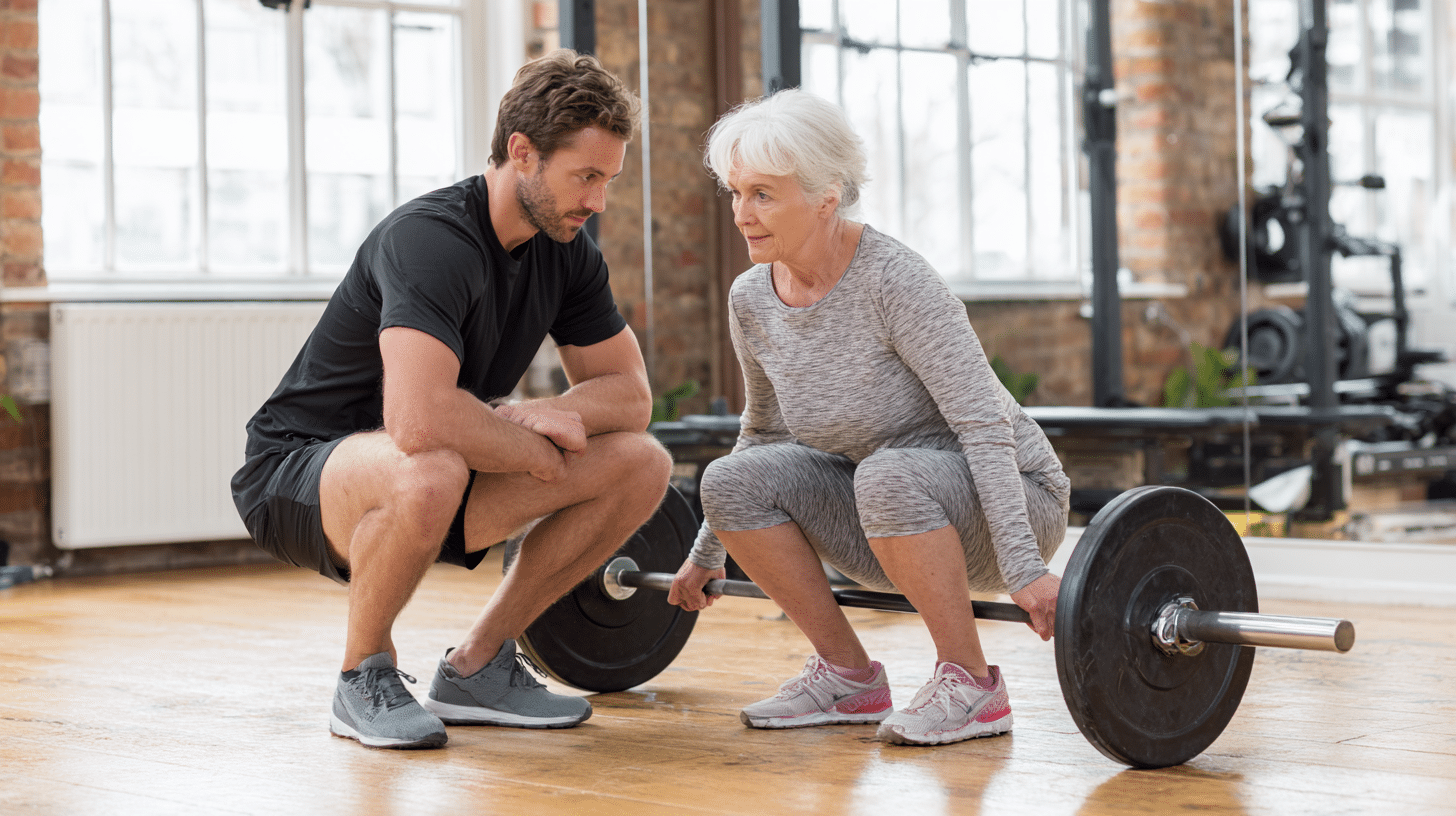
Focus should be placed on compound movements that work multiple muscle groups simultaneously. Exercises like squats, deadlifts, and pushing and pulling movements provide the most benefit for time invested. According to the Centers for Disease Control and Prevention, these functional movements also translate directly to daily activities, helping maintain independence and confidence in everyday tasks. For many women, small group training provides the perfect balance of personalized attention and supportive community.
Recovery and Adaptation
Recovery becomes more important as we age, and hormonal changes during menopause can affect how quickly your body adapts to exercise stress. This doesn’t mean training less intensely, but rather being more strategic about rest periods, sleep quality, and stress management. Professional guidance helps ensure your program supports rather than overwhelms your body’s natural healing processes, which is why understanding the signs of underrecovery is crucial.
Frequently Asked Questions
How often should I strength train during menopause?
Most experts recommend 2-3 strength training sessions per week with at least one day of rest between sessions. This frequency allows adequate recovery while providing enough stimulus to maintain and build muscle mass.
Is it safe to start strength training if I’ve never done it before?
Yes, it’s safe to start strength training at any age when done properly. Beginning with bodyweight exercises or light weights and focusing on proper form reduces injury risk while building confidence. Personal training for beginners can provide the guidance needed to start safely.
Will strength training help with weight management during menopause?
Strength training helps maintain muscle mass, which keeps your metabolism higher. While the scale may not always reflect changes, body composition typically improves with consistent resistance training.
Can strength training help with bone density loss?
According to research on osteoporosis, weight-bearing and resistance exercises are among the most effective ways to maintain and even increase bone density during and after menopause.
What if I have joint pain or previous injuries?
A qualified trainer can modify exercises to work around limitations while still providing effective strengthening. Many joint issues actually improve with appropriate strength training that addresses muscle imbalances.
How long before I see results from strength training?
Most people notice improvements in strength and energy within 4-6 weeks. Changes in body composition and bone density take longer, typically becoming apparent after 3-6 months of consistent training.
Should I avoid certain exercises during menopause?
Rather than avoiding exercises, focus on proper form and appropriate progression. High-impact activities may need modification if you have joint concerns, but most movements can be adapted safely.
Get Professional Support for Your Health Journey
Navigating strength training during menopause doesn’t have to feel overwhelming or intimidating. Working with experienced professionals who understand the unique challenges of this life stage makes all the difference in your success and safety. Waiting to address muscle loss and bone density decline only makes the journey back to strength more difficult. If you’re ready to invest in your long-term health and independence with a personalized approach that respects your experience and goals, Book Your Free Consultation — peakfit.studio/free-consultation/ or call (828) 620-7020.







Marilyn’s Story: At 82, She Joined PEAKFIT to Lift Her Own Carry-On
Arden’s Only Private Personal Training Studio for Adults 40+ Marilyn had a very specific goal when she walked into PEAKFIT
Antioxidants and Exercise: Why Adults Over 40 Need More (and Where to Get Them)
Arden’s Only Private Personal Training Studio for Adults 40+ Every time you exercise, your body produces free radicals — unstable
Asheville Mountain Lifestyle Fitness That Supports Your Adventures
Key Takeaways Living an active mountain lifestyle in Asheville means your fitness needs to keep up with you, not the