
Key Takeaways
- Personal training is designed for beginners — the assessment and program design process exists specifically to meet you where you are
- Most first-time clients see measurable strength and energy improvements within the first four weeks
- The biggest barrier to starting is rarely physical — it’s the fear of not knowing what to do or looking out of place
- A well-run intro program builds exercise habits, teaches movement fundamentals, and produces early wins that keep you coming back
- PEAKFIT Studio’s intro package includes three sessions plus a free InBody scan, giving you everything you need to start with clarity
Nobody walks into their first personal training session already knowing what to do. That’s the point. If you already knew, you wouldn’t need a trainer. Most people who hesitate to start don’t lack motivation — they lack a clear starting point. That’s exactly what a good introductory personal training program provides.
The Biggest Fears Beginners Have (And Why They Don’t Pan Out)
The three fears that come up most often: being judged for current fitness level, not being able to keep up, and getting hurt. All three are understandable. None of them hold up in a well-run private training studio.
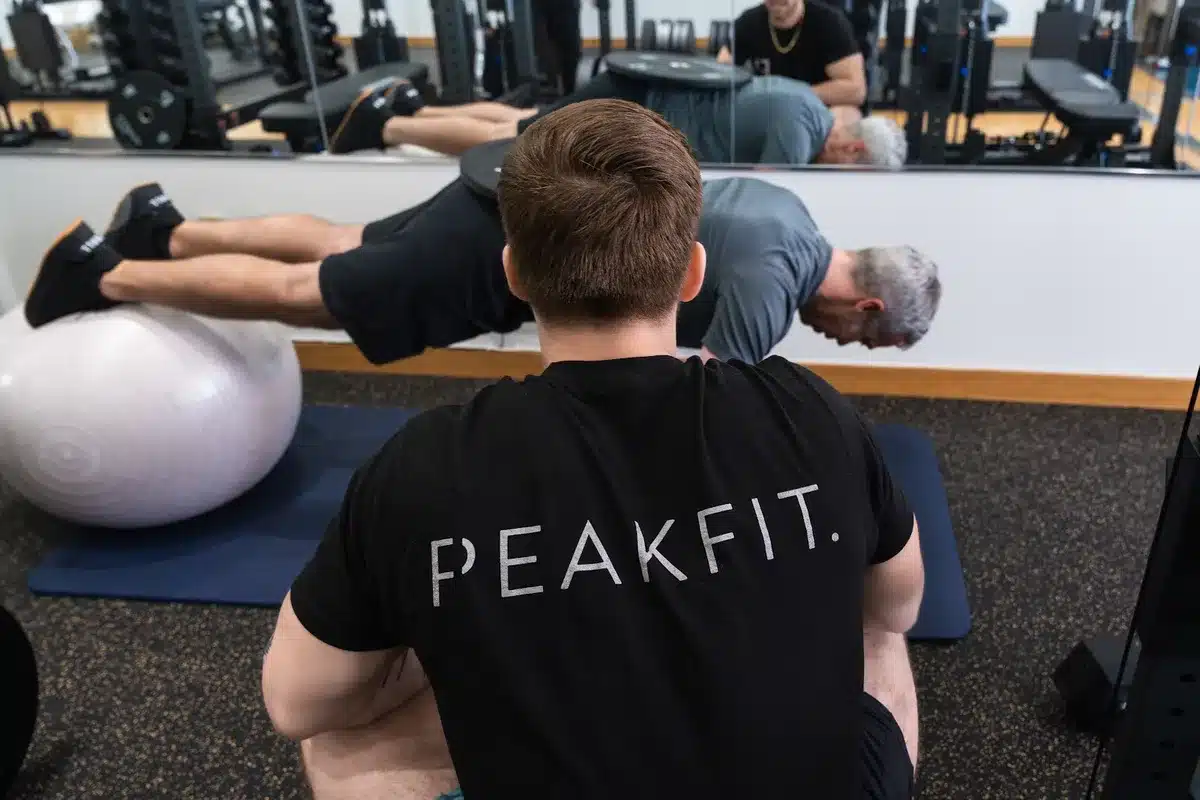
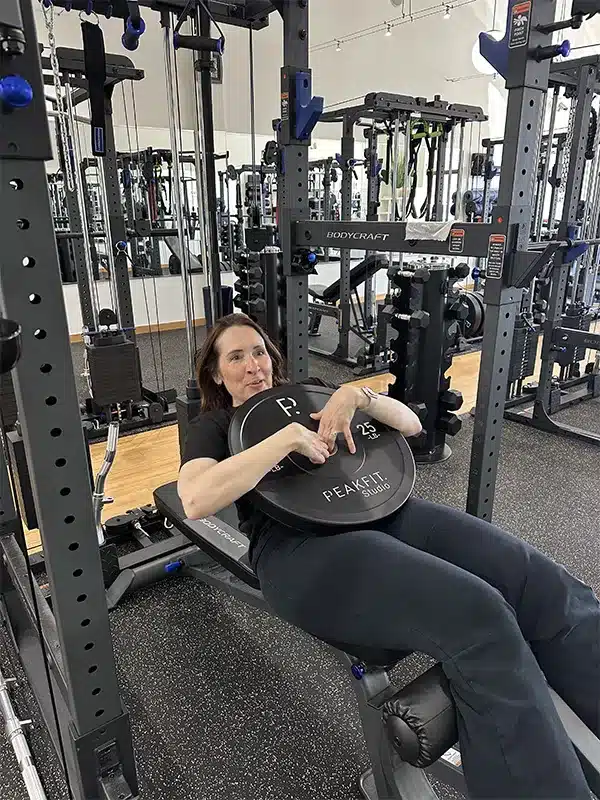
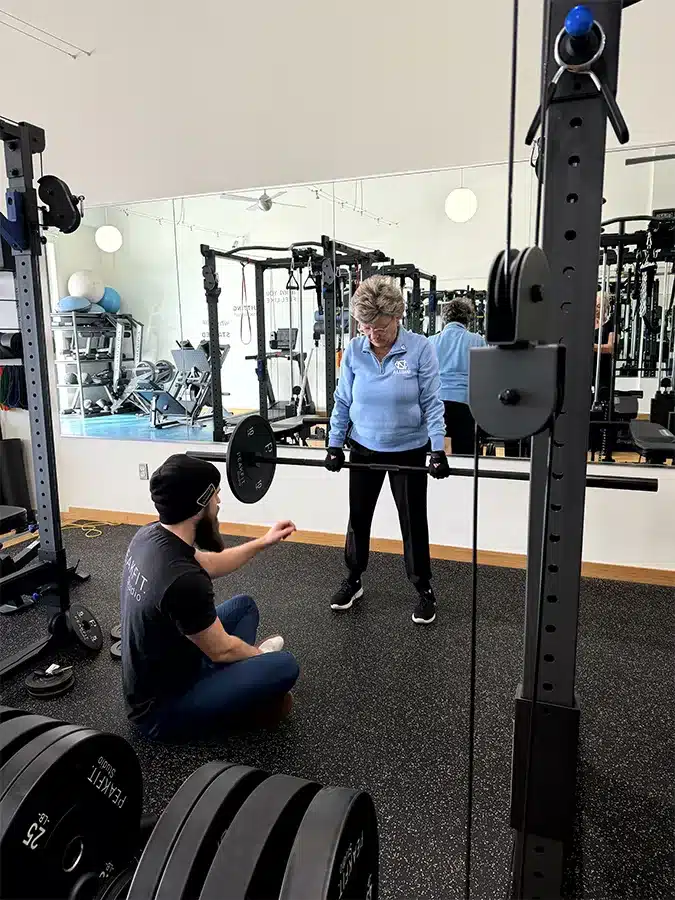
At PEAKFIT Studio in Arden, the environment is intentionally private. There are no crowded floors, no strangers watching, and no comparison to anyone else’s workout. Every program is built around where you are right now, not where you think you should be. If a movement is too difficult at full range, the trainer modifies it. If the load is too heavy, it drops. The goal in the first few weeks is to learn movement patterns and build a consistent habit, not to set any records.
Research from the National Strength and Conditioning Association (NSCA) consistently shows that beginners who start with qualified supervision progress faster and experience fewer setbacks than those who attempt self-directed training from the outset. That’s not a sales pitch — it’s a pattern that shows up across study after study.
What Happens in Your First 4 Weeks
Week one is almost entirely about assessment and learning. Your trainer gathers your health history, watches how you move, and identifies any areas that need extra attention before building intensity. The workouts are intentionally manageable. The goal is to finish each session feeling like you did something meaningful without feeling demolished.
Weeks two and three introduce progressive loading. Your trainer adds challenge in small, controlled increments — more reps, slightly more weight, or a more advanced variation of a movement you’ve already learned. According to the ACSM, even three weeks of consistent resistance training produces measurable improvements in neuromuscular coordination in previously sedentary adults, which is why many beginners notice better balance and body awareness before they notice any visible physical change.
By week four, most beginners notice something shift. Sleep improves. Energy levels during the day pick up. The workouts that felt challenging in week one feel manageable. That’s real progress, and it’s the foundation everything else builds on.
Anyone curious about what this process looks like in practice can read more on the personal training advantage at PEAKFIT.
How to Talk to Your Trainer About Your Limitations
This is where a lot of beginners hold back, and it costs them. Your trainer needs to know about past injuries, current pain, surgeries, chronic conditions, and anything else that affects how your body moves. That information doesn’t disqualify you from training — it shapes the program so training is actually safe for you.
Be specific. Don’t just say “my knee bothers me sometimes.” Tell your trainer which knee, what makes it worse, and what the doctor said if you’ve seen one. The more context your trainer has, the better they can design around your actual situation rather than a generic version of it.
You can also express preferences. If you hate a particular exercise or a movement pattern makes you anxious, say so. A good trainer will either modify the approach or explain why that specific movement matters for your goals. Either way, the conversation makes the program better.
What Beginners Gain Fastest
Strength is the most talked-about benefit, but it’s not actually what most beginners experience first. The early wins are usually better posture, improved sleep, more consistent energy, and a noticeable reduction in everyday aches that most people had just accepted as normal.
Visible changes to body composition typically take six to twelve weeks of consistent training and aligned nutrition. But the functional improvements — feeling better, moving better, having more energy — start much sooner. Those early wins are what turn a three-session intro package into a twelve-month commitment.
The PEAKFIT programs page outlines both one-on-one and small group training options for beginners. Small group sessions are a popular starting point for people who want the accountability of a coach with the added energy of training alongside others.
Frequently Asked Questions

Do I need to be in shape before starting personal training? No. Personal training exists specifically to help you get in shape. There is no prerequisite fitness level. Trainers work with complete beginners, people returning after years off, and people managing health conditions every day.
How many times per week should a beginner train? Two sessions per week is a solid starting point for most beginners. That frequency allows for adequate recovery between sessions while building enough consistency to form a habit. Many clients increase to three sessions per week within the first few months as their fitness improves.
Will I be sore after my first session? Mild muscle soreness in the 24 to 48 hours after a first session is common and expected. A good trainer will keep intensity appropriate to your current level so the soreness is manageable, not debilitating. Light movement and adequate hydration help it resolve faster.
What if I miss a session? Life happens. One missed session doesn’t derail a program. The key is consistency over time, not perfection. Talk to your trainer if scheduling becomes a repeated challenge — they can often adjust session timing to better fit your life.
Is personal training worth the investment for someone just starting out? The research says yes. Beginners who start with proper coaching build better movement habits, progress faster, and are less likely to get injured than those who figure it out on their own. The investment pays off in fewer setbacks and more sustainable long-term results.
Starting strong sets the tone for everything that follows. PEAKFIT Studio’s intro package includes three personal training sessions and a complimentary InBody body composition scan for new clients in Arden, South Asheville, Hendersonville, and Fletcher. Schedule your free consultation today.
PEAKFIT Studio 100 Julian Ln, Suite 120 | Arden, NC 28704 (828) 620-7020 | hello@peakfit.studio





Luxury Personal Trainer Asheville NC: High-Touch Fitness Coaching
Key Takeaways A luxury personal trainer in Asheville NC delivers a fundamentally different experience from a standard gym membership: individualized
Functional Movement Training Asheville NC: Move Better, Live Longer
Key Takeaways Functional movement training focuses on the patterns your body uses every day, such as bending, reaching, carrying, and
Senior Fitness Training Asheville NC for Adults 60 and Up
Key Takeaways Senior fitness training in Asheville NC addresses the specific physical changes that come with aging, including muscle loss,