


Summer training falls apart for parents not because of motivation but because of logistics. The schedule that worked during the school year unravels. The kids are home. The mornings are different. The weekly rhythm flips. Without a deliberate plan, the personal training program you started in June quietly becomes a 6-week experiment that ended in July. Here is how to keep it on the rails.
The summer schedule problem
The fall-winter-spring rhythm has structural anchors: bus pickup time, work start time, dinner before homework, kids’ bedtime. Summer removes those anchors. Mornings can stretch. Bedtime drifts. Days feel longer and shorter at the same time. Without intentional structure, the gym becomes the easiest thing to skip.
Step 1: Anchor the training time first
Before the summer schedule fills in, lock the training time. Make it a calendar entry. Not “most mornings” or “when I can” — specific days, specific times, written in the family schedule the way kids’ activities are written.
If your sessions are Tuesday/Thursday 7am and Saturday 9am, that goes on the calendar before the camp schedule, before the summer pool day, before the Friday-night dinner plans. The training time becomes the first thing scheduled, not the last.
Step 2: Pre-empt the kid-care logistics
Decide before summer begins how the kid-care will work during your training hour. Common solutions for Asheville-area parents:
- Partner trade-off: You train Tuesday morning, partner trains Thursday morning. Each covers the other’s kid-care hour.
- Early morning before anyone is up: 6am sessions before the household wakes.
- Camp drop-off bookends: Sessions immediately after morning camp drop-off if camp starts by 8 or 9am.
- Trusted teen at home: For kids 10+, an hour with a phone and a snack often works.
- Babysitter on a fixed schedule: Hiring a sitter for one or two specific training mornings per week.
Step 3: Build the training into shared family rhythms
Some Asheville parents find that linking training to existing family activities works better than trying to defend separate gym time. Examples:
- Saturday morning training during the kids’ weekly sports practice
- Friday morning sessions while the spouse takes kids to the farmer’s market
- Pre-pool training: a morning session ending right when the family pool day starts
Step 4: Treat travel weeks as planned interruptions, not failures
You will have a vacation week. You will have a family trip. You will have grandparents visiting. None of these need to derail the program if you plan for them in advance.
The rule: every travel week, do something. Two bodyweight strength sessions while away maintains 80–90% of your strength. A 30-minute hotel-gym session is more than enough. A walking-heavy active vacation actually adds value to your program. The disaster is six days of zero movement and then trying to pick up where you left off.
Step 5: Communicate the schedule clearly to your kids
This sounds soft. It is not. Kids old enough to understand can be told: “Mom/Dad goes to the gym on Tuesday, Thursday, and Saturday mornings. That is what mornings on those days look like for me. The rest of the day we do family stuff.” Younger kids learn the rhythm faster than older ones, but all kids respond to predictability. Within 2–3 weeks, the schedule is normalized.
Step 6: Use the small group format intentionally
Solo gym time gets skipped. Small group personal training sessions get skipped much less. The structure of a scheduled session with a coach and 4–6 other clients creates the accountability that solo gym time can’t generate. Parents we work with at PEAKFIT consistently report that the format is what kept them training through summer when prior solo attempts failed.
Step 7: Adjust intensity for the season
Summer is hot, kids are loud, and recovery is harder. Three quality strength sessions a week is the right target. Don’t try to add daily cardio, daily yoga, and intensive nutrition tracking on top — one or two priorities done well beats five priorities done partially. For most parents, sleep and protein are the two non-training priorities that move the needle.
What success looks like in September
The parents who keep training through summer arrive at the first day of school stronger, leaner, and meaningfully more capable than they were in June. The parents who stop in June arrive at September three months behind. The difference between the two groups is rarely motivation. It is whether they treated summer logistics as a problem to solve in advance, or hoped it would work itself out.
If you are about to enter summer with kids at home and want a personal training program that survives the season, book a free consultation at PEAKFIT in Arden. We will help you build a schedule that fits your summer, not a generic plan that breaks the first time camp gets canceled.





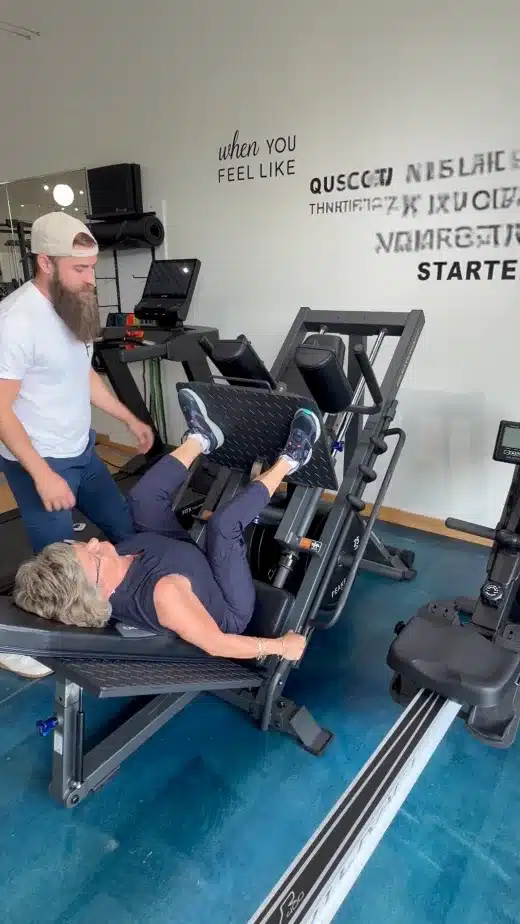


Marilyn’s Story: At 82, She Joined PEAKFIT to Lift Her Own Carry-On
Arden’s Only Private Personal Training Studio for Adults 40+ Marilyn had a very specific goal when she walked into PEAKFIT
Antioxidants and Exercise: Why Adults Over 40 Need More (and Where to Get Them)
Arden’s Only Private Personal Training Studio for Adults 40+ Every time you exercise, your body produces free radicals — unstable
Asheville Mountain Lifestyle Fitness That Supports Your Adventures
Key Takeaways Living an active mountain lifestyle in Asheville means your fitness needs to keep up with you, not the