Starting your fitness journey can feel overwhelming, especially if you’ve never worked with a personal trainer before. The good news? Beginners often see the most dramatic improvements, and personal training is actually the safest, most effective way to get started.
Why Beginners Benefit Most from Personal Training
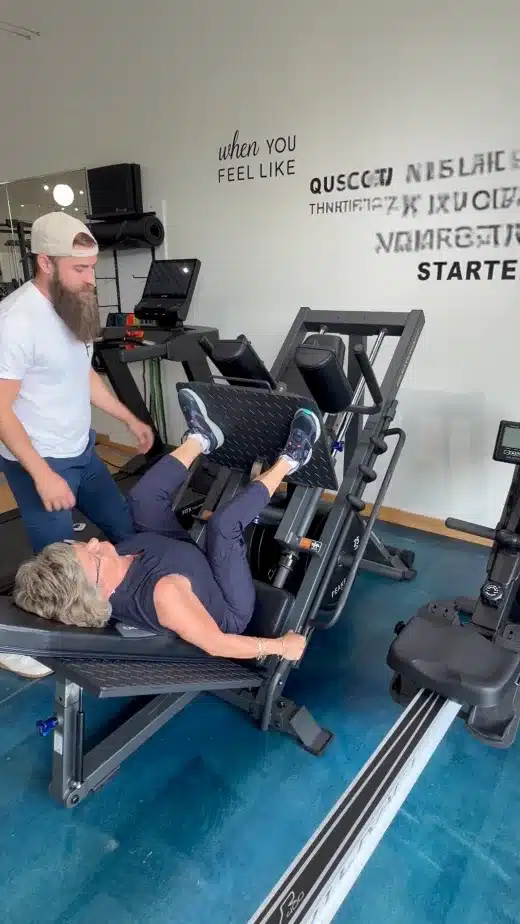
You’ll Learn Proper Form From Day One This is huge. Poor form doesn’t just limit your results—it sets you up for injury down the road. A qualified trainer will teach you the fundamentals correctly from the start, rather than having to break bad habits later.
Faster Results When you’re new to structured exercise, your body responds quickly to the right stimulus. A trainer knows exactly how to progress your workouts to keep you improving without burning you out or causing excessive soreness.
Built-in Safety Net Trainers spot potential issues before they become problems. They’ll modify exercises if something doesn’t feel right and ensure you’re not pushing too hard too fast.
What to Expect in Your First Session
The Assessment Process Your trainer will likely start by asking about your health history, past injuries, and specific goals. They might also do some basic movement screens to see how your body moves and identify any imbalances or limitations.
Don’t worry—this isn’t about testing your current fitness level or making you feel inadequate. It’s about understanding where you’re starting so they can design the best program for you.
Learning Basic Movements Your first workout will focus on fundamental movement patterns: squatting, pushing, pulling, and core stability. You’ll probably use lighter weights or just bodyweight while you learn the mechanics.
Setting Realistic Expectations A good trainer will be honest about timelines and what’s achievable. They’ll help you set short-term goals that build toward your bigger objectives.
Common Beginner Concerns (And Why They’re Normal)
“I’m Too Out of Shape” Every trainer has worked with people at all fitness levels. They’re not judging your starting point—they’re excited to help you improve from wherever you are right now.
“I Don’t Know Gym Etiquette” Your trainer will guide you through everything, from how to adjust equipment to gym courtesy. This knowledge becomes second nature pretty quickly.
“What If I Can’t Keep Up?” Personal training is exactly that—personal. Your workout is designed for your current abilities, not some arbitrary standard. You’ll never be asked to do something you’re not ready for.
Preparing for Success
Be Honest About Your Goals Whether you want to lose weight, build strength, train for an event, or just feel better in your daily life, share your real motivations. This helps your trainer design a program you’ll actually stick with.
Communicate About Injuries or Concerns Even old injuries or minor aches are worth mentioning. Trainers are skilled at working around limitations and often helping improve them over time.
Come Ready to Learn You don’t need to know anything about exercise, but come with an open mind and willingness to try new things. The learning process is part of what makes training effective.
Your First Month: What to Focus On
Consistency Over Intensity Your goal isn’t to crush every workout—it’s to show up consistently and build the habit. Most beginners do well with 2-3 sessions per week.
Learning Your Body’s Signals You’ll start recognizing the difference between good soreness (muscles adapting) and bad pain (potential injury). Your trainer will help you understand these signals.
Building Confidence Each session, you’ll get stronger and more comfortable with the movements. This confidence often carries over into other areas of life too.
Choosing the Right Trainer for You
Look for Patience and Communication Skills Technical knowledge is important, but the best beginner trainers are also great teachers who can explain things in ways that make sense to you.
Ask About Their Experience with Beginners Some trainers love working with beginners, while others prefer advanced clients. You want someone who genuinely enjoys the process of helping people get started.
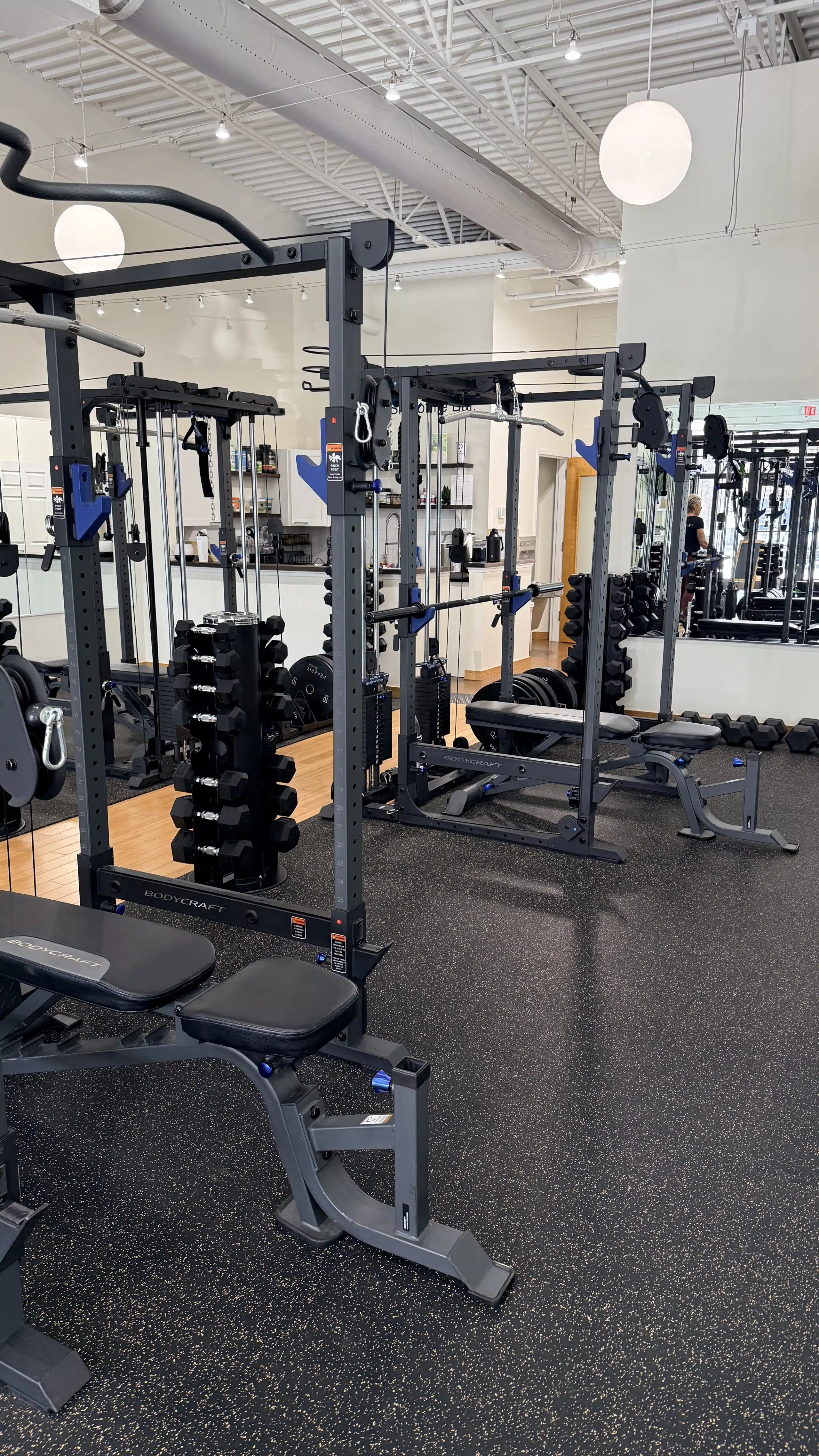
Consider the Environment Some people thrive in busy gym environments, while others prefer the privacy of a personal training studio. Think about what setting would make you feel most comfortable.
Setting Yourself Up for Long-Term Success
Focus on Building Habits The most successful clients treat their training sessions as non-negotiable appointments with themselves. Start building this mindset from day one.
Track Your Progress Your trainer will likely track your workouts, but pay attention to how you feel day-to-day. Better sleep, more energy, and improved mood are often the first signs of progress.
Be Patient with Yourself Real changes take time. Focus on the process rather than quick fixes, and celebrate small wins along the way.
Starting with a personal trainer isn’t admitting you don’t know what you’re doing—it’s the smartest way to begin a fitness journey that will actually stick. You’ll build a strong foundation, avoid common mistakes, and develop the confidence to maintain an active lifestyle for years to come.